


Wisdom teeth are far more likely to bring swelling, discomfort and dental bills than any real insight, so how did they end up with that name?
For many people, wisdom teeth are anything but helpful. Some barely notice them arriving, while others deal with aching gums, pressure, crowding and trips to the dentist.
So why are they called wisdom teeth at all, when their arrival so often means pain rather than enlightenment?

The name is thought to come from the fact that these teeth usually appear later than the rest of your adult teeth, often in the late teens or early twenties. In other words, they arrive at an age that has long been associated with maturity and, supposedly, a bit of wisdom.
According to etymologists, “wisdom tooth” is a translation of older Latin and Greek terms for the same teeth, rather than a modern joke about how painful they can be. The idea is the same: these are the last molars to emerge, so they were linked with the stage of life when a person was thought to have gained more sense.
That also explains why the name has stuck even though the teeth themselves do not usually feel especially wise. In some older traditions, the late arrival of these molars was taken as a sign of adulthood and personal development.
As for what they actually are, wisdom teeth are your third molars. Unlike the rest of your adult teeth, they usually appear much later, typically between the ages of 17 and 25, if they come through at all.
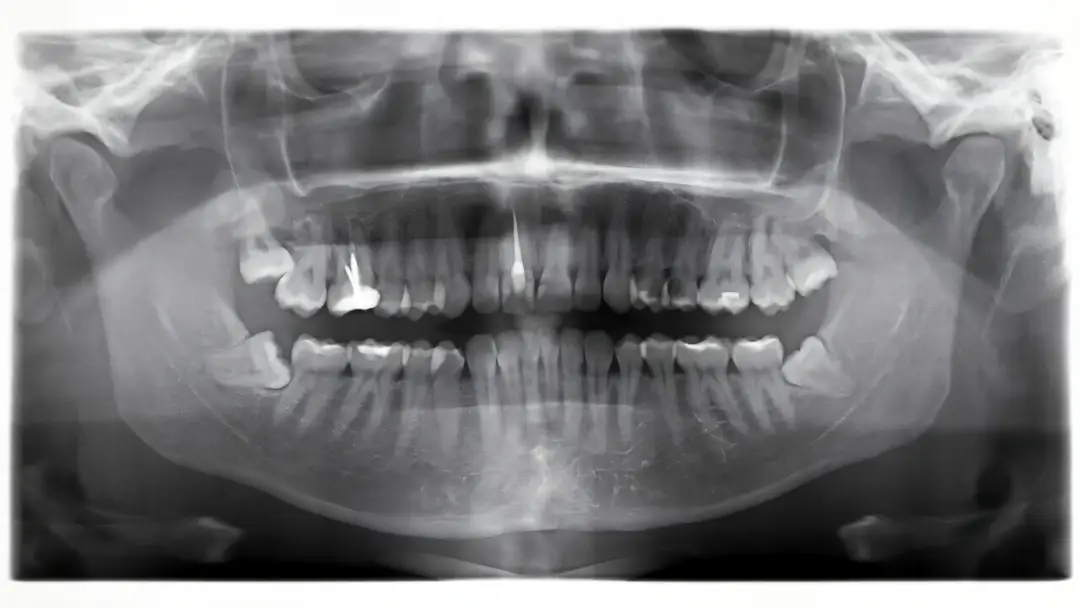
Not everyone develops wisdom teeth, and evolution is a big reason why. Early humans generally had larger jaws and ate tougher, rougher foods that needed more chewing, so extra molars were more useful.
Over time, human diets changed. Cooking, food processing and softer foods reduced the amount of chewing our jaws had to do, while human faces and jaws also became smaller. That means there is often less room for a full set of third molars, which is one reason wisdom teeth are so often impacted or absent altogether.
Even when they do appear, wisdom teeth can cause problems if they do not fully emerge or grow in the wrong position. They may trap food and bacteria, leading to pain, swelling, gum infection, decay, cysts or damage to nearby teeth.
That is why dentists usually keep an eye on them and may recommend removal only if they are causing trouble or are likely to do so. If they come through properly and stay healthy, they can sometimes be left alone.
So the “wisdom” in wisdom teeth has less to do with the tooth itself and more to do with timing. They are named for the age at which they usually arrive, not for the trouble they so often cause.
For a tooth linked to maturity, wisdom teeth have a habit of making life unnecessarily difficult.