

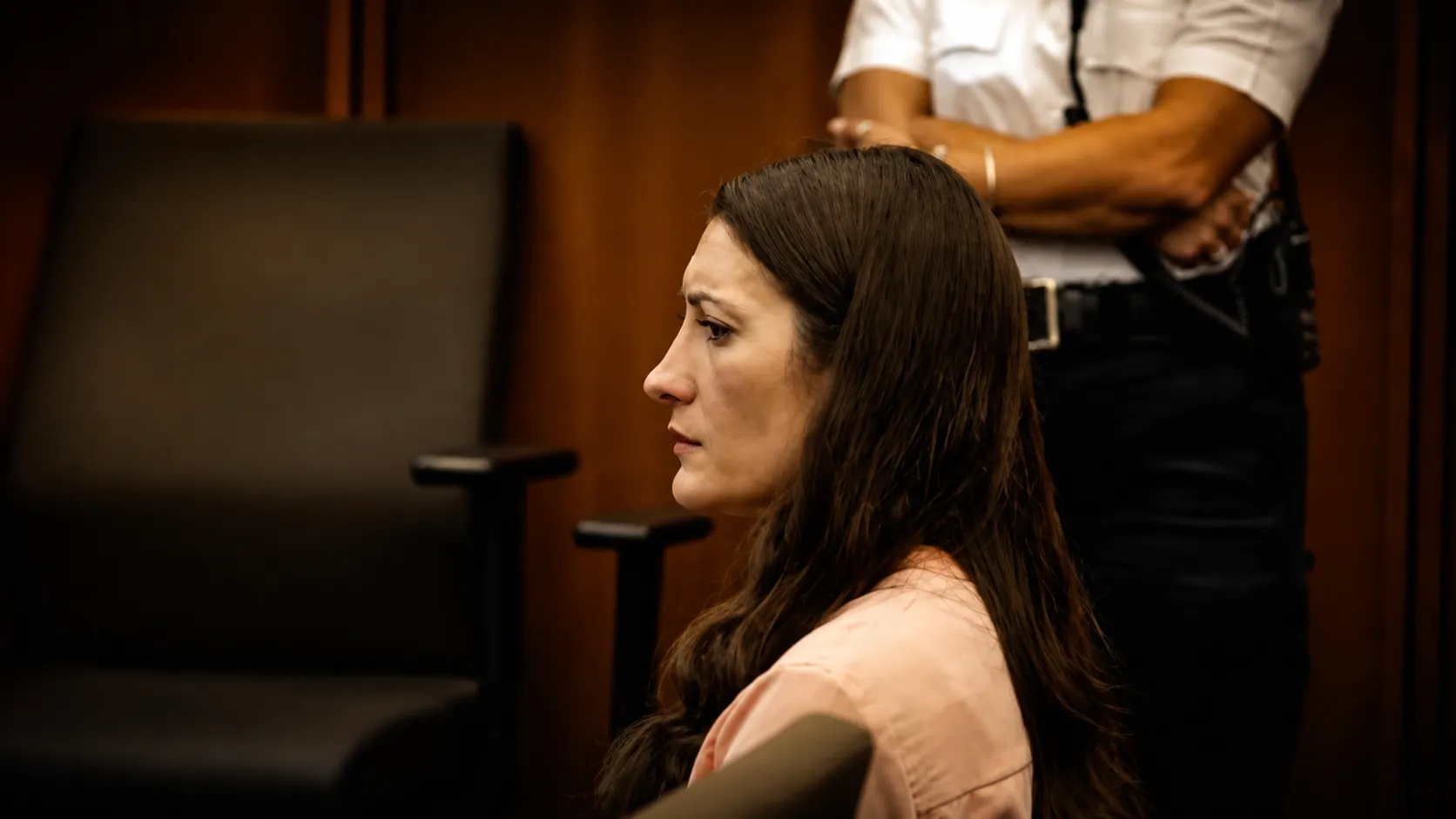
Lindsay Clancy’s murder trial is now underway in Plymouth Superior Court, but some of the most disturbing evidence in the case will not be aired or made publicly available. The 911 recording and the children’s autopsy photographs are barred from broadcast and release, even though they remain part of the trial itself.
The restriction came after a pre-trial request from Patrick Clancy, the father of Cora, 5, Dawson, 3, and 8-month-old Callan. His attorneys asked the court to stop the public circulation of material they argued would be especially traumatic.
Judge William Sullivan, who is presiding over the case, approved that request before opening statements began. He ruled that the 911 call and autopsy photographs would be impounded for the court’s viewing only.
As a result, reporters and broadcasters are not allowed to record, show, reproduce, or distribute either the emergency call or the autopsy images.
In explaining the decision, Judge Sullivan found that wider publication of the material would cause serious harm, writing “Will create a substantial likelihood of harm [to Patrick Clancy].”
Patrick Clancy was the person who found the children inside the family home in Duxbury on January 24, 2023, and he made the emergency call after the discovery while Lindsay Clancy attempted to take her own life. Court filings say he later screamed, “‘She killed the kids!’” after finding the children in the basement. Because the evidence includes both a parent’s immediate distress and graphic images involving the children, the court determined that public release could deepen the emotional damage.
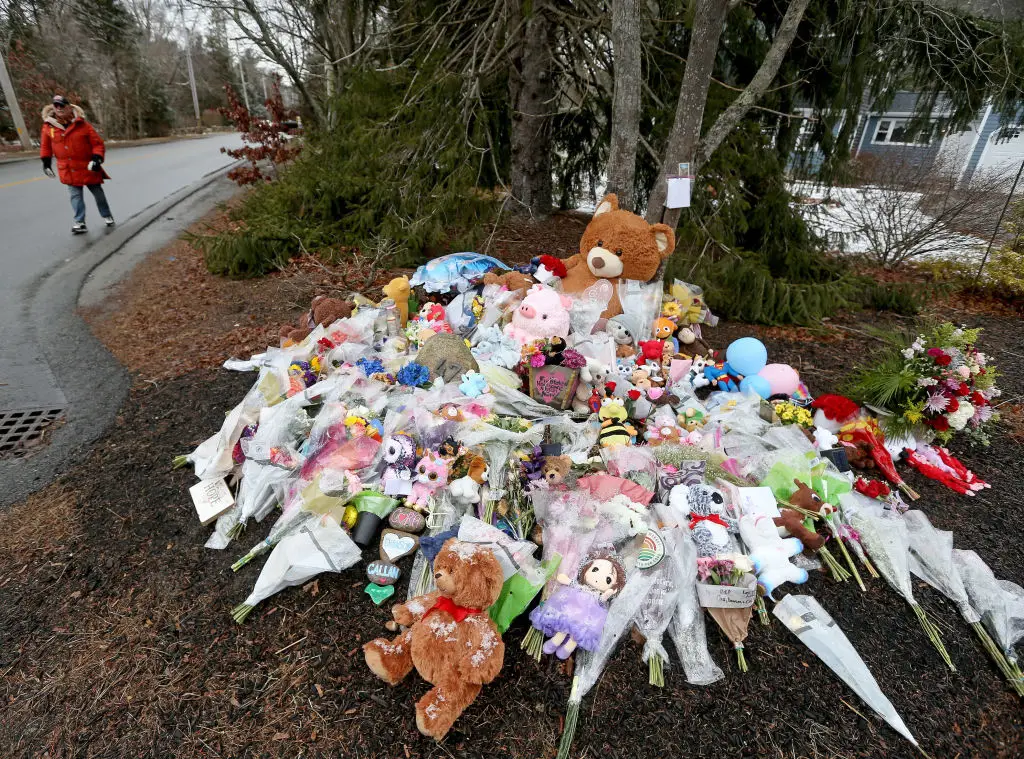
That does not mean the evidence is excluded from trial. The ruling only prevents public dissemination by the media. Inside the courtroom, jurors are still being presented with evidence the judge has ruled admissible, including the 911 audio and selected autopsy photographs, as the prosecution and defense make their cases.
The 12 jurors, along with six alternates, were seated after jury selection concluded. Opening statements began on Monday, and Patrick Clancy is expected to be among the first witnesses to testify.
Legal analyst Jennifer Roman said:
“The jury still gets to hear the evidence, see the evidence. Touch and feel those photos when they go back to deliberate. It’s going to be treated like any other pieces of evidence at the trial.”
Massachusetts courts generally favor open proceedings and public access, but judges can still limit access to specific evidence when publication could unfairly harm victims, survivors, or the trial process itself.
In this case, the court is allowing the jury to consider the evidence in full while blocking television, online outlets, and other media organizations from broadcasting or publishing it. The aim is to protect the integrity of the trial without exposing the family to further suffering.
The trial itself is expected to be lengthy and emotionally charged. Clancy, a former labor and delivery nurse, has pleaded not guilty to murder charges in the deaths of her three children. Her attorneys are expected to pursue an insanity defense, arguing she was suffering from severe postpartum mental illness and was not criminally responsible at the time of the killings. Prosecutors, meanwhile, say she planned the murders.