

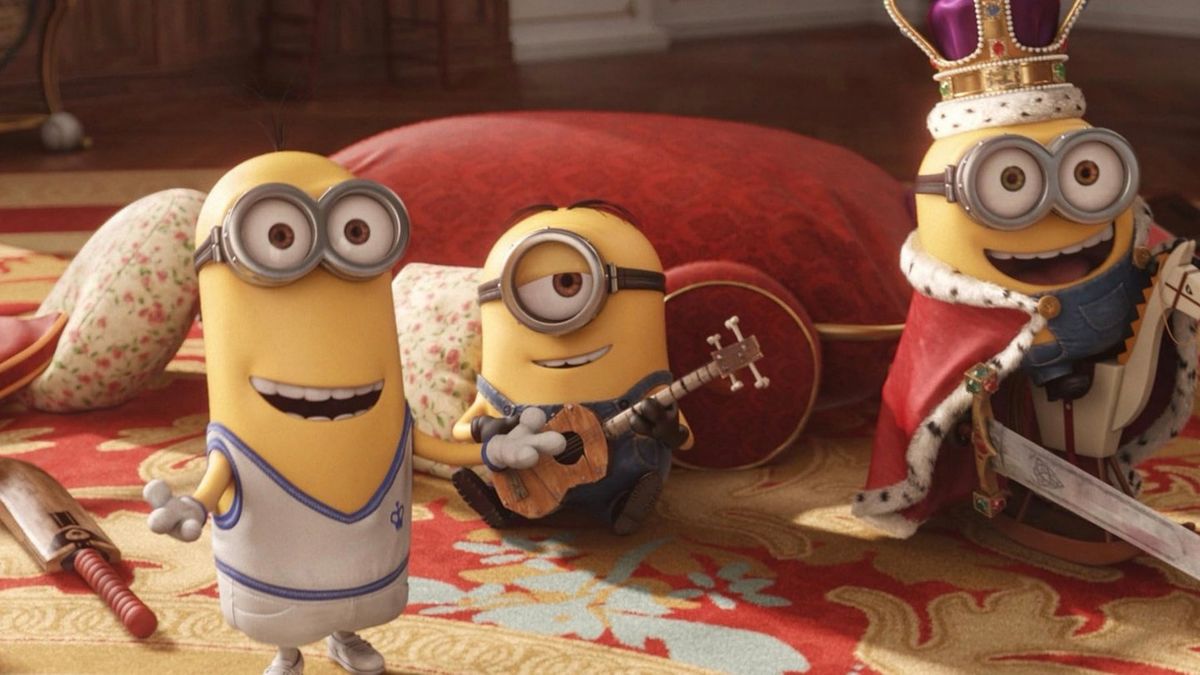
The Despicable Me and Minions films have become one of the biggest animated franchises in movie history, but one strange detail about their world still keeps coming up with fans: every named Minion is male.
Since Gru’s yellow sidekicks first appeared on screen, audiences have noticed the same pattern again and again: Kevin, Stuart, Bob, and the rest of the Minions are all presented as male.
That absence has become even more noticeable as the franchise has continued to grow. After the release of Despicable Me 4 in 2024, the series passed another major box-office milestone and remained the highest-grossing animated film series of all time, with the franchise’s total haul now above $5.6 billion worldwide.
For years, fans have wanted a simple explanation from Illumination’s creative team, and the answer eventually came from Pierre Coffin, the French filmmaker who co-created the franchise and voices many of the Minions himself.
In an interview, Coffin was asked directly why there were no female Minions, and his reply was blunt.
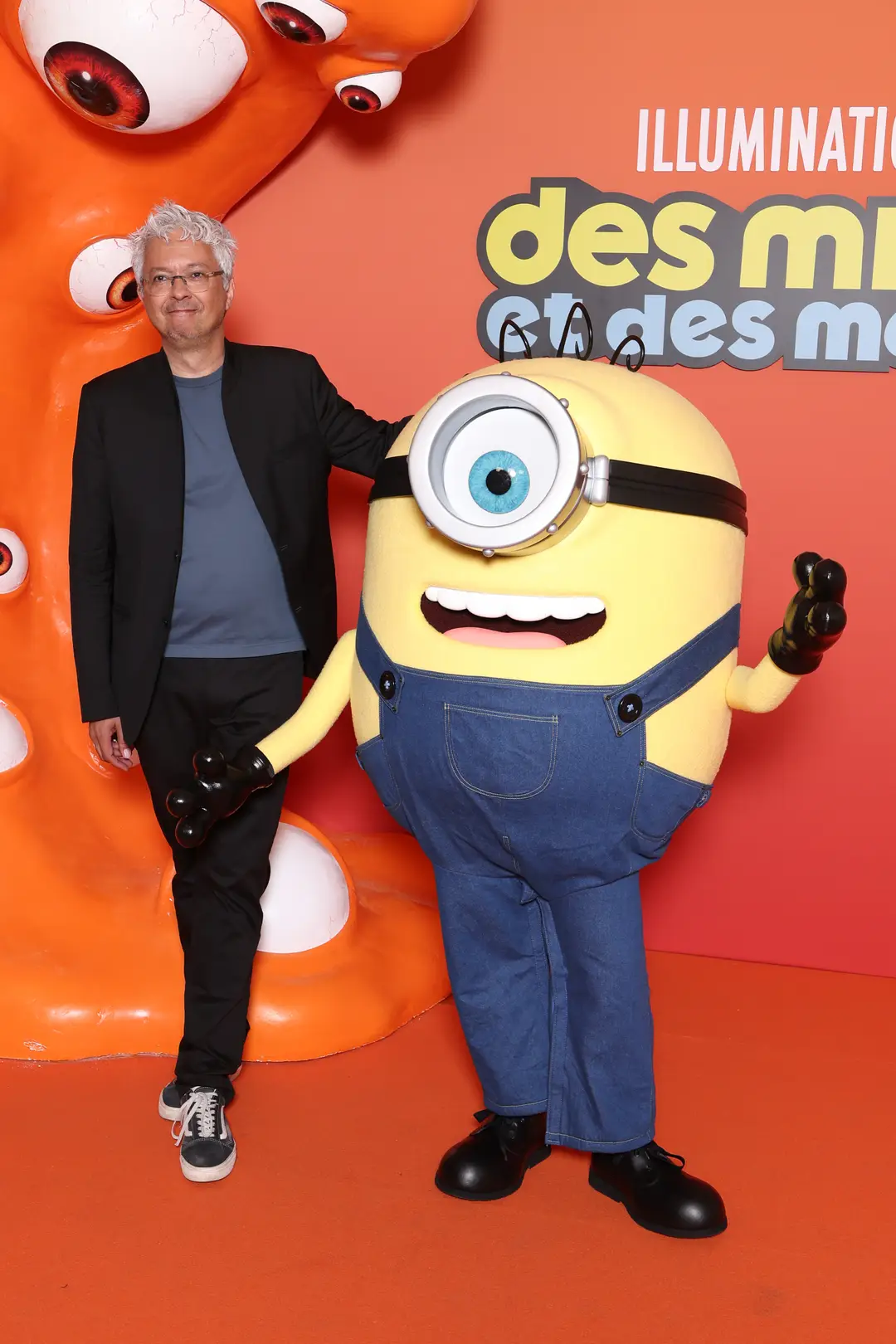
“I think a female Minion would be the beginning of the end,” he told the publication.” Universal would want to do it because they’d think it would please all the women out there. But I’m not convinced.”
“If I were a woman, I’d think it was tokenistic. I’m not saying we’re not gonna do it or not try, but maybe it’s not meant to be. Or maybe it is! Who knows.”
Coffin also said the team had explored the idea before, though it never moved beyond an early concept.
“We did play around with the idea of having the Minions land on this island where there was another tribe who were all, apparently, female,” he added.
“But it didn’t go further than that. In my head, female Minions would look exactly the same as male ones. And in terms of how they breed: they don’t. They just are.”
This was not the first time Coffin had commented on the issue. In an earlier interview with The Wrap, he gave another explanation for why the Minions were conceived as male characters.
“Seeing how dumb and stupid they often are,” Coffin previously told The Wrap, “I just couldn’t imagine Minions being girls.”
By his reasoning, the Minions’ chaos, slapstick violence, and endless bungling were part of why he pictured them as male from the start.
That explanation has continued to spark debate online, especially because it reflects a very old-fashioned gender stereotype. But the franchise has never treated the Minions as ordinary animals or humans in the first place.
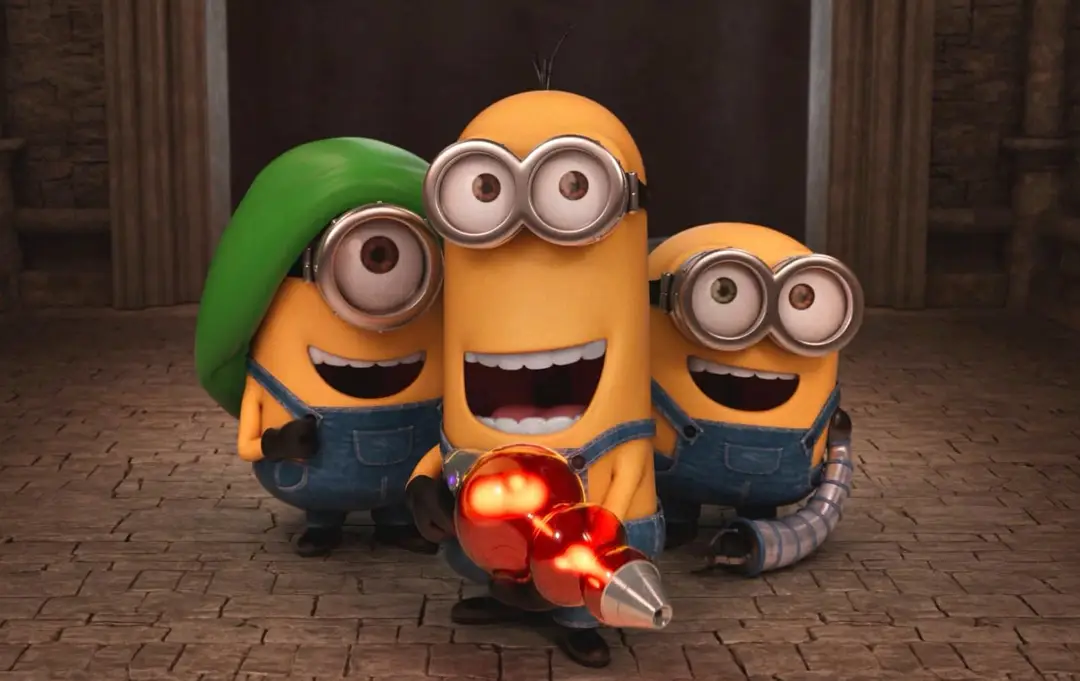
If all Minions are male, the next obvious question is how their species exists at all.
The franchise addressed that in the 2015 spin-off Minions, which opens with an origin story suggesting that the creatures evolved from tiny yellow single-celled organisms in prehistoric times.
Because they are portrayed as effectively ageless and not dependent on normal reproduction, the films imply that the Minions do not need a conventional biological system to keep their population going.
In other words, they are not so much a species with a traditional gender structure as they are a comic, self-perpetuating oddity built for slapstick.
That may be why the lack of female Minions has never really hurt the franchise. If anything, it has become part of the mythology: one more weird rule in a universe that already includes immortal yellow henchmen, supervillains, and minions who communicate in their own nonsense language.
And even years after the first film, the Minions remain a huge commercial force, proving that the absurd, accident-prone little characters still have plenty of staying power.