

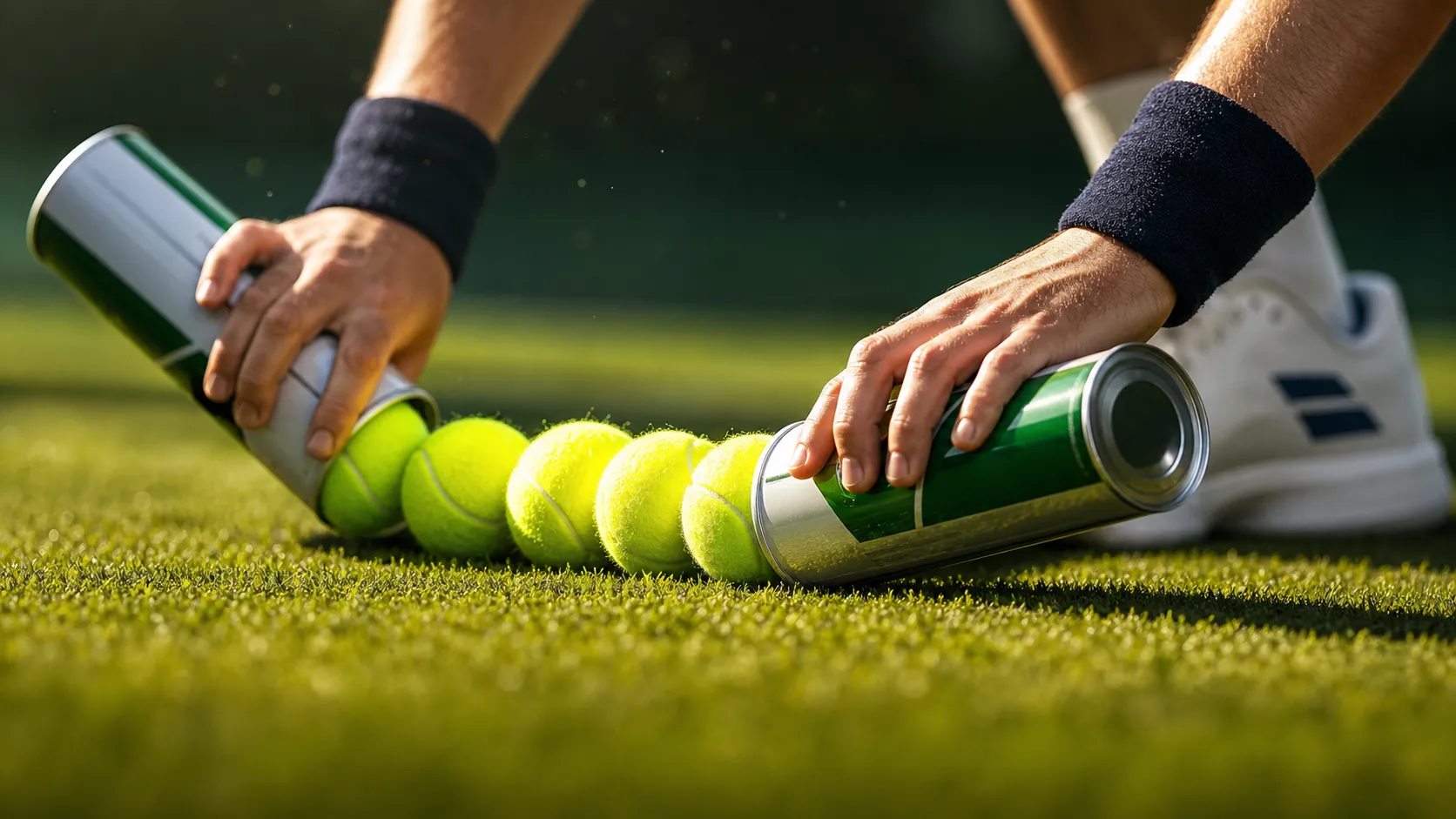
Wimbledon would be unimaginable without tennis balls, but there’s a good reason they’re kept at a controlled temperature before play — and their story doesn’t end when they’re no longer match-ready.
During The Championships, plenty of attention goes to the famous faces in the crowd, the outfits in the stands, and of course the players competing across the fortnight. Still, one essential part of the tournament often escapes notice: the tennis balls.
With all the pageantry, Pimm’s, and strawberries and cream, it’s easy to overlook the item that keeps every rally going. Yet Wimbledon gets through an enormous number of them — around 55,000 over the course of the event.
Sporting News puts the total at 54,250 balls. And rather than being stacked in an ordinary storage room, they’re kept in temperature-controlled conditions.
That naturally raises two questions: why are they stored that way, and what becomes of them once they’ve passed their best?
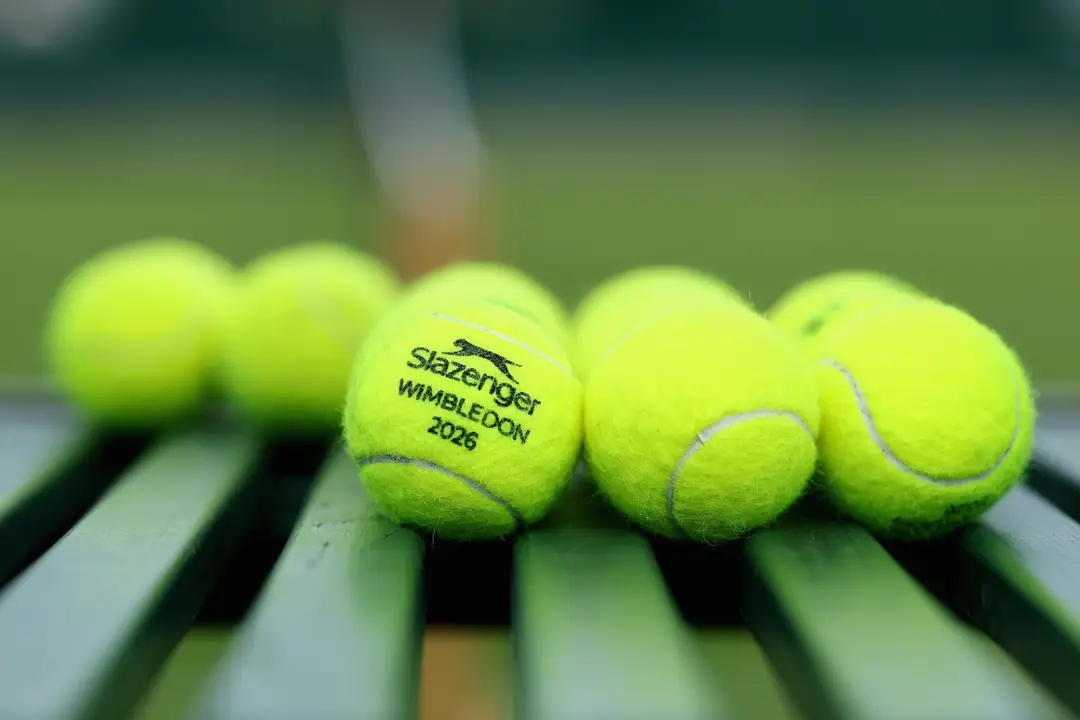
The reason for the temperature control is simple enough: it helps the balls keep a consistent bounce.
Heat affects materials over time, and changes in temperature can alter how a tennis ball performs. By keeping them at a steady 20 degrees Celsius, Wimbledon can better preserve the standard expected at the highest level of the sport.
Once the balls are no longer suitable for top-level play, they don’t just get thrown away. Instead, many of them end up helping charitable causes.
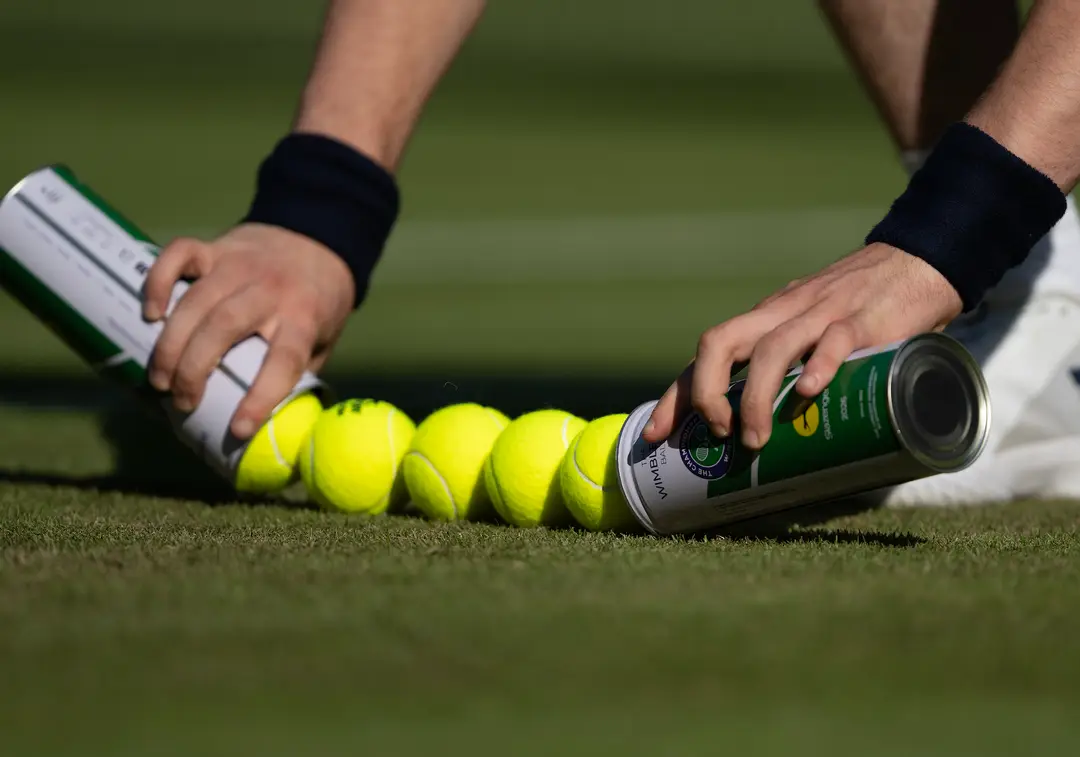
Used balls are collected after play and sorted for resale. Fans can buy them from the Wimbledon Foundation Kiosk at the Southern Village Store, with the proceeds going to the Wimbledon Foundation.
In 2025, the sale of used Championships balls generated £41,000 for the Foundation, and online sales are also available through the Wimbledon Shop, with proceeds from those sales donated as well.
Any remaining stock that isn’t sold is said to be donated or recycled.
And as Resource Media points out, there are plenty of possible second lives for an old tennis ball.
Wimbledon has previously donated used balls to the UK Wildlife Trust, where they have served as cosy shelters for harvest mice.
There are also practical uses closer to home. Old tennis balls can be fitted to the bottoms of chair legs to help protect flooring.
They may also be turned into new flooring products, including cushioned court surfaces, or passed on to charities and tennis clubs that can still make good use of them even if they’re no longer up to Wimbledon standards.
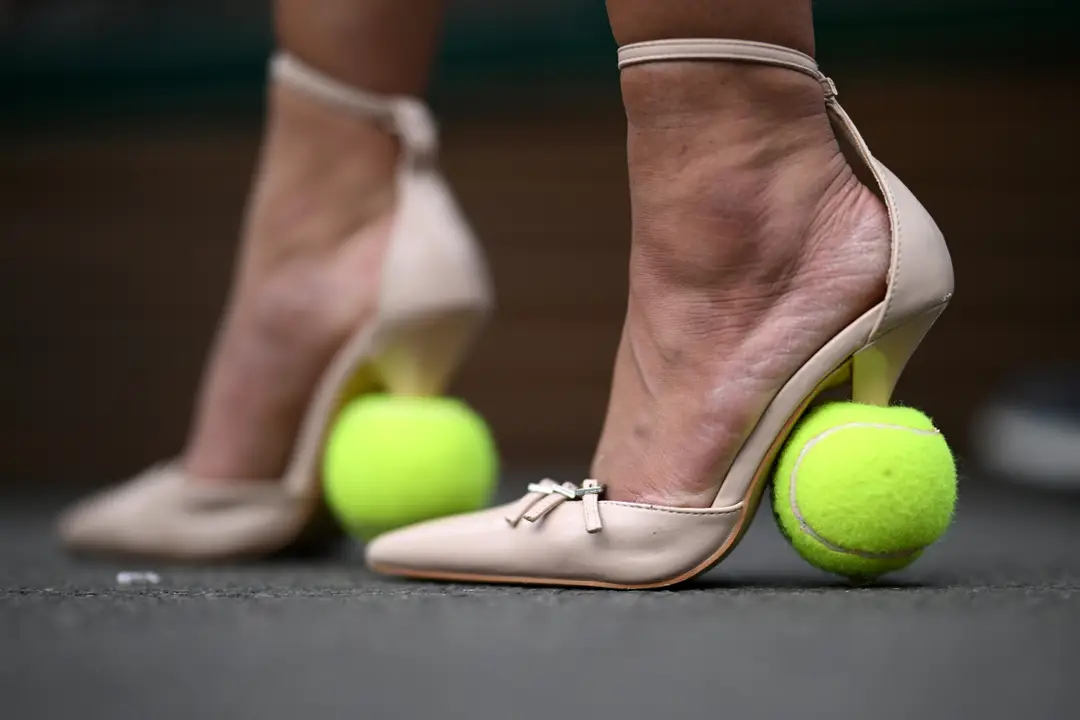
And for anyone thinking creatively, there’s always the more unconventional route — like turning one into a fashion accessory à la Love Islander Maura Higgins.
One final Wimbledon detail: the balls are supplied by Slazenger, the tournament’s official ball supplier since 1902 — part of one of the longest-running partnerships in sporting history.