

The FIFA World Cup has always been about bringing together supporters from every corner of the globe, putting rivalries aside to rally behind their teams and enjoy the spectacle.
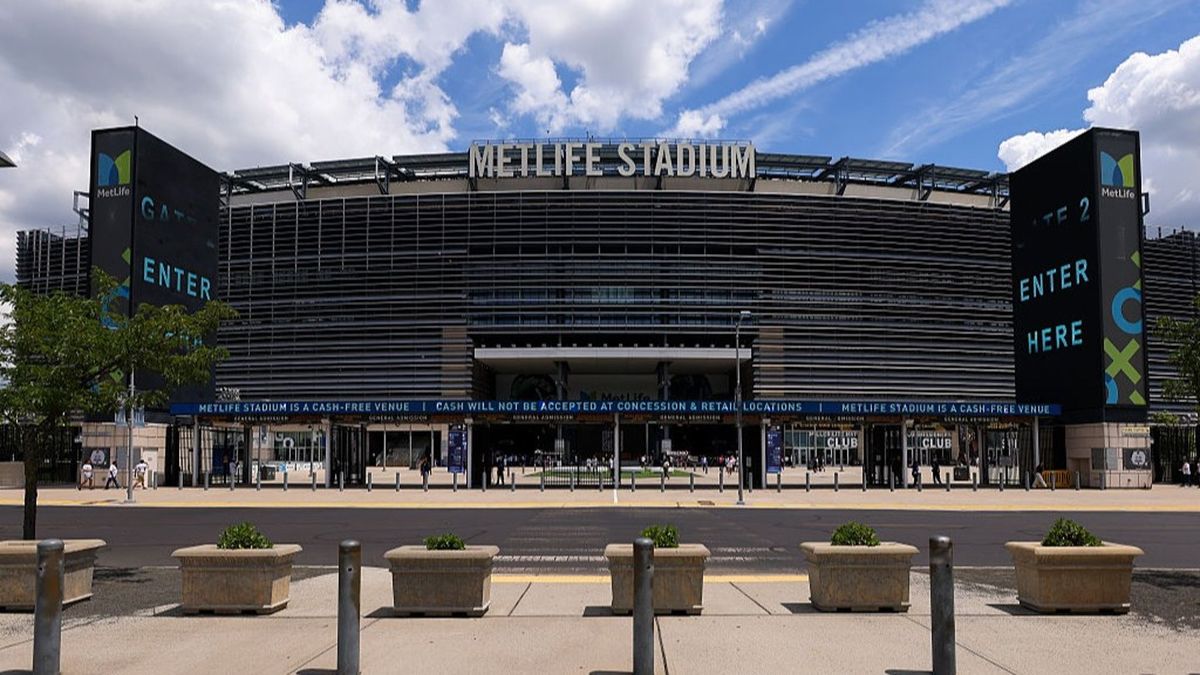
But as fans plan their trips for the tournament in the US, one surprisingly contentious issue has surfaced: whether it’s even possible for ticketholders to simply walk to certain stadiums.
With huge numbers of international visitors expected to travel stateside for the month-long event, many are encountering American venue layouts for the first time. Online, a steady stream of posts has asked the same question about New Jersey’s MetLife Stadium: can you get there on foot?
For many travelers from Europe, the assumption is understandable. Stadiums are often embedded in cities, with transit links, sidewalks, and footpaths making it normal to arrive by train, bus, or a straightforward walk. MetLife, however, doesn’t fit that model.
Despite being only around 10 miles from Manhattan, there is no legal pedestrian route to the stadium. Anyone attempting it would run into major highway infrastructure, including the need to cross the heavily trafficked I-95 corridor, which authorities say isn’t an option for walkers.
The renewed focus on walking routes has also been fueled by anger over steep price increases tied to getting to the venue. A major flashpoint has been the NJ Transit Pass many attendees expect to rely on to reach MetLife.
For regular events, the train ride is typically far cheaper. But for the World Cup period, the cost has reportedly surged, with some fans claiming it could reach $150 for the trip.
That’s for a journey that generally takes about 30 minutes.
Officials connected to New York and New Jersey’s port authorities have echoed warnings to visitors, stressing that using the highway corridor on foot is both unlawful and, in their view, “not safe or actually feasible”.
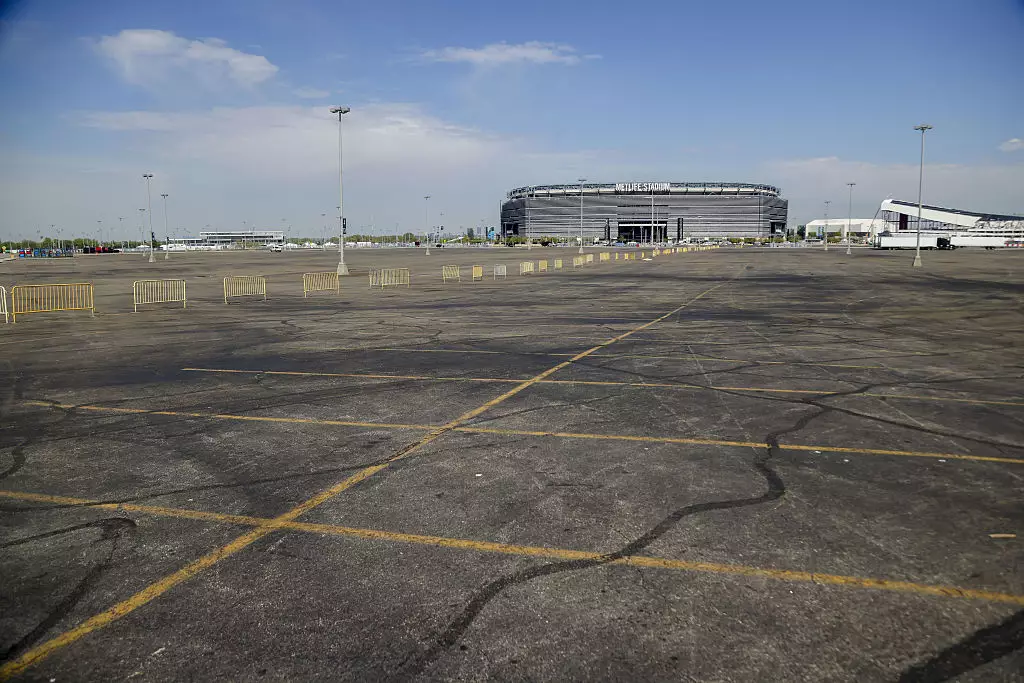
For many overseas supporters, the situation has been hard to believe, particularly for those used to cities designed with sidewalks, crossings, and pedestrian overpasses that allow people to walk to major venues.
One Brit weighed in during the online back-and-forth on TikTok, arguing: “Here is an idea. You are charging eye watering prices for these games, maybe before putting on global events u shud sort out ur infrastructure.”
As the debate spread, another widely shared clip took the conversation in a different direction. In it, someone describing themselves as a “Shakespeare scholar” on the basis of holding a Master’s degree argued that questions about pedestrian access reflected European “white supremacy”.
The remark was widely criticized and quickly shifted the focus away from the practical issue of transportation costs, though it also prompted others to restate what they see as the core point: that limited walkability and transit planning is the real underlying problem.
It’s a reality many visitors may come face-to-face with when the tournament begins on June 11, particularly if anyone attempts to navigate one of the region’s busiest highway systems on foot.
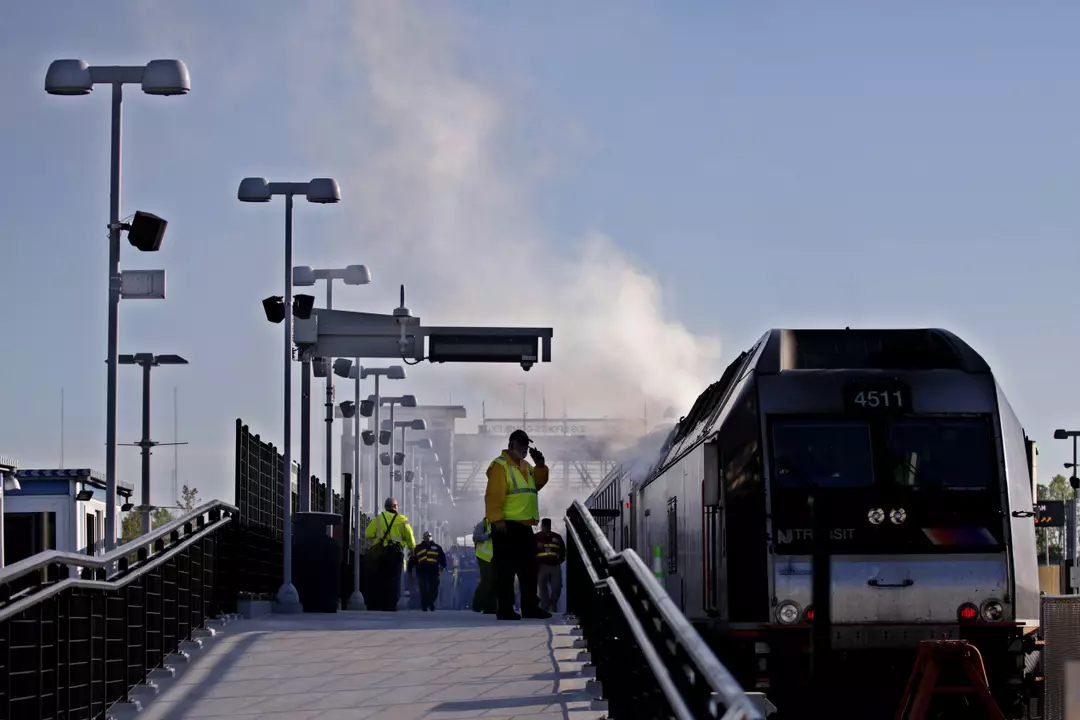
For most fans heading to matches at MetLife, public transport is expected to be the primary practical route. But with the price reportedly set at $150 in some cases, supporters say the increase would be more than tenfold compared with normal fares.
Critics have framed that jump as a straightforward cash grab, something New Jersey’s leadership has pushed back on. Governor Sherrill has said the higher charge is meant to offset an estimated $48 million in added operational costs for running World Cup transport services.
Based on the state’s estimates, charging $150 per rider — with no reduced pricing for children or older travelers — would bring in roughly $6 million per match, a figure that could add up to about $48 million over the course of the tournament.
Explaining the decision to recover costs through ticket prices, Gov. Sherrill said: “Our administration inherited an agreement where Fifa is providing $0 for transportation to the World Cup. Zero. That leaves New Jersey Transit with a $48m to safely get 40,000 fans to and from every game.
“At the same time, Fifa is making $11bn off of this World Cup, and charging fans up to $10,000 for a single ticket for the final. I won’t stick New Jersey commuters for that tab for years to come, that’s not fair. So here’s the bottom line: Fifa should pay for the rides, but if they don’t I’m not going to let New Jersey commuters get taken for one.”
What wasn’t part of that public math, critics note, is the broader spending visitors will already be bringing into the state through taxed purchases tied to tickets, hotels, meals, and travel while attending one of the world’s biggest sporting events.