

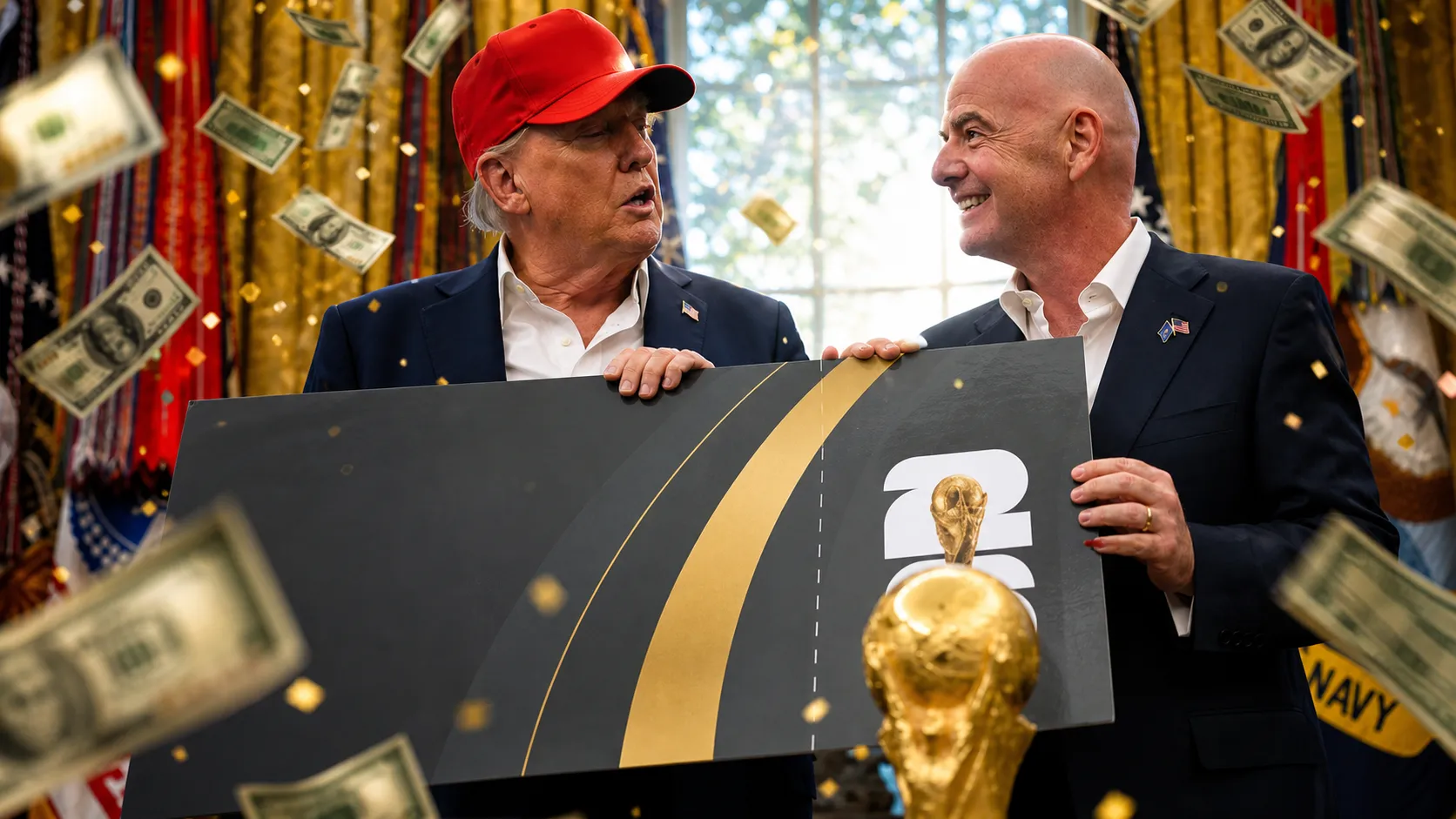
With the 2026 World Cup still weeks away, the debate over ticket affordability has become almost as intense as the tournament itself, as FIFA faces scrutiny in the US and Europe over how it has priced and sold seats for the first-ever 48-team finals.
The tournament will run from June 11 to July 19, 2026, across 16 host cities in the United States, Mexico and Canada, with the final set for New York New Jersey Stadium in East Rutherford, New Jersey.
What has fuelled the backlash is not just the headline prices, but the way those prices have changed. FIFA says it is not using an automatically adjusting dynamic-pricing model, but it has acknowledged repeated price adaptations across different sales phases. That has meant some tickets have risen sharply as demand has grown, especially for the biggest matches and the final.
Officially, FIFA’s lowest supporter price tier starts at $60 for selected matches, but the most expensive premium seats for the final have climbed far higher. In later sales phases, some top-category final tickets reached $10,990, while newly introduced front-category seats were reported at well over $30,000.
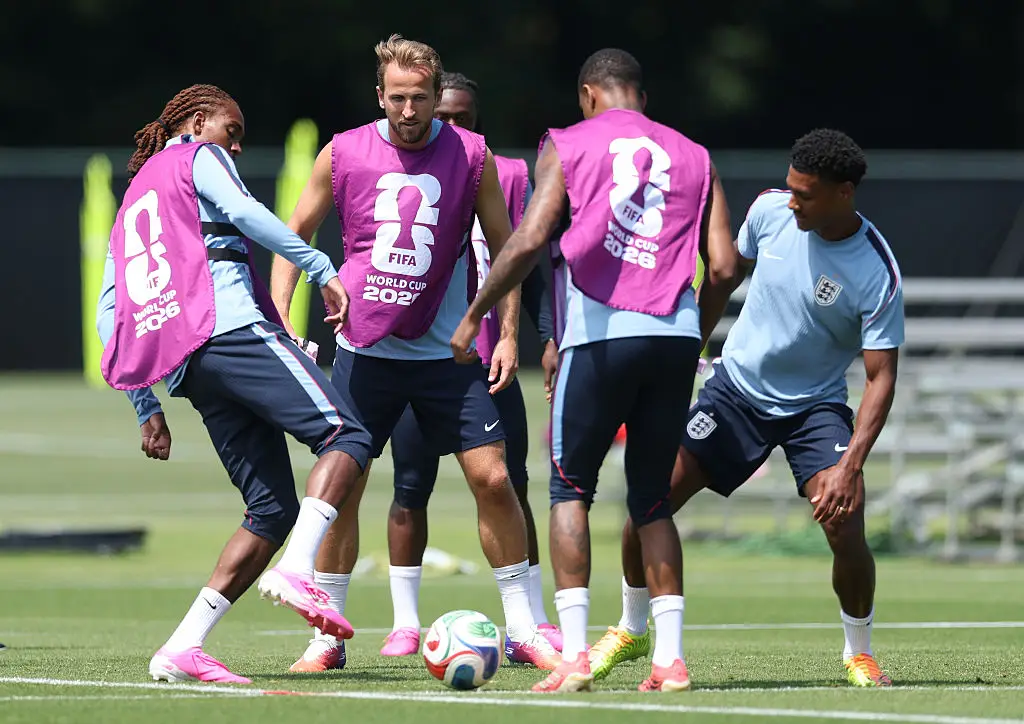
Supporters have also pointed out that the final price at the final stage is only part of the cost. FIFA’s resale and exchange marketplace adds a 15 percent fee, and fans purchasing through official channels can still face extra costs once taxes and charges are included.
England v Croatia not sold out. Secondary ticket sites offering tickets from $867 (£648) to $9,225 (£6,900) for ticket and meal package with access to VIP lounge. Still some hospitality tickets ranging from $2,430 to $3,150 on the Fifa website. #ENG
— Henry Winter (@henrywinter) June 11, 2026
Ticketing has become even more controversial because FIFA introduced new seating categories after the sales process had already begun. Its “Front Category” tiers were created to separate the most desirable seats within each main section, which meant some buyers who thought they were purchasing the best available seats were later placed farther from the pitch than expected.
That issue is now under formal investigation. On May 27, 2026, New York Attorney General Letitia James and New Jersey Attorney General Jennifer Davenport subpoenaed FIFA over its ticketing practices, saying they were examining whether fans were misled about seat locations and whether FIFA’s public messaging, release schedule and pricing practices contributed to soaring costs.
According to the New York City Department of Consumer and Worker Protection, fans have alleged that they paid for one category and received seats in another, while other complaints focus on a lack of clarity over which seats would actually be assigned. The investigation is centered on matches at MetLife Stadium, which will host eight World Cup games, including the final.
FIFA has defended its pricing approach by pointing to demand. It says ticket prices are being set to reflect market conditions and that the tournament has already drawn extraordinary global interest, with hundreds of millions of ticket requests submitted across sales phases.
Even so, the outrage has spread well beyond football circles. Some fans argue that a World Cup should be accessible to ordinary supporters, not reserved for corporate buyers and the wealthy. Others say the scale of the event, combined with inflated travel, accommodation, parking and concessions costs in North America, makes the whole experience unaffordable for many families.
Supporters have also highlighted the broader expense of going to games in the US, pointing to $20 beers, $9 water, and costly parking and shuttle services around stadiums in addition to admission itself.
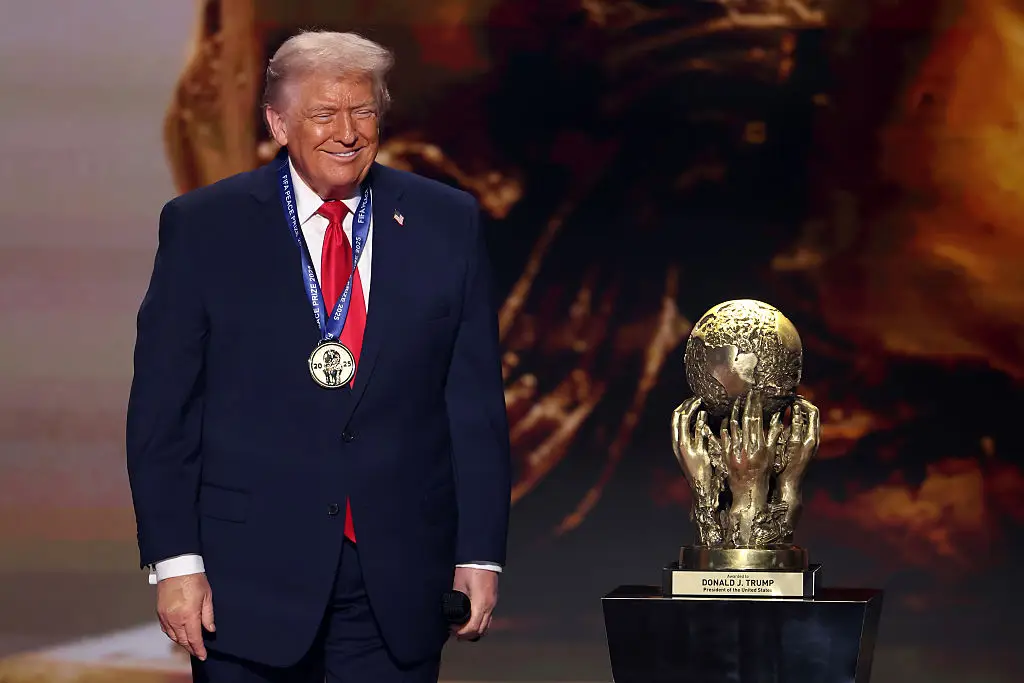
Even Donald Trump has commented on the prices.
Although he has a close relationship with FIFA president Gianni Infantino, Trump said he would not spend around $1,000 on nosebleed seats for the USA’s opening match against Paraguay.
Criticism has now moved beyond social media. Football Supporters Europe and consumer group Euroconsumers have submitted a formal complaint to the European Commission, alleging that FIFA has used its control over World Cup ticketing to enforce excessive costs and unfair, unclear sales conditions for European supporters. Among the issues raised is the fact that the cheapest available ticket for the final now starts at $4,185, more than seven times the cheapest equivalent for the 2022 final and far above FIFA’s original average estimate of $1,408.
“Football is a universal passion, but FIFA is treating it like a private luxury by exploiting its absolute monopoly over World Cup ticketing,” said Marco Scialdone, Head of Litigation at Euroconsumers.
FIFA is also facing pressure in the US. In May, New York Attorney General Letitia James and New Jersey Attorney General Jennifer Davenport opened a joint investigation into the governing body’s ticket pricing and wider sales practices, including how seats have been distributed.
The pricing for the final offers a clear example of how far costs have risen. FIFA’s highest ticket category first went on sale at $6,730, already significantly higher than the approximate $1,600 top price for the best seats at the Qatar 2022 final. In the latest sales window, that figure then increased to $10,990.
Then came the additional “Front Category” tier launched in April. Those front-row seats around the stadium pushed prices even further, with reports suggesting a front-row place for the final cost more than $30,000.
That kind of figure is hard to ignore. Roughly $30,000 could buy about 6,000 Big Macs, cover a year’s rent in many US cities, or make up a substantial house deposit, all for one seat at one game.
Attorney Derek Howard, who teaches at the University of San Francisco, said that FIFA has kept ticket buyers largely in the dark on pricing and availability. “FIFA has been using what we might call scare tactics to create a demand for a ticket and telling people that they have to pay the high prices because if they don’t, they’re going to miss out on this once in a lifetime event,” he said.
“The problem behind that is that the consumers have no way of knowing whether or not that’s true.”
Davenport also took aim at the system when announcing the investigation. “Being honest about ticket sales is not complicated,” she said.
“But FIFA has turned buying a ticket to the World Cup into a gauntlet of confusion, fake scarcity, and impossibly high prices, all at the expense of consumers and hardworking New Jerseyans.”
There is still some hope for fans who want to attend a match without spending a fortune.
FIFA has kept its official ticketing and resale platforms open subject to availability, and it says tickets continue to be released in phases. Fans looking for a cheaper option are being advised to monitor official sales closely, remain flexible about match choice and seating category, and be ready to buy quickly when lower-priced inventory appears.
For many supporters, though, the wider question remains unchanged: how can football’s biggest tournament continue to call itself the game for everyone when a single seat to the final can cost more than many people earn in a month?
FIFA has been contacted for comment.