

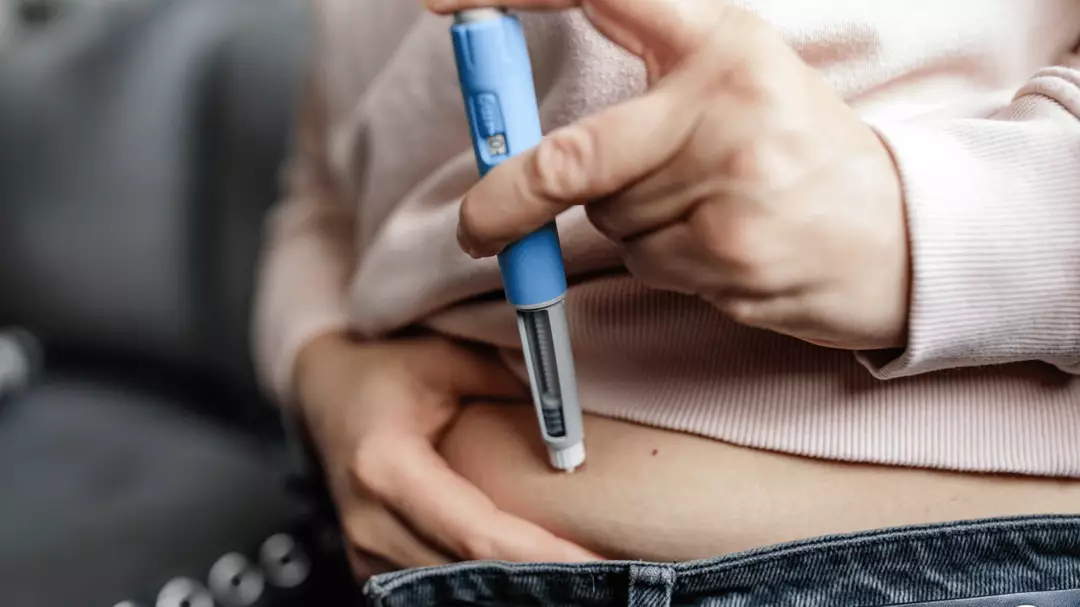
Weight loss medications are believed to be contributing to an increase in the occurrence of scurvy, a disease historically linked to pirates and sailors.
In modern society, weight loss drugs have become commonplace, with many individuals in nations such as the UK, Australia, and the US using these medications.
A late 2022 KFF survey revealed that one in eight adults were using GLP-1s for weight loss at the time of the poll.
Additionally, recent statistics from University College London indicate that 1.6 million people in Britain have taken weight loss drugs like Wegovy or Mounjaro over the past year.
Although potential side effects of these medications have been widely discussed, there is a new concern regarding a condition some individuals may develop while using GLP-1s.
The condition now being reported is scurvy.
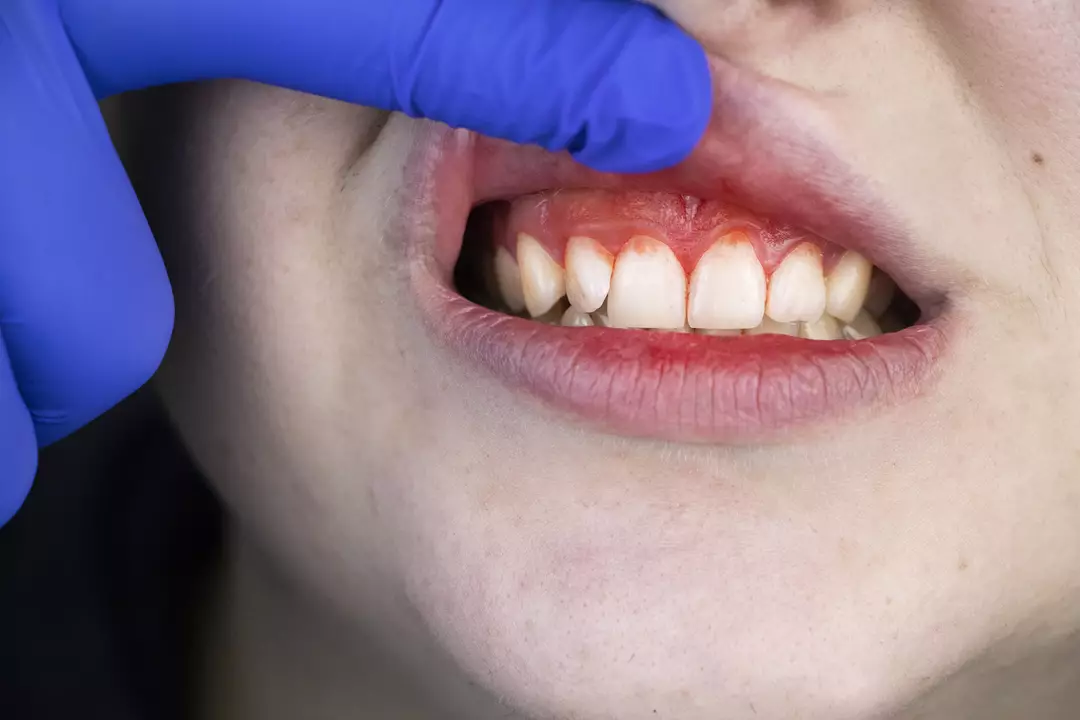
Scurvy is caused by a deficiency in vitamin C, resulting from insufficient intake of the vitamin through diet.
The Mayo Clinic explains, “Not eating enough fruits and vegetables is the main cause of the disease. Left untreated, scurvy can lead to bleeding gums, loosened teeth and bleeding under your skin.”
Additional symptoms of scurvy include anemia, swollen legs, rough skin, reopening of previously healed wounds, and brittle hair.
Treatment typically involves increasing vitamin C intake through diet and supplements.
Clare Collins, a professor of nutrition and dietetics at the Newcastle School of Health Sciences, reviewed studies on weight loss injections and found that only two out of 41 controlled trials tracked dietary intake.
In an interview with The Australian Financial Review, Collins expressed concerns about malnutrition among GLP-1 users, stating: “Only one [trial] had published what people ate. We wrote to all the authors, and got data from one more trial. This is being missed.”
She emphasized, “It does not give you an opportunity on how it might impact their dietary intake. We know there are a lot of side effects. For such an expense it is a marked miss.”
The expert further pointed out, “A reduction in body weight does not automatically mean the person is well, nourished or healthy. Nutrition plays a critical role in health and right now it’s largely missing from the evidence.”

Robbie Williams revealed that he was diagnosed with scurvy last year while using weight loss medications.
“I’d stopped eating and I wasn’t getting nutrients,” he confessed to The Mirror, which led to a severe vitamin C deficiency and a scurvy diagnosis.
Williams, known for ‘Let Me Entertain You,’ described the condition as ‘A 17th-century pirate disease.’
It seems Williams is not alone, as cases of scurvy are reportedly increasing in the UK, where cases have surged by 25 percent since 2007.
A spokesperson for Novo Nordisk responded to these findings, stating: “Given that the side effect to which you refer [scurvy] is not a recognised one that appears in the label, I don’t have anything specific I can share on this. I do have a more general statement though, and we recommend anyone experiencing any adverse events reports them to the MHRA to ensure relevant safety data is appropriately captured.”
They also emphasized that the GLP-1 Ozempic “is indicated for type 2 diabetes and is not an approved option for weight loss.”
Further comments have been sought from Eli Lilly.