

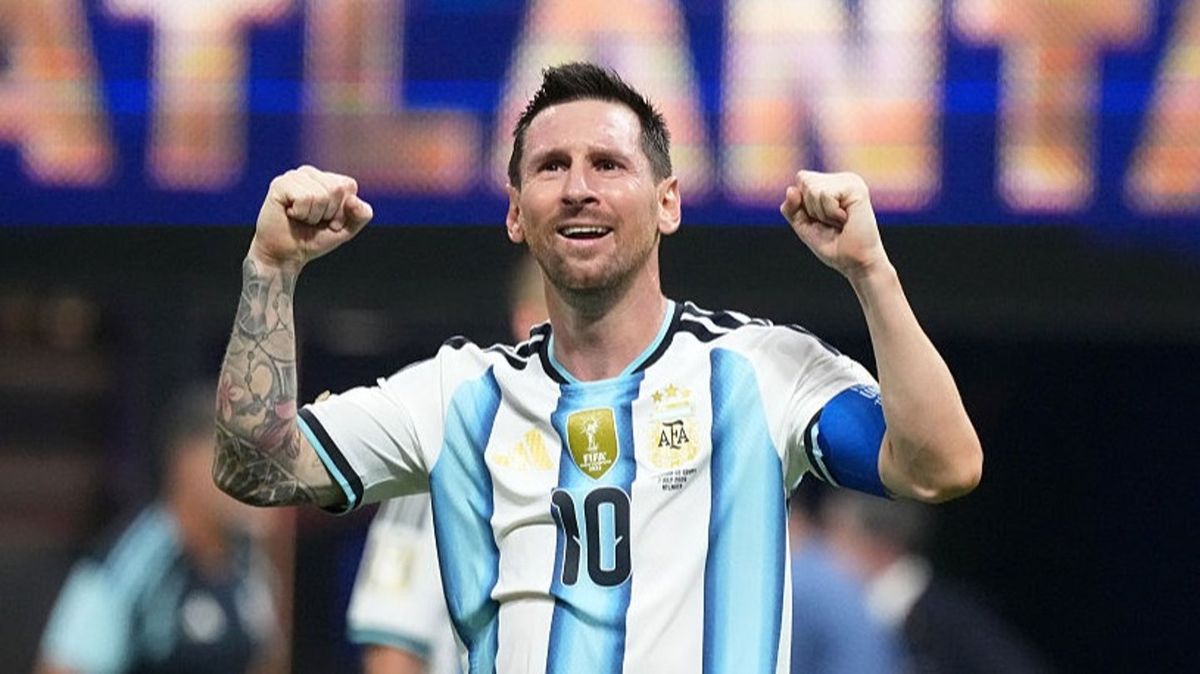
Football has never been short of conspiracy theories, yet one of the most persistent is the claim that World Cups somehow end up tilting toward Lionel Messi.
It is an argument that keeps resurfacing. Every tournament seems to produce another controversial call, another disputed moment, or another coincidence that fans online quickly add to the discussion.
The latest wave has revived a familiar narrative around Argentina, Messi and FIFA, echoing the debate that followed the 2022 World Cup in Qatar, when Argentina beat France in one of the most dramatic finals in the competition’s history and Messi lifted the trophy at the end of his fifth World Cup appearance.
That wider context matters because the theory has never been based on any proof. Instead, it has grown through a mix of high-pressure matches, refereeing arguments, viral clips and old grudges that football supporters love to recycle whenever Messi or Argentina are involved.
This time, Egypt has become the latest team at the center of that debate following a dramatic last-16 meeting in Atlanta that supporters from both sides will remember for completely different reasons.
The Pharaohs were 2-0 ahead against Argentina with only 12 minutes of regulation time left and looked set to reach a World Cup quarter-final for the first time in their history.
Instead, the match swung sharply. Cristian Romero gave Argentina a lifeline, Messi brought the score level not long after, and Enzo Fernández headed in deep into stoppage time to seal a comeback victory.
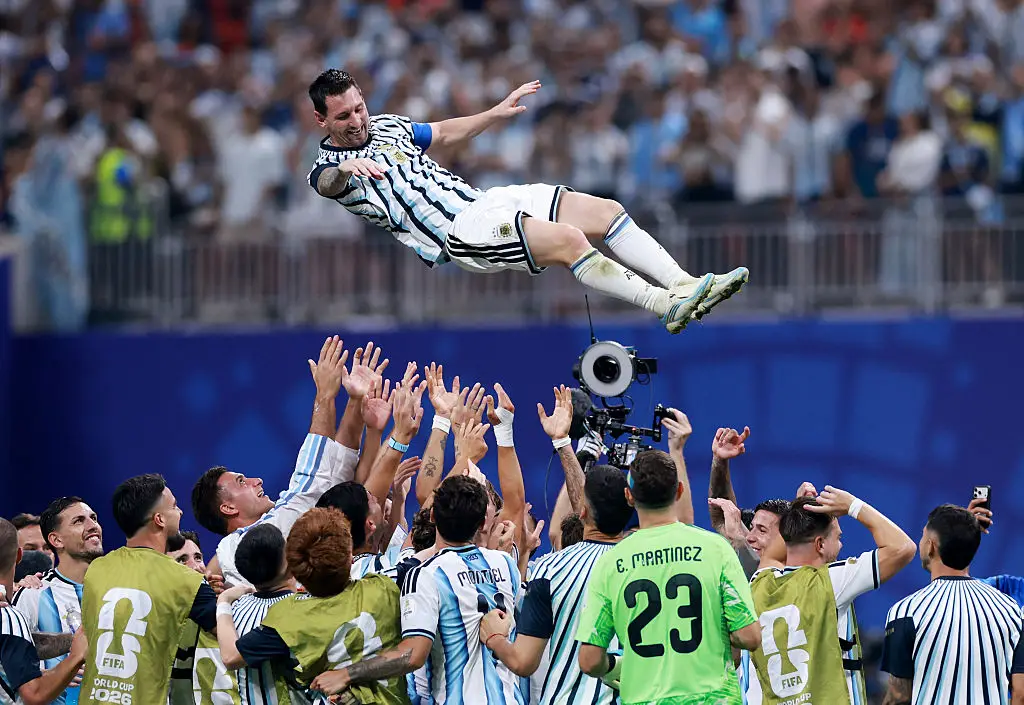
While Egypt’s players were left devastated at full-time, much of the reaction centered on the moments before Fernández’s winner. Earlier in the game, VAR had disallowed a Mostafa Zico goal after Marwan Attia was judged to have fouled Lisandro Martínez, despite many viewers believing there was barely any contact.
There were also strong complaints from Egypt over a possible penalty involving Mohamed Salah in the passage of play that eventually led to Argentina’s decisive goal.
After the match, Egypt manager Hossam Hassan accused officials of bias, saying his players had been ‘treated unfairly’ and had ‘suffered injustice’, before adding, ‘perhaps they wanted to keep the world champion in the competition’.
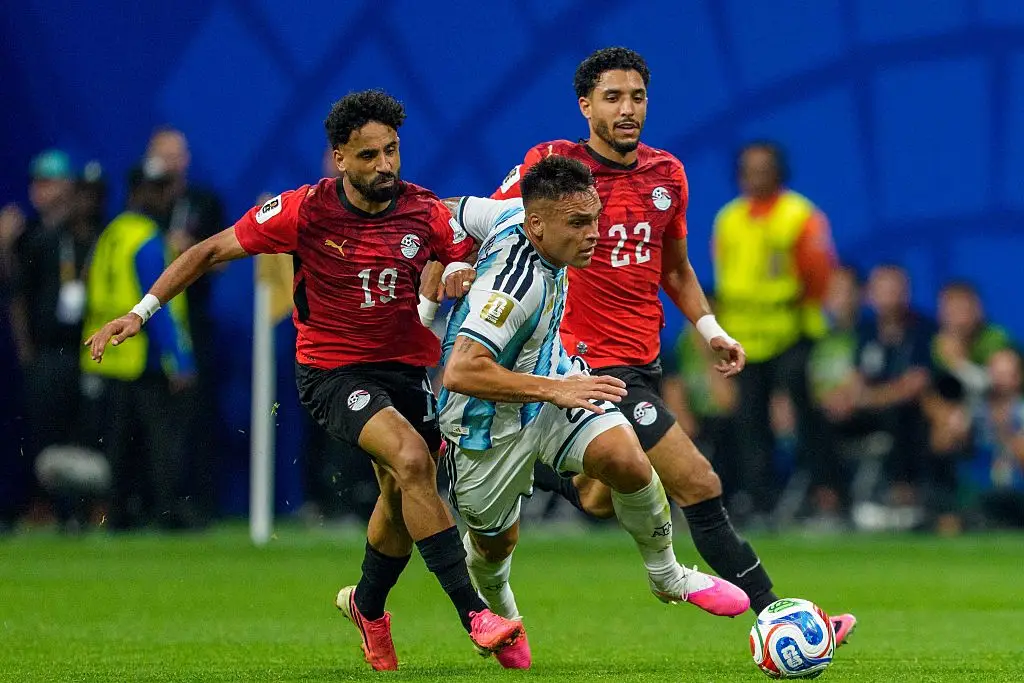
That match was not the only incident fans have pointed to. In the group stage, Messi escaped without a booking for a challenge on Algeria defender Aissa Mandi, a decision that divided opinion. Soon after, USA forward Folarin Balogun was dismissed for a tackle many considered similar, though Donald Trump later stepped in and had the suspension rescinded.
Comments from FIFA president Gianni Infantino have also done little to cool the speculation. Speaking to Argentine television, he admitted he ‘suffered’ while watching Argentina’s tense round-of-32 win over Cape Verde, later explaining that he meant it in a neutral sense.
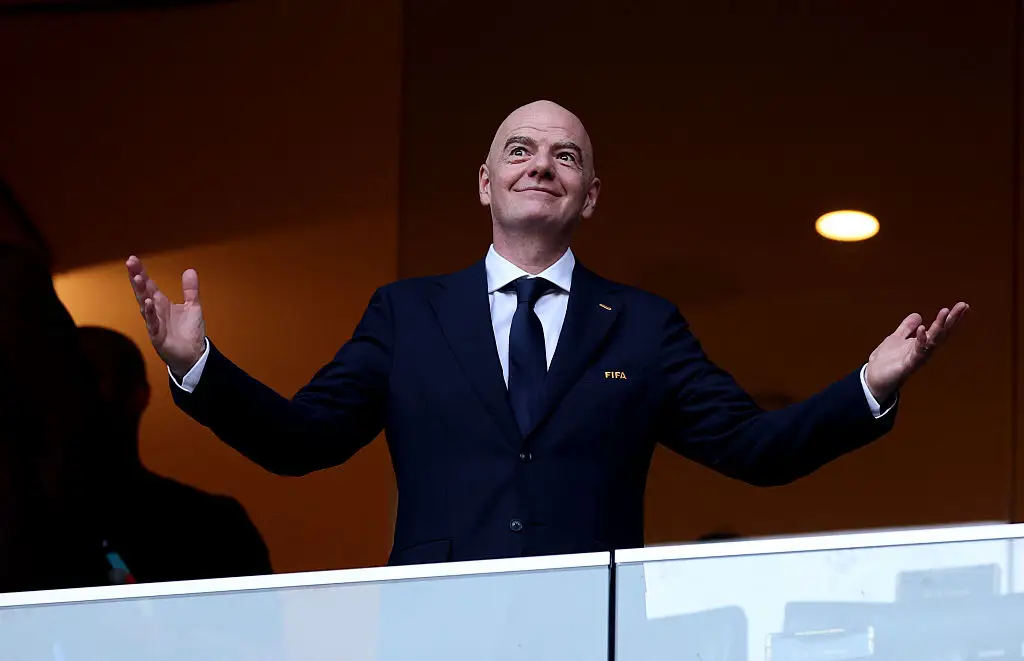
Another talking point came ahead of France’s quarter-final with Morocco, when all five appointed match officials were announced as Argentine. The decision quickly went viral, drawing more than 32 million views across social media in a matter of hours.
For many supporters, these claims are part of a much older pattern. Former Netherlands manager Louis van Gaal previously said Messi’s 2022 World Cup success felt ‘premeditated’, and arguments about Argentina receiving favorable treatment stretch back as far as their disputed 1978 triumph on home soil.
Even so, there is still no evidence supporting claims that the tournament has been fixed.
What is clear is that Messi remains one of football’s most polarizing figures, and every major Argentina match now seems capable of reigniting the same debate all over again.
FIFA has been approached for comment.