

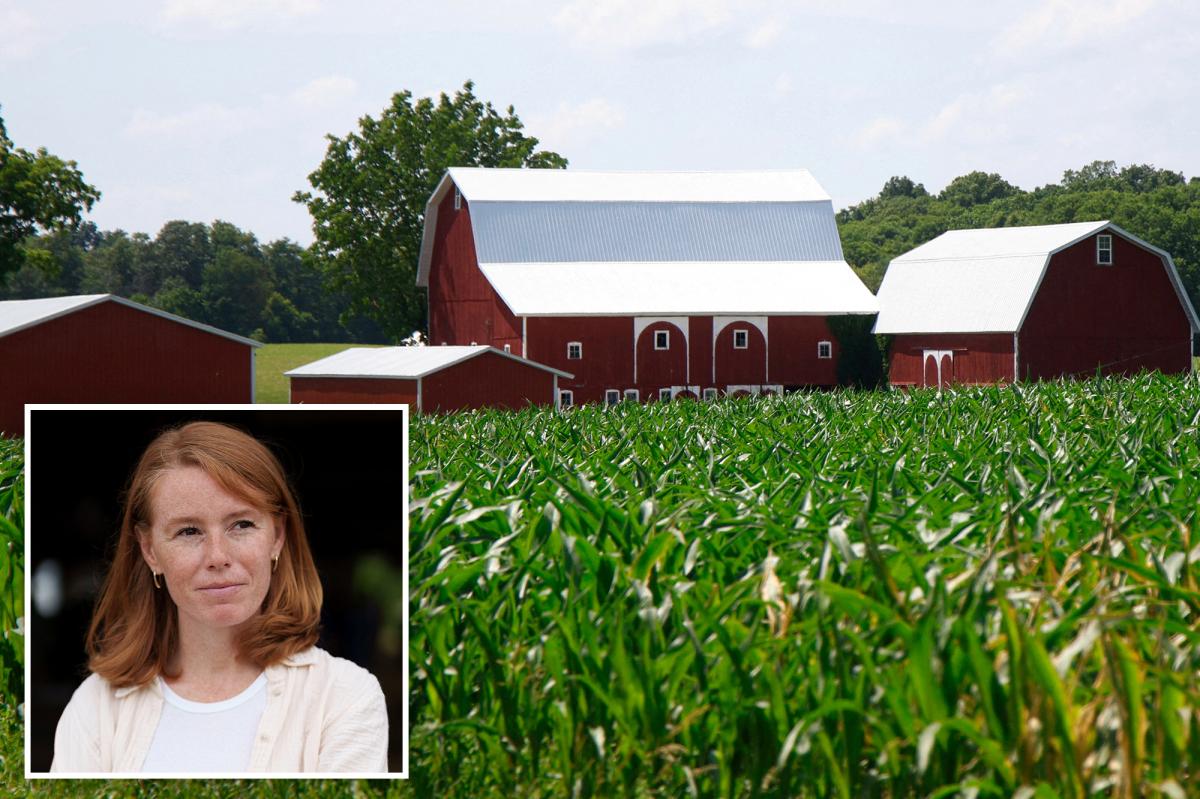
Wisconsin Democratic congressional candidate Rebecca Cooke called out her own party for abandoning rural and working-class voters during a podcast interview Thursday.
Cooke, 38, appeared on the “Politics War Room” podcast with co-hosts James Carville, 80, and Al Hunt, where she detailed her identity as a Blue Dog Democrat and explained why she believes the party has lost touch with key constituencies. The Eau Claire native is running for Wisconsin’s 3rd Congressional District and secured the Democratic nomination on August 12 after defeating former Eau Claire City Council President Emily Berge in the primary.
“They are folks that are fiscally conservative, socially liberal, are really working from, like, a place-based perspective,” Cooke said of Blue Dog Democrats during the interview. “They’re people that understand rural Democrats, working-class Democrats, that are showing up in rural communities and working-class spaces that historically our party has left behind.”
She continued, connecting the group’s mission to her own background. “And that’s, like, I think why I was connected with them originally or why I — you know, what they were doing resonated with me so much.”
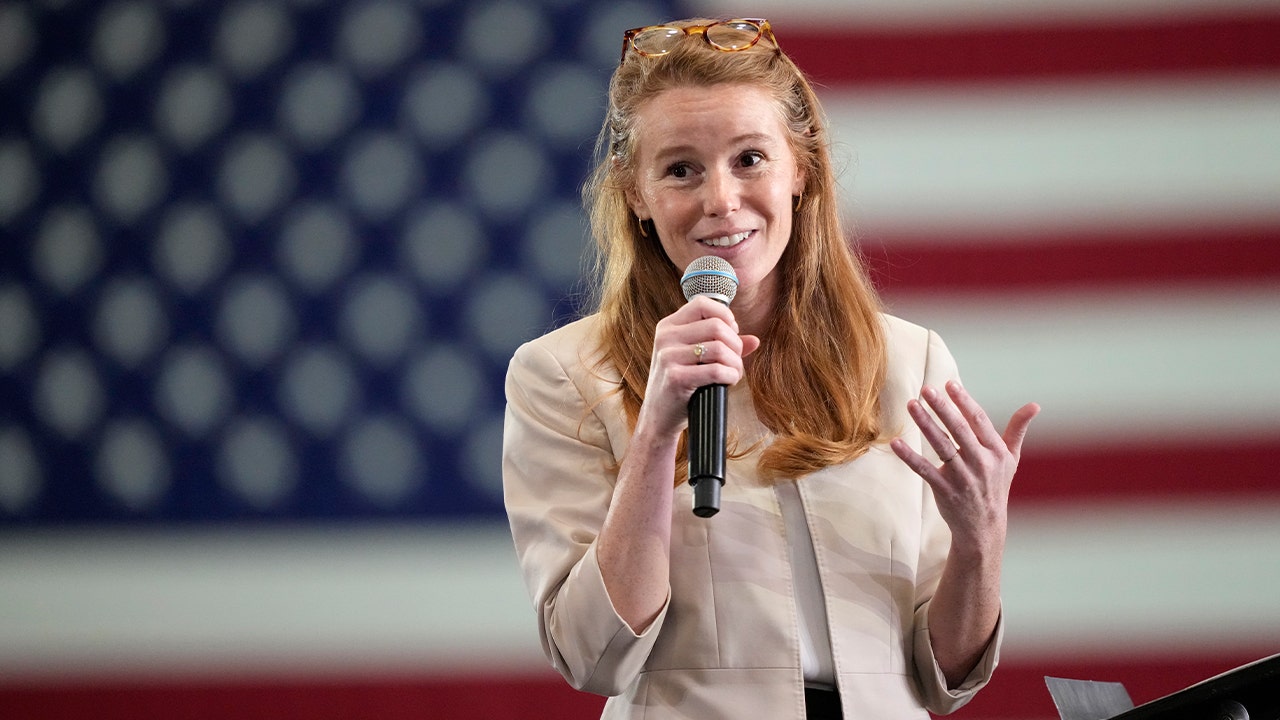
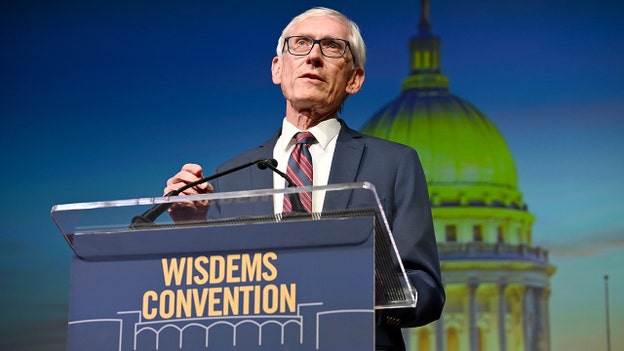
Cooke cited her own working-class credentials as central to her appeal, noting she has been a waitress since she was 16 years old and still waits tables to make ends meet while running her campaign. She also founded a nonprofit called Red Letter Grant that supports women entrepreneurs in rural Wisconsin. “I’ve run a small business here in my community, but I also waitress to make ends meet,” she said on the podcast.
Hunt pressed Cooke on her past statement that congressional Democrats are “too left-wing,” asking specifically how she viewed House Minority Leader Hakeem Jeffries in that context. Cooke deflected from attacking Jeffries directly, instead pointing to a campaign ad she ran previously. “I did an ad last cycle where I was standing in the middle of the road on my parents’ farm talking about how folks in DC are either too far left or too far right, and we need more people in the middle that want to work across the aisle to get things done,” she explained.
“I’m somebody that wants to work in a really bipartisan way and not put, you know, party before people or politics before people, and I think that’s … what’s important,” Cooke added.
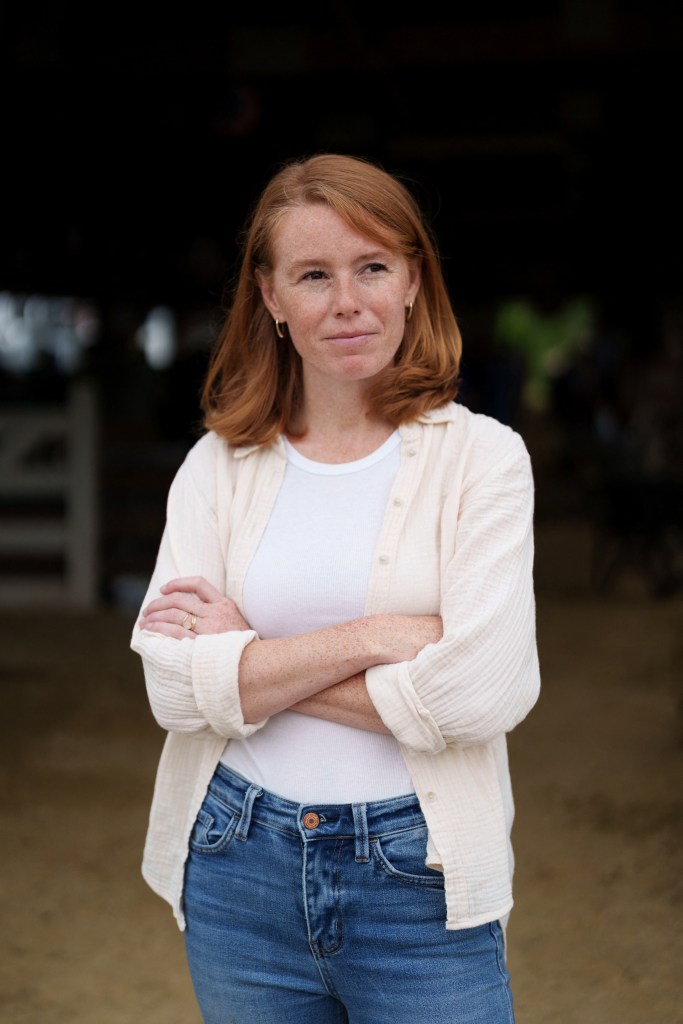
Cooke argued the Democratic Party needs more candidates from working-class backgrounds like her own, citing a fellowship she did with the group Third Way on how to recruit such candidates. “I’ve been a waitress since I was 16 years old,” she said. “I did some fellowships last year also with the group called Third Way, around, you know, how do we get more working-class folks to run for office? How do we connect more with working-class voters in general?”
She elaborated on what she sees as a trust gap between voters and typical Democratic politicians. “And I’m proud of that work because I think there’s this disconnect in the party. And when we run working-class people, folks come out to vote because people trust those people, right? Folks trust me because I have some of the same lived experience that they’ve had, right?” Cooke said.
The candidate shared specific hardships from her own life that she said many in Congress cannot relate to. “We’ve had to sell our cows because of the low price of milk,” she said. “I’ve had to struggle to compete with the Amazons of the world in running a small business. I know what it’s like to sign the front of a paycheck as well as the back of a paycheck, right? And I know what it’s like to do hourly wage work.”
Cooke delivered her sharpest criticism when discussing how these personal experiences inform her view of Washington lawmakers. “There’s a lot of members of Congress that have never done those sorts of things,” she said. “So, when they’re making policy that’s impacting working families, they’re out of touch with that.”
Cooke’s blunt assessment of her party’s estrangement from rural America crystallized a debate that has consumed Democrats since Trump’s 2016 victory. Her comments on the Carville-Hunt podcast echoed years of post-election analysis about the party’s declining support in small-town and working-class communities, but carried extra weight coming from a candidate actively campaigning in a competitive rural district with those very voters.
A spokesperson for Cooke’s campaign responded to questions about specific policy moderations she would push, emphasizing her bipartisan outreach. “Rebecca grew up on a dairy farm and has been campaigning in every county, rural and urban, in the 3rd district because she wants to earn support from Wisconsinites of all backgrounds, including Republicans and Trump supporters,” the spokesperson said. “On MSNOW this week, she said if she sees someone with a MAGA hat, she’s going to shake their hand and introduce herself.”
The spokesperson also highlighted positions that break with Democratic orthodoxy. “She’s running to fight for working people and has no problem disagreeing with other Democrats, like when she said she’d ‘stand up to Democrats to fight for a secure border.’ She ‘support[s] funding the police fully and doesn’t believe in universal student loan forgiveness because it only sticks a Band-Aid on a structural problem.'”
Cooke will face Republican incumbent Derrick Van Orden, 56, in the November general election in a rematch of their 2024 contest, which Van Orden won with 51.4% of the vote.