


A 26-year-old woman has spoken candidly about the warning signs she noticed before receiving a life-altering diagnosis.
Mrinali Dhembla was stunned when doctors told her she had colon cancer, admitting she initially assumed there must have been a mistake.
Many people still associate cancer with older age, but one type in particular is increasingly being diagnosed in younger adults.
Colon cancer rates are climbing among patients considered “young” in cancer terms—those under 50.
In Mrinali’s case, the disease was diagnosed at stage three and had also spread to her spine.
She has since described the symptoms she experienced in the lead-up to learning what was really going on.
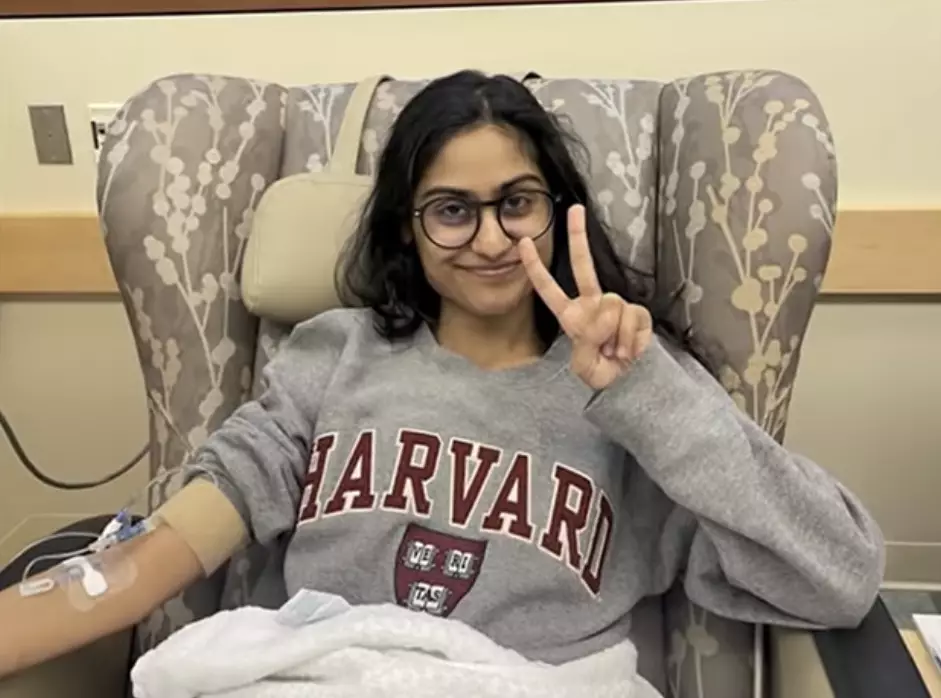
“I just thought my life was gonna end after months of aggravating back pain and fatigue,” she told ABC’s Good Morning America.
Severe back pain and exhaustion are symptoms that should always be checked out, but they aren’t necessarily the kind of signs most people would immediately connect with cancer, unlike something like an ongoing cough or discovering a lump.
Colon cancer can be harder to detect than some other cancers because it may not show obvious symptoms that people without medical training would recognize as a red flag.
Because of that, routine screening remains one of the most dependable ways to detect the disease early—especially when symptoms are vague or easy to dismiss.
Looking back on the moment she was diagnosed, Mrinali recalled: “I still remember the doctor telling me that I had cancer, and my first instinct was to say that he was wrong.
“I said, ‘That’s not possible. I’m just 26 years old.'”
Mrinali later gained access to a newer treatment approach, and by July 2025 she was cancer free.

That treatment was immunotherapy, which became an option after doctors found her cancer was linked to a genetic condition called Lynch Syndrome.
Dr. Nicholas Hornstein, an oncologist with Northwell Cancer Institute, was among the specialists involved in her care.
“Patients that have Lynch syndrome are excellent candidates for immunotherapy,” she said.
“Because they have so many mutations in their cancer cells, it allows their immune system to recognize them, and they just need a little bit of a boost with immunotherapy to become effective at eradicating their tumors.”
Doctors also believe the benefits of immunotherapy may extend well beyond immediate treatment, potentially offering lasting protection in the years that follow.
“The benefit we see from immunotherapy can last for decades. Patients who are able to eradicate their tumors, they tend to stay gone,” said Hornstein.
Mrinali underwent three infusions and is now focused on the future, including planning her wedding.
She said: “I just wish I had seen a doctor when I was constantly sick every day.
“Just listen to your body. If you’re having symptoms, if you’re sensing something unusual, just please go to a doctor.”