

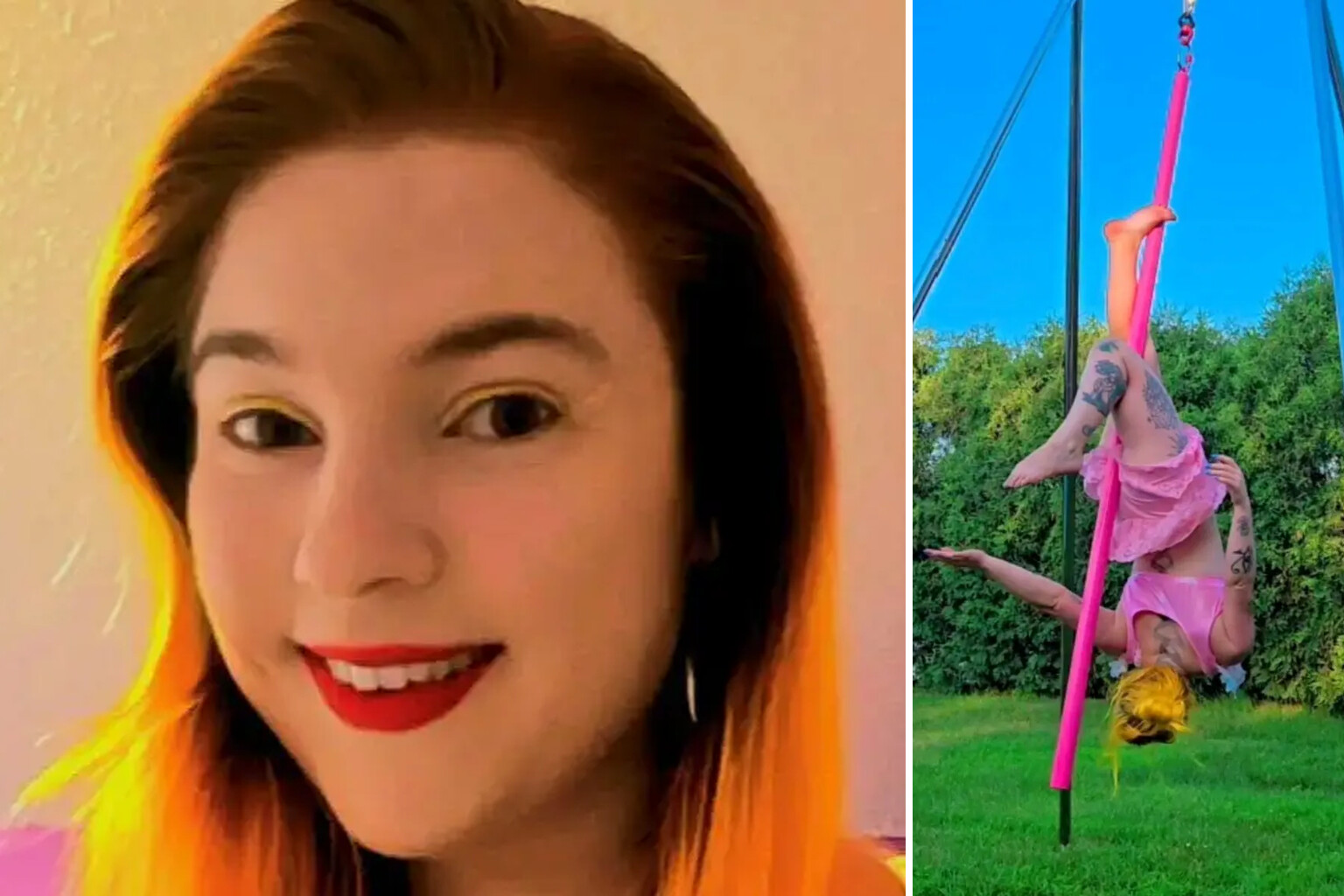
Dayzee Bell, 28, has opened up about losing her remaining friendships after embracing her attention-seeking diagnosis rather than treating it.
The Wisconsin woman was diagnosed with histrionic personality disorder (HPD) in August 2024 after recognizing herself in a true-crime documentary about convicted killer Theresa Riggi. Dayzee had been watching an episode of “Deadly Women” profiling Riggi, the American woman who stabbed her three children to death in 2010 and was later found to have the same condition.

Dayzee said her behavior had long followed a pattern of craving validation from romantic partners and friends alike. “I got married in 2021 because I was so clingy and obsessive for that person’s validation,” she said. The couple separated in 2023 and finalized their divorce in 2024, with Dayzee acknowledging that jealousy had helped end the marriage.
She traced similar dynamics through her other romantic relationships and her friendships. “I was always wanting to tell people dramatic stories and cried in front of colleagues and friends alike, just for the attention,” Dayzee said. Her demands sometimes escalated to asking friends to skip work to spend time with her. “I would ask friends to stay back from work just to spend time with me, but after a while they all got sick of it,” she said.
The need for external approval also overrode physical limits. Dayzee kept performing aerial dancing even as carpal tunnel syndrome worsened in her right wrist, unable to stop because of the validation she drew from impressing audiences with her tricks. “I literally would not look after myself or stop performing despite my wrist feeling worse and worse from aerial dancing,” she said. The injury eventually required surgery in June 2026, forcing her to step back from the activity for at least several months.
That enforced pause has become an unexpected turning point. Dayzee said she is now spending more time alone and working to stop seeking attention and validation from others. “I’ve been enjoying my own company more and making an effort to not look to others for attention or validation,” she said.
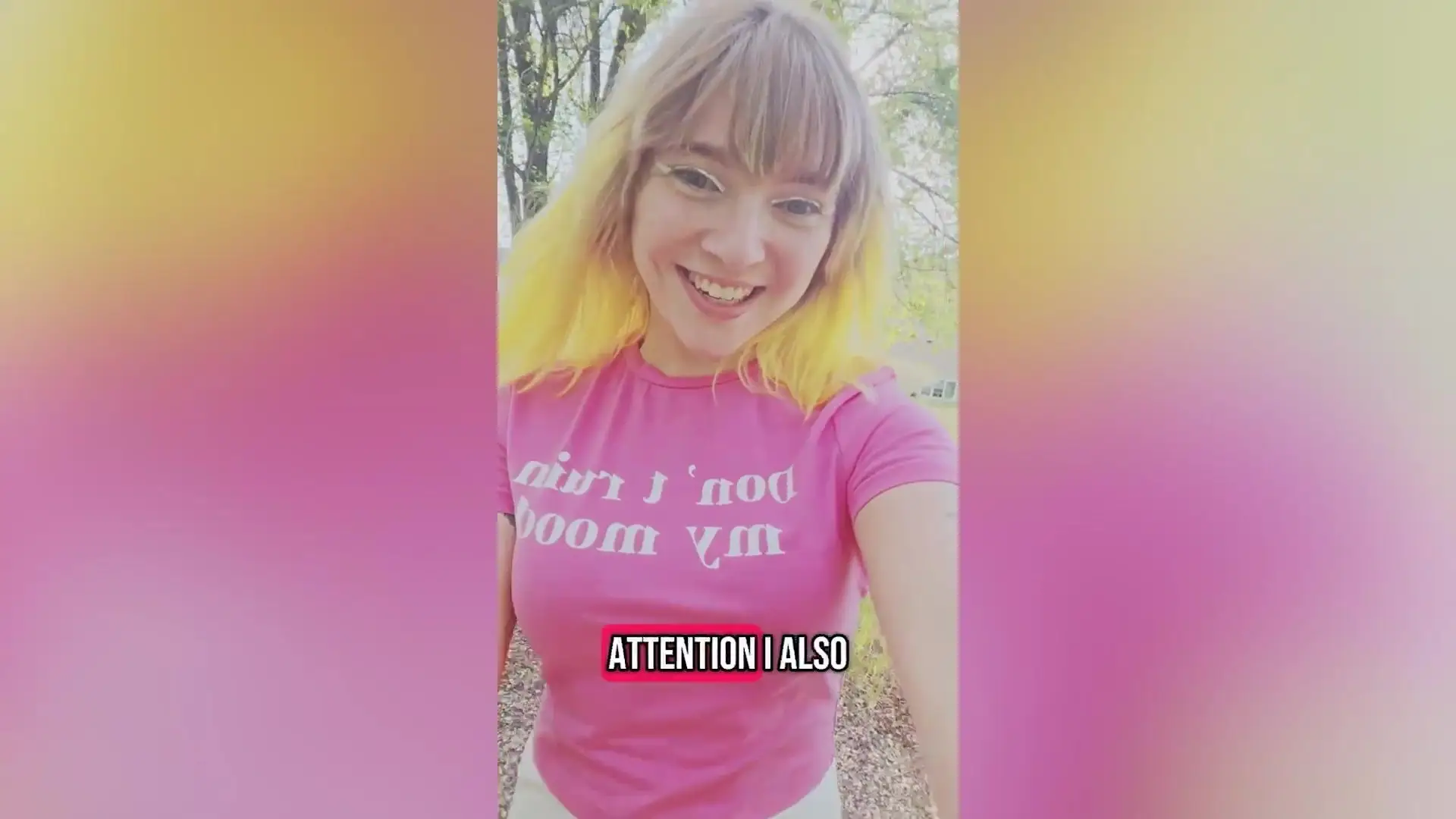
Dayzee can now identify the same behavioral threads stretching back to childhood. She remembers repeatedly checking whether friends were available to hang out and having outsized emotional reactions to being picked last in gym class. “I didn’t feel like I was good enough in gym class when that would happen,” she said. She described herself as shy at the time, internalizing those feelings rather than acting out at school.
Her diagnosis did not immediately prompt change. Dayzee spent roughly a year leaning into the behavior instead, a period during which she lost her last friendships. She does not take medication specifically for HPD and said her treatment now centers on therapy with her psychiatrist.
Dayzee has been filling her time with baking, watching new shows, and singing. She also said she realized this year that she is bisexual and is interested in dating women, using Tinder to meet potential dates and friends. She added that she has recently started talking to a woman on TikTok. “We’ve been connecting the last few days and it’s been really nice finally talking to a new friend,” Dayzee said.