

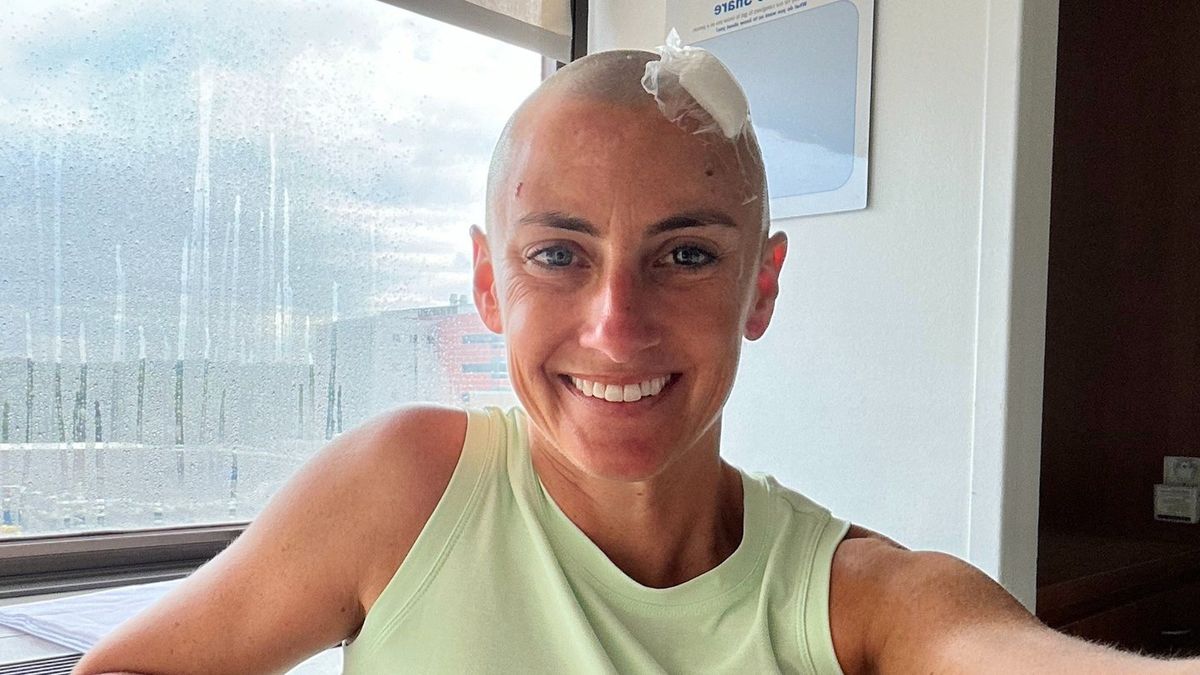
Jessica Krauser, a mom from Columbus, Ohio, spent much of her 30s chalking up a series of odd aches and changes to normal wear and tear — until she learned they were early indicators of Parkinson’s disease.
Her first red flag appeared in 2017, when one leg started to feel unusually stiff. Because she was training hard for a half marathon at the time, she assumed it was simply a consequence of pushing her body.
Not long after, she experienced another moment that didn’t make sense. While trying to read at church, she found it difficult to keep a sheet of paper held up in front of her. Similar issues began showing up while she was at work, where her hands started to tremble more frequently.
Over time, the people closest to her began noticing as well. “My kids would always notice it and ask if I was nervous or scared, but I wasn’t, and thought it was just stress,” she said.
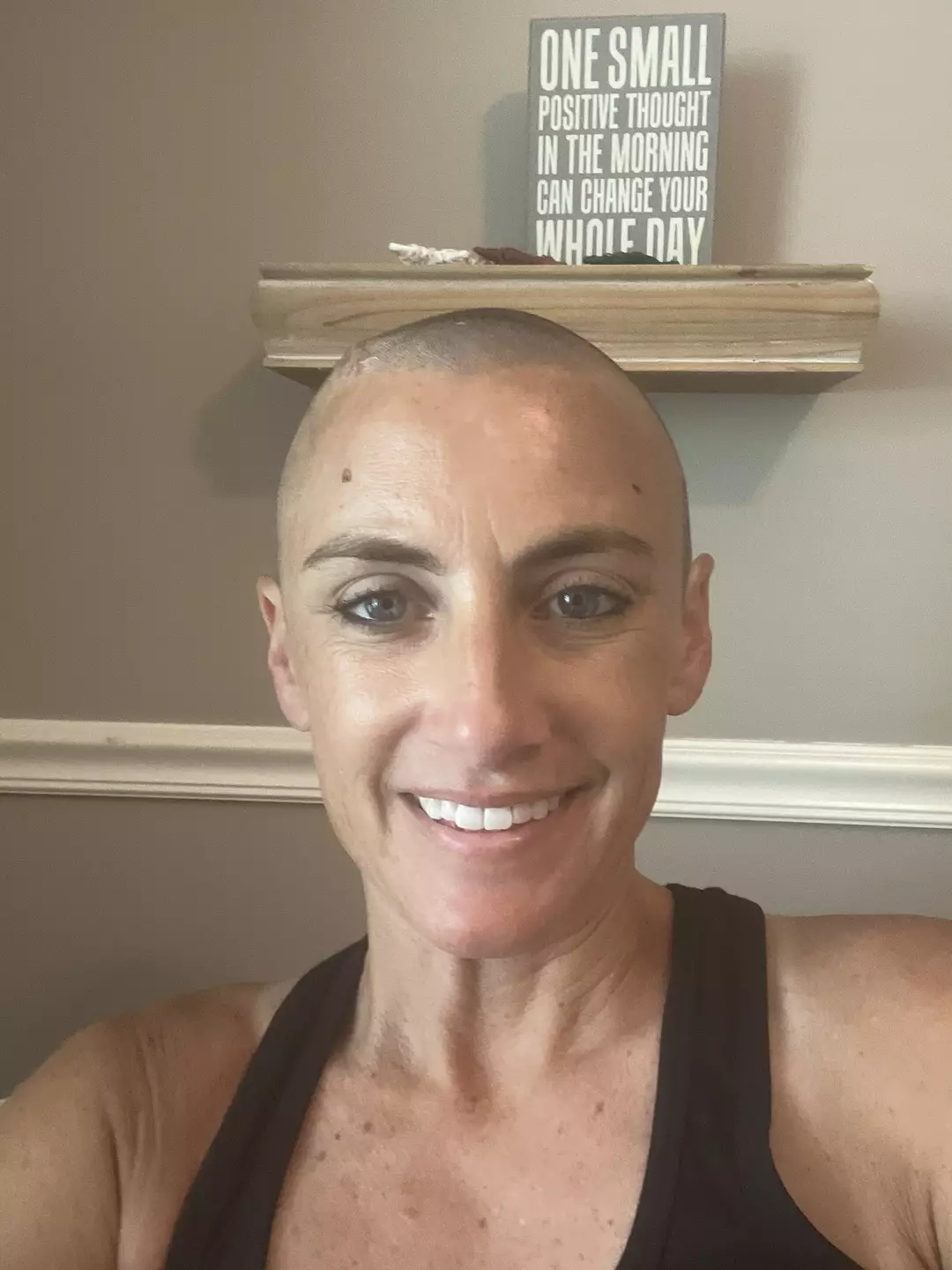
The discomfort in her leg didn’t ease off — it escalated. Jessica said it became so persistent that she often needed someone to massage her calf just to get through the evening. She said: “Many nights someone would have to rub my calf muscle because it felt like there was a tight knot that I just couldn’t get out.”
Now 44, Jessica recalled reaching a point where she knew she needed expert advice. During a routine appointment, she asked her gynecologist for guidance and a referral, and after hearing her symptoms, she was quickly directed to get a neurological consultation.
As she began trying to understand what was happening, her day-to-day functioning started to slip further. One leg began dragging, and routine activities — including typing and preparing meals — became harder to manage.
Looking back, she admitted she didn’t initially link the shaking to a brain or nervous system issue. She said: “I didn’t connect shaking to neurology. I was also 35 at that point, and I was thinking ‘why in the world would I need to see a neurologist?'”
Despite being relatively young for the condition, her symptoms continued to intensify. She decided to consult a movement specialist after a particularly difficult moment on a family holiday, when she couldn’t sit through a meal without her body moving uncontrollably.
Two years after her first leg pain and growing problems with fine motor control, Jessica received a diagnosis: Parkinson’s, a progressive neurological disorder.
Because Parkinson’s is most often diagnosed later in life, often in someone’s 60s, being told she had it in her 30s left her feeling isolated.
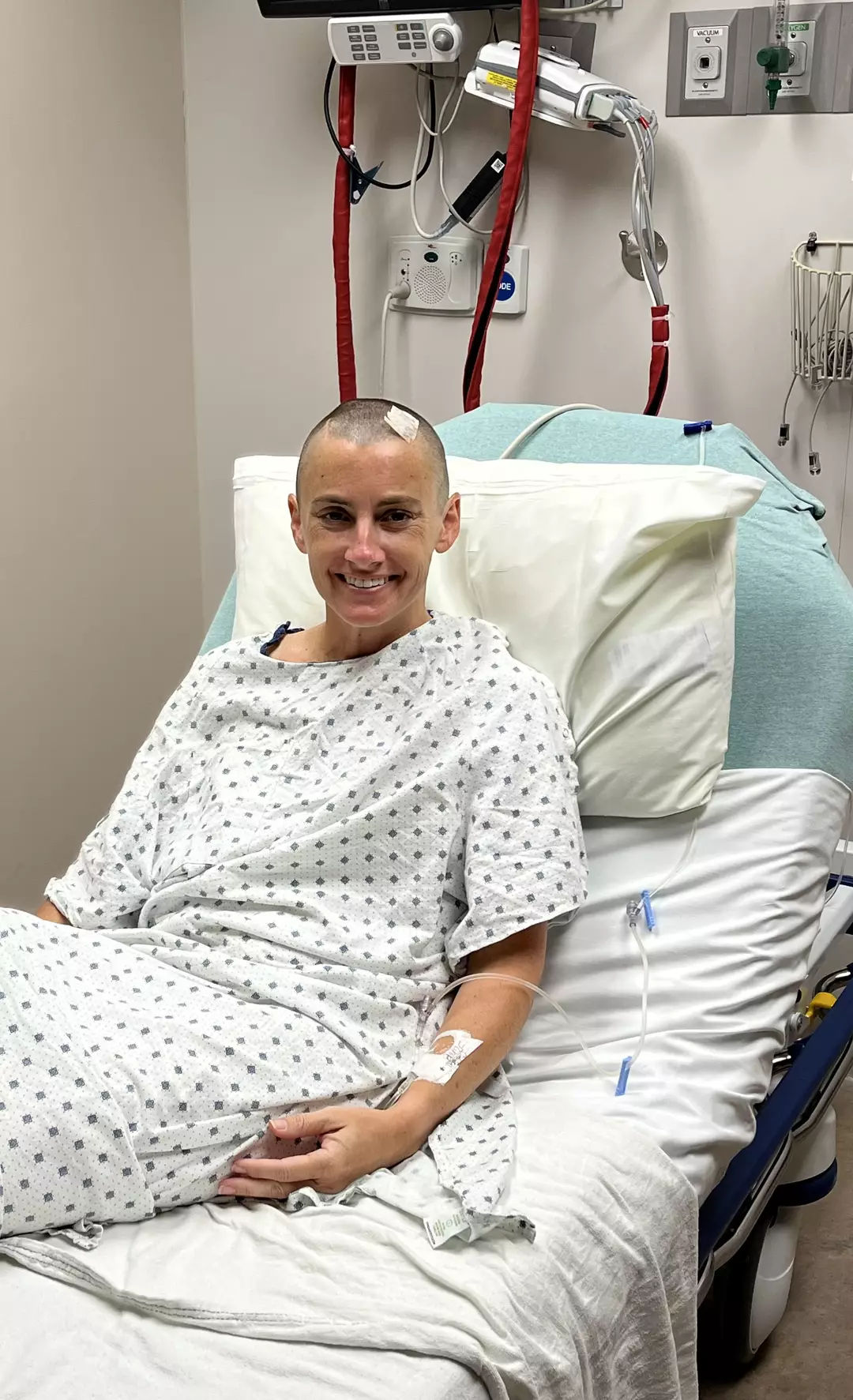
“For me, it was a lonely, hopeless feeling that was just as crippling as the disease can be itself. That’s why finding your community and support system is so important,” she said.
One of the challenges, she explained, is that Parkinson’s can feel hidden — especially in the earlier stages — and may not be obvious from the outside. She said: “My Parkinson’s isn’t always something people can see.
“It was constant and something only I could feel. People tend to think of Parkinson’s as just shaking, but it presents itself in many ways, depending on the person.”
After learning to navigate her diagnosis, Jessica launched a podcast to unpack the realities she lives with and to speak with others facing similar struggles. The show is titled ‘The Secret Life of Parkinson’s’.
Through her work on the podcast, she also learned about a newer treatment option: DBS (Deep Brain Stimulation). The therapy uses carefully delivered electrical pulses to target parts of the brain that influence movement.
In 2025, after other approaches failed to provide enough relief, Jessica underwent brain surgery to have a DBS device implanted to help manage her spasms. Cleveland Clinic neurosurgeon Richard Rammo has explained why DBS was offered to her.
“Most people with Parkinson’s see initial improvement from medications, but for patients like Jessica, some may go on to develop dyskinesia or notice symptom control becomes less consistent over time,” he explained.
For Jessica, the difference after treatment was immediate and profound.
“I found myself just lying in bed in the morning because it felt so nice not to be stiff anymore,” Jessica said. “Before deep brain stimulation, I was either feeling my symptoms, or I was dyskinetic. Something was always going on, and I was constantly thinking about it.
“Now, my symptoms are so well controlled, I wake up every morning and don’t have to think about Parkinson’s. I’m able to focus on other things, like my family and friends.”