


A woman says a delayed diagnosis of a rare skin condition may have contributed to her later developing cancer.
Lorna Riley, from Cheshire in the UK, recalls experiencing symptoms of lichen sclerosus (LS) from a young age. However, she says her concerns were repeatedly put down to thrush, leaving the underlying condition unrecognised for years.
LS can appear on different areas of the skin, though it most often affects the genital region. It’s believed to impact around one in 100 women.
Mayo Clinic lists possible signs and symptoms as: smooth discolored skin patches, blotchy and wrinkled skin patches, itching, soreness or a burning feeling, easy bruising, fragile skin, changes in the tube for urine flow, bleeding, blistering or open sores, and painful sex.
The site also recommends that people diagnosed with LS attend check-ups every six to 12 months so the condition can be monitored. For Lorna, that wasn’t possible for much of her life, as she says she didn’t receive a confirmed diagnosis until she was 35.
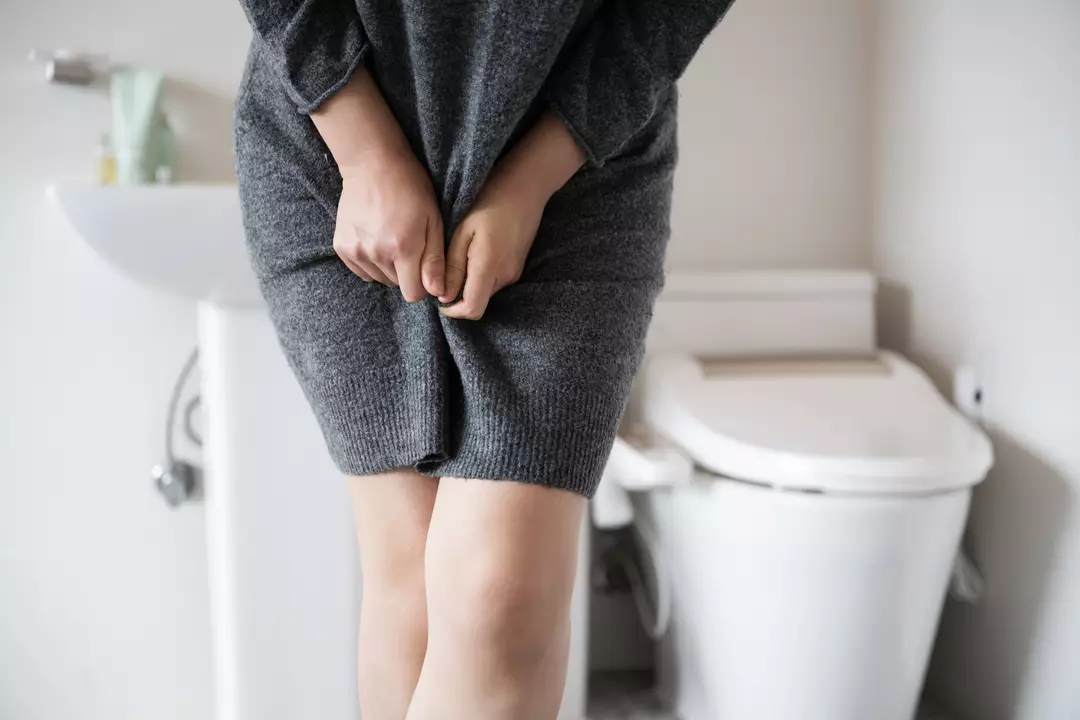
Reflecting on her early symptoms, Lorna said: “My mom took me to the doctor after I flat-out refused to wear woollen tights because they made me so itchy.”
She added: “Throughout my childhood, I suffered in silence and shame with this terrible itch that quietly drove me round the bend.”
Lorna was eventually diagnosed with LS in 2014.
She said the condition is not widely recognised, even among some medical professionals: “I was a pharmacist and even I had no idea what lichen sclerosus was,” adding: “It’s massively underdiagnosed and often mistaken for recurring thrush, exactly like mine was.”
Several years after her LS diagnosis, Lorna developed vulval cancer. The American Cancer Society estimates that about 7,100 people are diagnosed with vulval cancer in the US annually.
In 2022, she noticed a lump on her inner labia, describing it as the “size of a lentil and hard to touch”. She said the discovery also coincided with her LS symptoms becoming more severe.
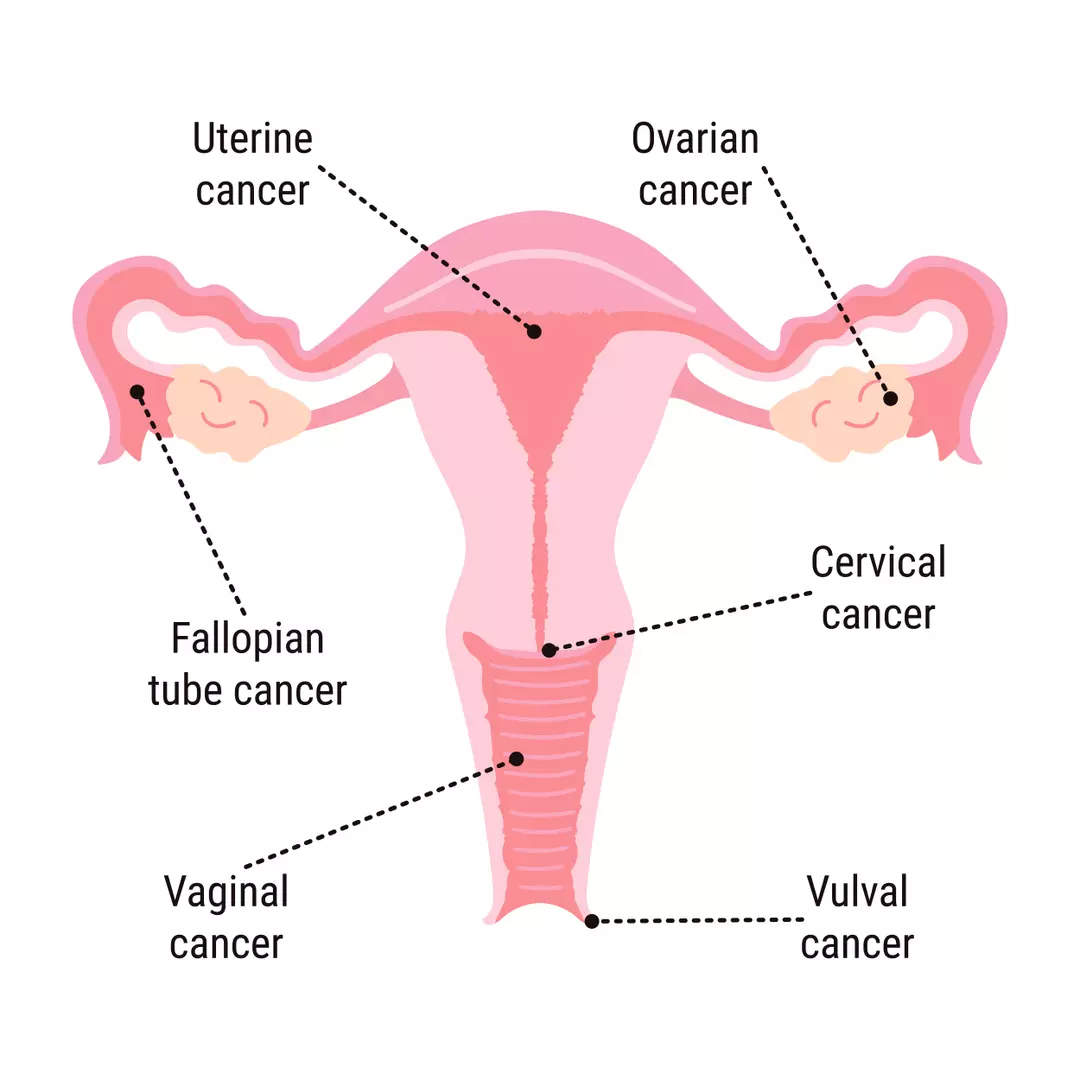
Surgeons removed the cancerous tissue from Lorna’s vulva in April 2023.
She later learned the cancer had not spread and says she is now cancer free. Lorna believes that if LS had been identified and treated earlier, the outcome may have been different.
“I honestly don’t believe I would ever have developed cancer if my lichen sclerosus had been picked up earlier,” the 47-year-old said.
“Once I was diagnosed with cancer, I was given a much stronger steroid cream. There’s strong evidence to suggest that regular treatment with a high-strength steroid cream can stop lichen sclerosus turning into cancer in the first place.”
Now, drawing on her own experience, Lorna is encouraging others to listen to their bodies, seek answers, and avoid dismissing ongoing gynaecological symptoms.
If you’ve been affected by any of these issues and want to speak to someone in confidence, contact the American Cancer Society on 1-800-227-2345 or via their live chat feature, available 24/7 every day of the year.