

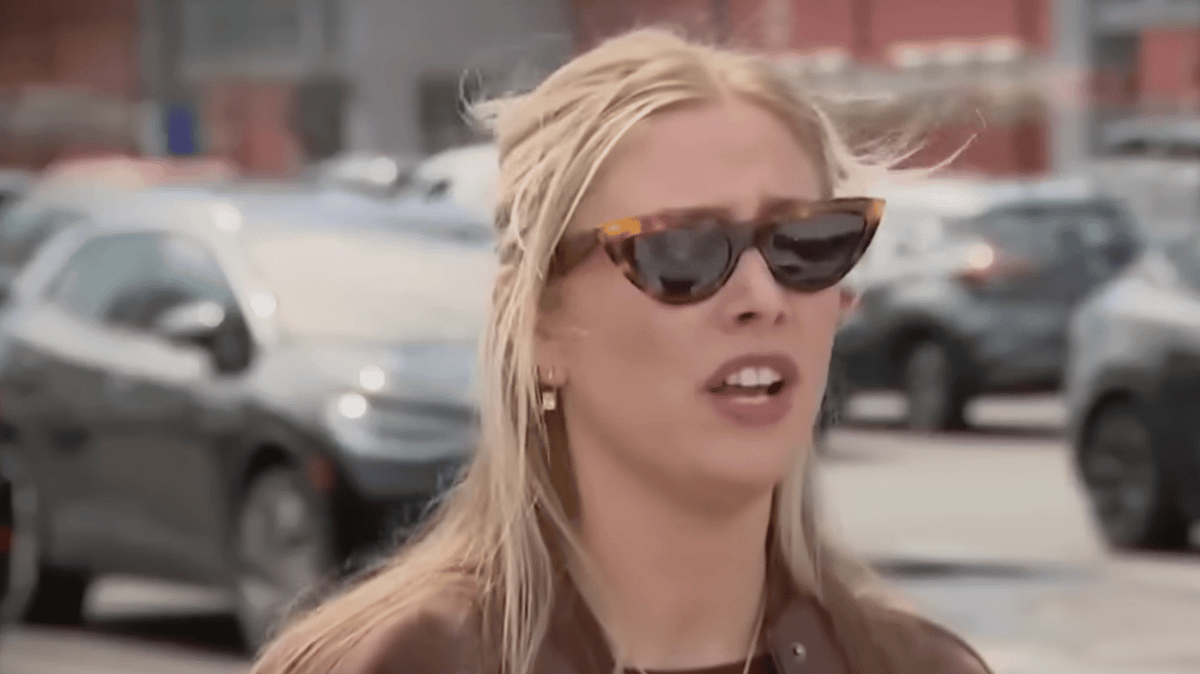
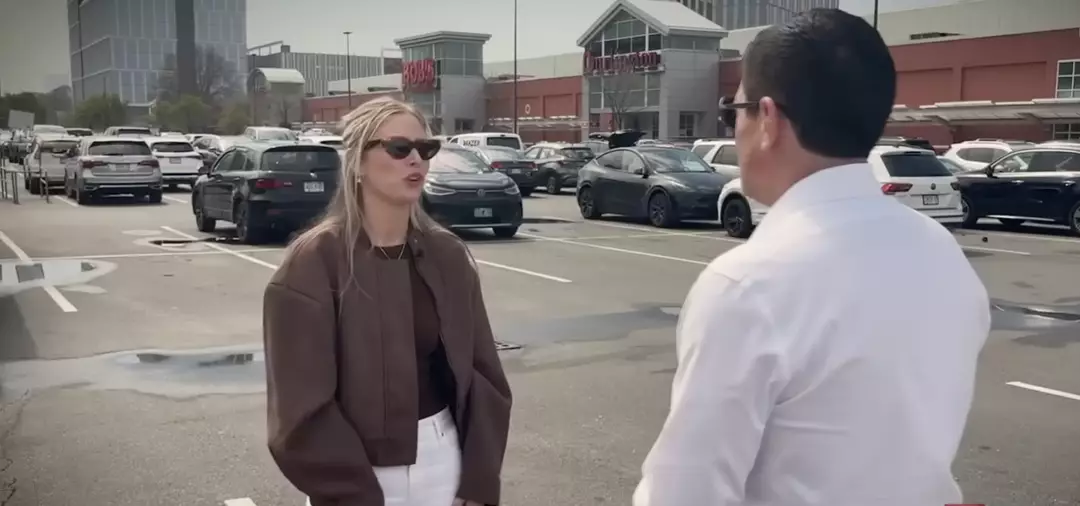
A quick act of kindness in a Trader Joe’s parking lot became a costly lesson for one woman after she says scammers took advantage of her generosity.
Arianna Billias, 30, was doing a routine grocery run outside Boston last fall when someone she believed to be a legitimate charity fundraiser approached her in the parking lot holding a clipboard.
The person asked for a “small donation” to support victims of gun violence. Arianna agreed—but she says the encounter ended with thousands of dollars missing.
“Of course you should stay vigilant and know who you’re donating to, but to me, they just caught me at the right time,” she told WCVB.
She initially consented to a $20 donation and took out her credit card. Arianna says the situation shifted when she was told there was a “processing issue,” and her card was taken from her hand.
Not long after, she discovered the charge had allegedly been changed from $20 to $5,000. Arianna says she saw the amount reflected on her Mastercard balance after checking her Bank of America app.
That’s when she says she realized something was seriously wrong.
“Gut feeling, I felt like something was wrong when the card was out of my physical hands,” she told the outlet.
Arianna contacted her bank immediately after noticing the large transfer to an unfamiliar PayPal account and filed a dispute.
But about six weeks later, she says the bank denied her claim.
“It was my word against the scammers in this case, and they did not side with me.”
The fair trade billing act states: “The liability of a cardholder for unauthorized use of a credit card shall not exceed the lesser of $50.”
Mastercard also advertises zero liability for unauthorized purchases, provided cardholders “used reasonable care in protecting your card from loss or theft, and promptly reported loss or theft to your financial institution.”
Arianna says she never approved a $5,000 payment, and she says there is no signature showing that she did.
Even so, Bank of America reportedly responded: “The chip was read, your PIN was entered, and/or you signed for the merchandise or service.”
Arianna says she was also unable to locate documentation showing the merchant was a legitimate business, which led her to file a police report.
Since then, Bank of America has reopened her dispute and refunded the $5,000.
The type of scheme Arianna says she encountered is often referred to as a parking lot scam, and consumer advocates warn it can be more common than many shoppers realize.
These scams typically involve someone approaching people outside stores with an emotional story and a request for a donation—then using the transaction as an opportunity to steal card information or manipulate a payment amount.