

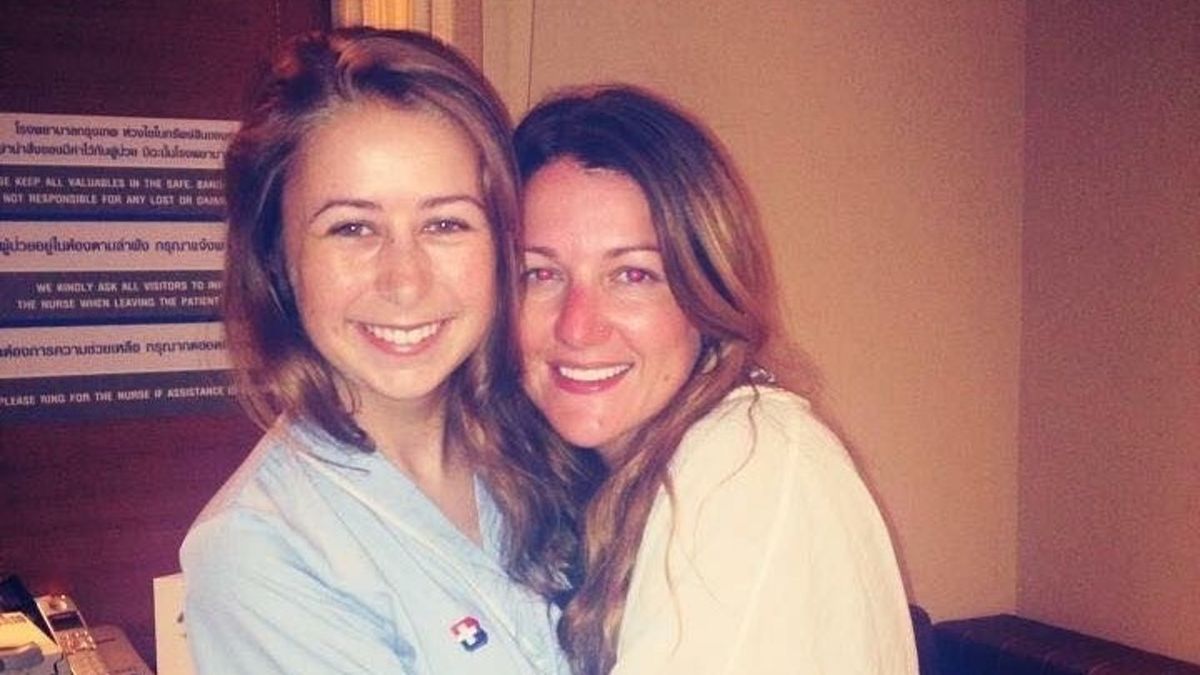
A backpacker was told she had a ’20 percent chance of survival’ after she woke up unable to walk or recognize her loved ones after contracting a serious viral infection.
As friends back home started jobs or moved on to university, Chelsea from Bath chose a different path. After finishing her degree in 2014, she set off to Southeast Asia for a gap year she hoped would be a once-in-a-lifetime experience.
At 21, she arrived in Thailand alone and began volunteering, helping teach English to Thai children.
The trip initially lived up to everything she’d imagined, including time spent volunteering in a tribal village.
But near the end of her placement, she started feeling unwell. The symptoms intensified further after her mom arrived in Thailand for a planned meet-up.
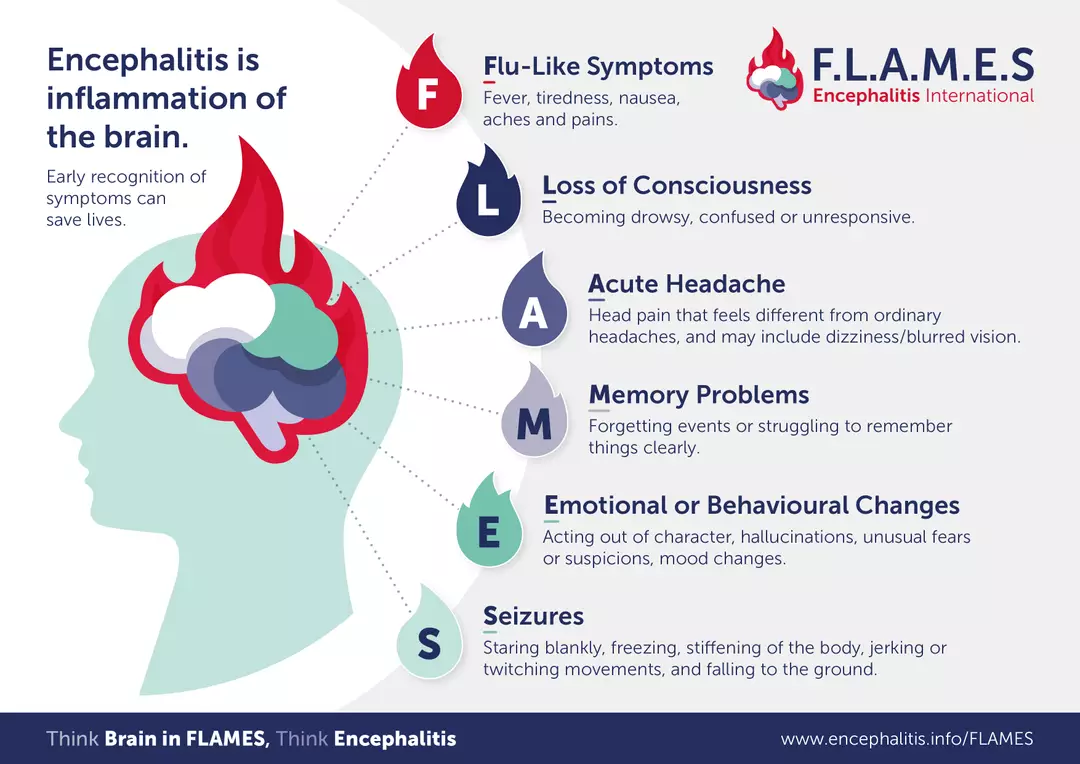
Chelsea, now 33, said: “Initially, the symptoms felt very flu-like — my whole body was aching, I had a severe headache, extreme fatigue, and generally felt unwell.
“I went to a local pharmacist who prescribed me some tablets, and for a short time they actually seemed to help. I felt a bit better over the following week. But after meeting my mom for a two-week holiday in Krabi, my symptoms became much worse.”
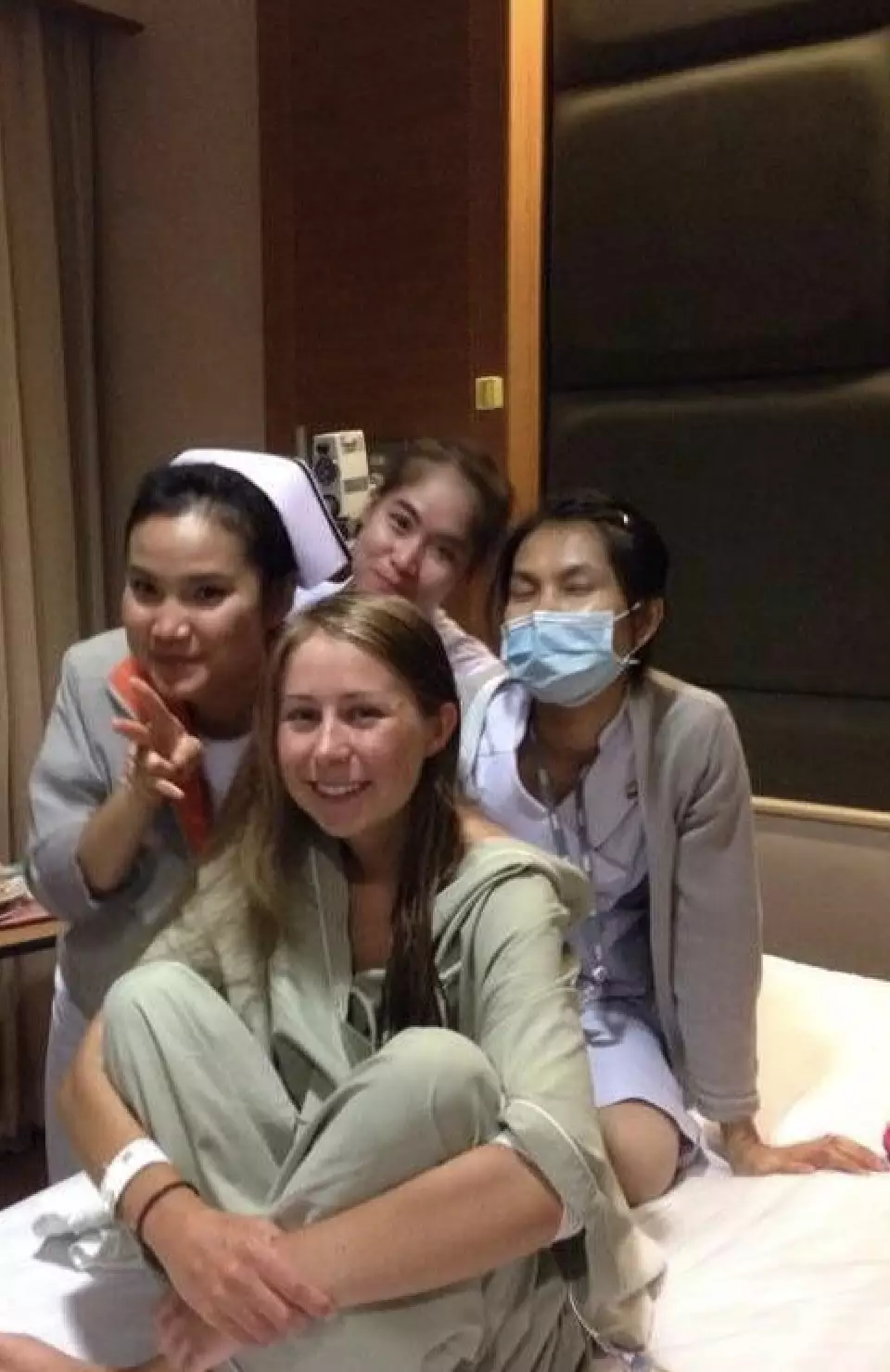
Her condition escalated quickly. Chelsea experienced overwhelming exhaustion and worsening headaches, before her mom found her unconscious in Krabi. Chelsea later went into cardiac arrest after being taken to hospital.
Doctors began treating her for Japanese encephalitis (JE), a mosquito-borne infection. Encephalitis International notes the virus is ‘transmitted by mosquitoes [who] bite mainly during the night or just after sunset’ and is associated with parts of India, China, and Southeast Asia.
As her health deteriorated, she was placed into a medically induced coma.
Chelsea was transferred by private jet to a hospital in Bangkok, while doctors warned her family to brace for the worst.
“I was later told that I’d been given around a 20% chance of surviving, and even if I did survive, doctors believed it was highly likely I would have some degree of brain damage,” Chelsea recalled.
When she eventually regained consciousness, she was unable to stand or walk, and she didn’t recognize some relatives — including her brother.
“Recovery was a long process,” Chelsea added. “When I first woke up, things felt incredibly confusing and unfamiliar, and I had to begin neuro rehabilitation in hospital to relearn basic things, including how to walk properly again.”
Back in the UK, progress remained gradual. She stepped away from both work and university for around 18 months to focus on rehabilitation, and ongoing seizures meant she couldn’t drive for a year — something she said significantly affected her independence.
Over time, her strength and memory improved, and she went on to complete a masters in Neuropsychology.
Even so, the illness continues to have an impact.
She continued: “I struggle quite a lot with fatigue, headaches, and sometimes slight memory problems, especially when I’m stressed or under pressure.
“Although I’ve made a huge recovery, there are still lasting effects that I notice in day-to-day life, and it’s something I continue to manage even now.”
The ordeal has also reshaped how she approaches travel, and she now makes a point of checking what vaccinations are recommended before visiting new destinations.