

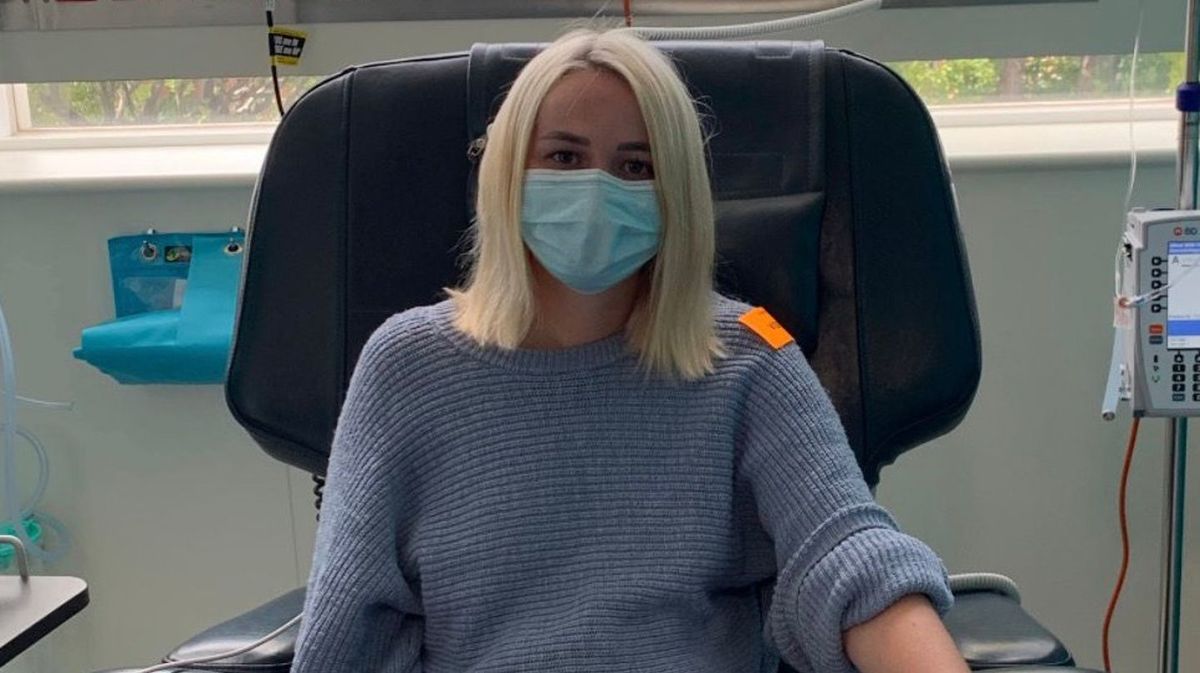
A woman diagnosed with bowel cancer at 26 after a tumour blocked her colon—leaving her unable to keep food down, vomiting for hours after eating and suffering intense pain—said the ordeal showed her “how fragile life is” and has driven her to highlight that “this can be happening to young people”.
Charlotte Rutherford, now 32, was living in Australia in 2020 when she was admitted to hospital with severe stomach pain, vomiting and a total loss of appetite.
Although her symptoms had come and gone for about 18 months, it was only when her condition escalated into what she described as an “emergency state” that a CT scan revealed Stage 3B bowel cancer. The scan showed a tumour obstructing her colon and cancer that had spread to her lymph nodes.
“I was told that when I went into hospital the first time in 2020 that I was maybe 48 hours away from my heart just giving up,” Charlotte told PA Real Life.
“You realise that, really, things can change so quickly – so don’t sweat the small stuff – live life how you want to live.”

Now based in Bristol, UK, Charlotte works as a community manager for cancer charity Mission Remission. She had spent around three years in Australia when, in December 2020, she was rushed to hospital as her previously intermittent symptoms—stomach pain and vomiting—became relentless.
She said she could no longer eat properly, experiencing vomiting episodes lasting up to three hours after meals. She also lost what she described as “a really dramatic amount of weight” and noticed changes in her bowel habits—issues that had been occurring on and off for roughly a year and a half.
“At the time I went into hospital, I was so constipated,” Charlotte said. “But all I can remember is the severe nausea, because, essentially, I was so blocked up and had been for a long time, it was kind of poisoning me.”
After she was admitted, a CT scan identified the bowel obstruction, and doctors said urgent surgery was needed.
Once clinicians reviewed the scan, they asked Charlotte whether there was a family history of bowel cancer.
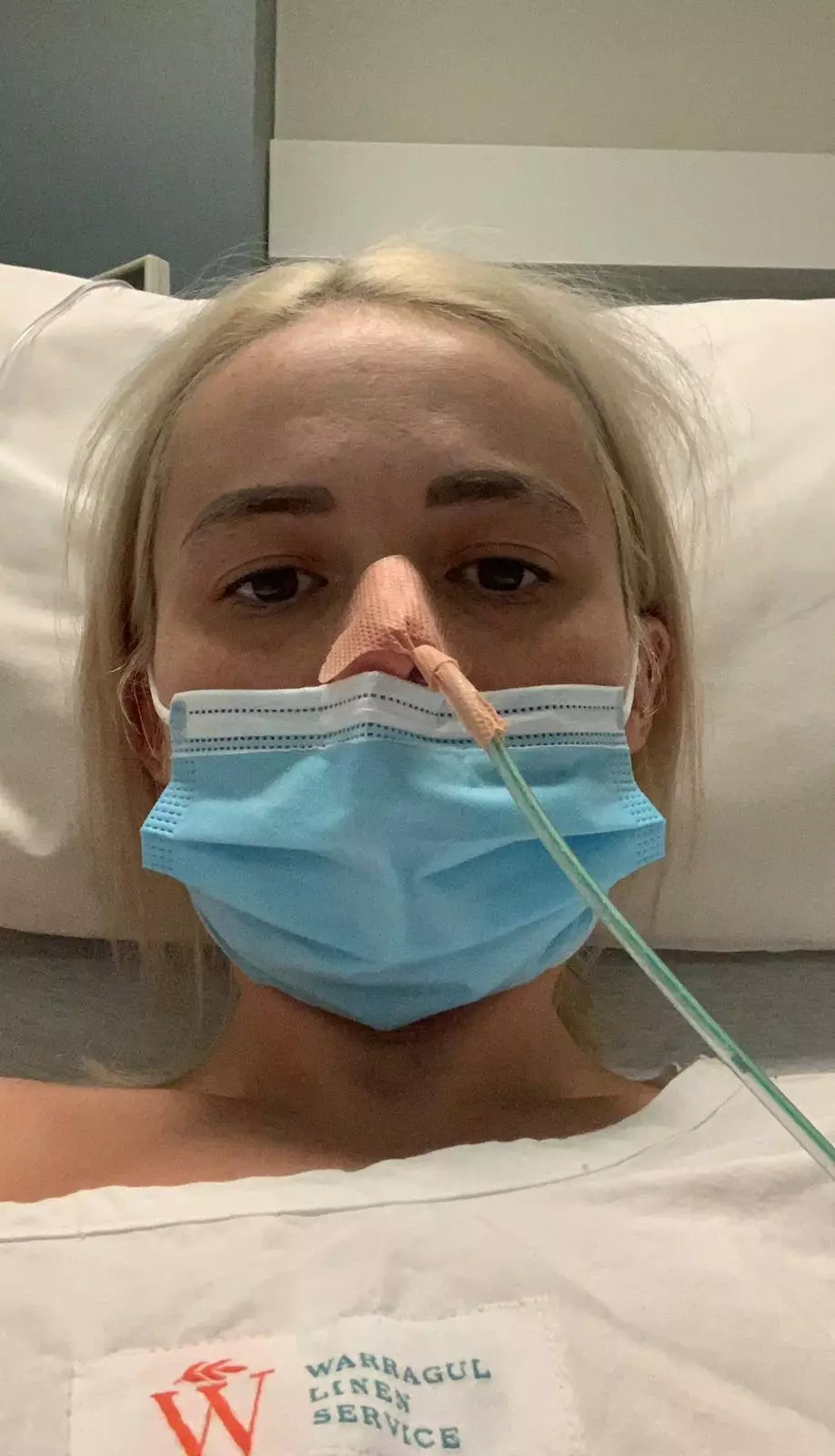
“I said: ‘I don’t have cancer, do I?’ And they were like: ‘We don’t know yet, but we’ll find out,'” she recalled.
On 11 December 2020—less than a day after arriving at hospital—Charlotte underwent surgery to remove the obstruction so it could be biopsied. Six days later, on 17 December, she was told she had advanced bowel cancer, with doctors estimating it may have been developing for three to five years.
Her diagnosis was Stage 3B, because the disease had spread to her lymph nodes.
Although surgeons removed the large tumour and the affected lymph nodes, Charlotte then had 12 weeks of preventative chemotherapy, delivered through a drip as well as oral tablets, to reduce the risk of any remaining cancer cells.
On 6 April 2021, after completing four rounds of chemotherapy, she was told she was in remission.

However, two years later, at a routine check-up she was informed the cancer had returned in her lung. Because it had spread away from its original location in the bowel, she was told it was now stage 4.
Charlotte had the lung tumour removed and, by August 2023, she received news that she was once again in remission.
Now, she wants her experience to prompt others to take symptoms seriously and seek medical advice if something feels off, especially younger people who may not consider bowel cancer a possibility.
“There isn’t quite that awareness still that this can happen to young people,” Charlotte said. “I think that just raising awareness of the symptoms and making sure people have the confidence to get checked if something doesn’t feel right… To not have that immediate thought of ‘you’re too young to have bowel cancer’ is important.”
“I think my whole perspective on life changed (after cancer),” she added. “I say yes to more things. I make sure that all of the time I have is spent doing things that I actually want to do. I think it shows you how fragile life is.”