

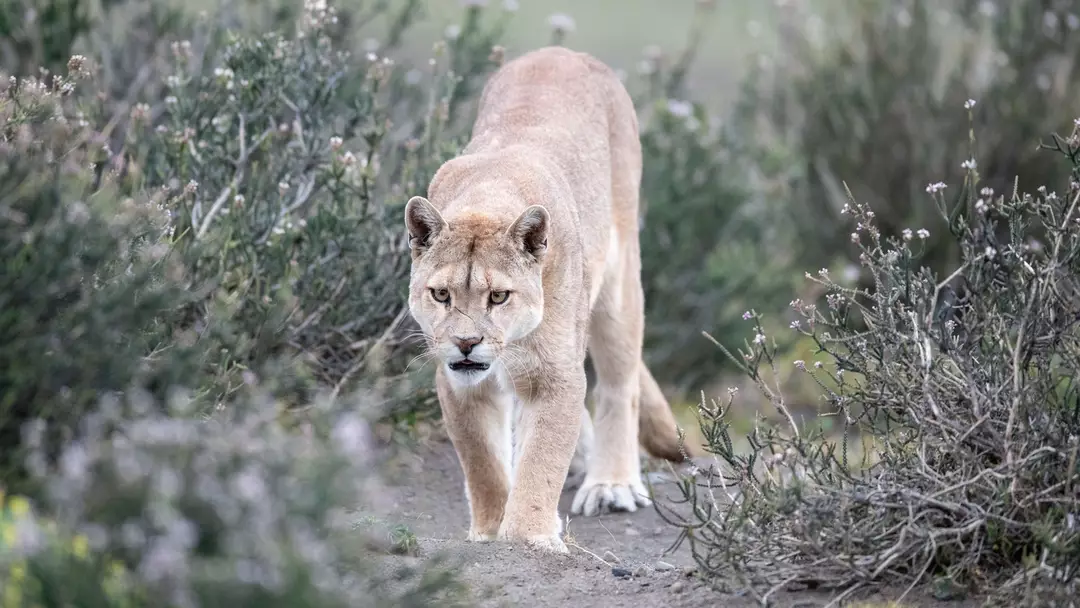
A woman has reportedly lost her life due to a mountain lion attack.
The Mountain Lion Foundation states that fatal encounters with mountain lions are ‘incredibly rare’, with around 29 fatal incidents recorded since 1868, averaging roughly 0.18 attacks annually.
Tragically, this figure may now be 30, as a woman in Colorado is suspected to have been killed by at least one mountain lion. If confirmed, it would mark the state’s first fatal mountain lion attack since 1999.
The unfortunate event took place on January 1 when the woman was discovered lying on the ground about 100 yards from a mountain lion on the Crosier Mountain trail.
Witnesses managed to drive the lion away by pelting it with rocks in order to assist the injured woman, but they were unable to detect a pulse.

In response, two mountain lions found in the vicinity have been euthanized in accordance with Colorado Parks and Wildlife (CPW) policies, which permit the elimination of an animal involved in a human attack to ensure public safety. A search for a third mountain lion is reportedly ongoing, according to 9NEWS.
“CPW pathologists will perform a necropsy on the animals, checking for abnormalities and neurological diseases like rabies and avian influenza,” a press release stated.
“Larimer County Coroner will release the identity of the victim and cause of death.”
The CPW additionally warned: “Along the Front Range and Larimer County, hikers and people enjoying the outdoors should expect to encounter wildlife. Mountain lions are more visible in winter as they follow deer and elk to lower elevations.
“If lions are spotted, make noise to scare them from the area, hold objects overhead to appear bigger and start backing away from the animal. Pets should be kept on-leash and not interact with wildlife.”
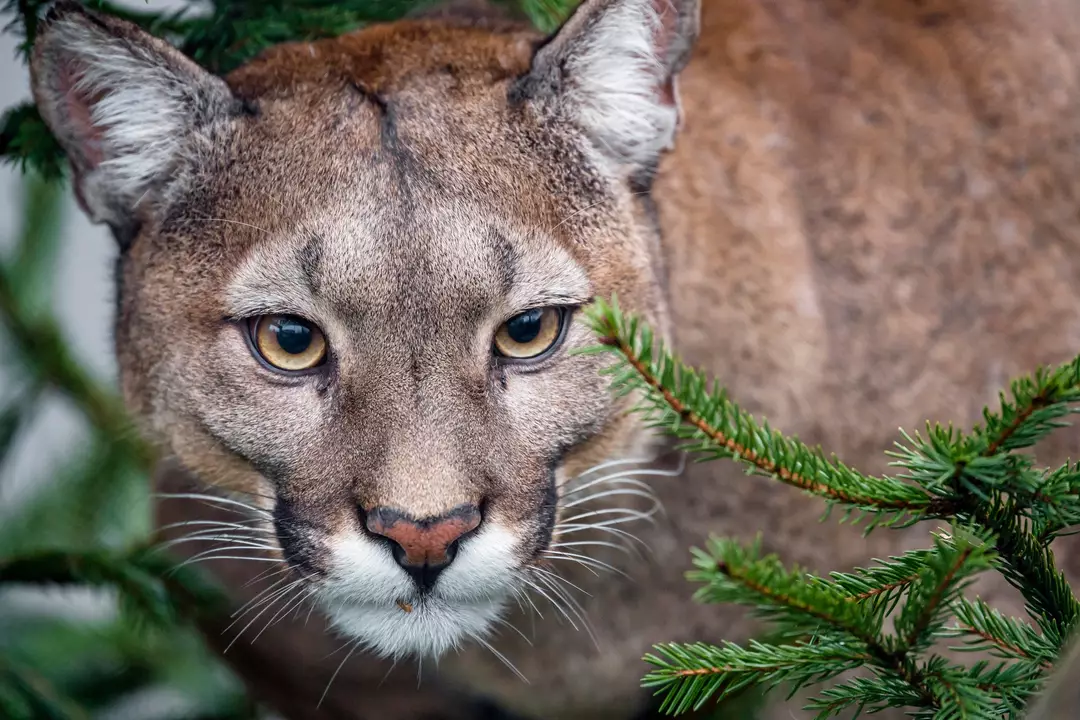
Despite being uncommon, mountain lion attacks pose a higher risk to those engaged in activities like running or mountain biking, according to the Mountain Lion Foundation.
“This may be because the prey response is more easily triggered in mountain lions from these movements,” the non-profit noted. “Additionally, these activities may reduce a person’s ability to respond quickly to a mountain lion and act aggressively, or to notice a nearby mountain lion quickly enough to stop and back away.”
The case of Keri Bergere serves as an example. Bergere was bike riding in Fall City, Washington, in February 2024 when a mountain lion attacked her, holding her in its jaws for 15 minutes.
With the assistance of her friends, she was able to escape the lion’s grip. Although she suffered severe injuries, she remarkably survived the encounter.