

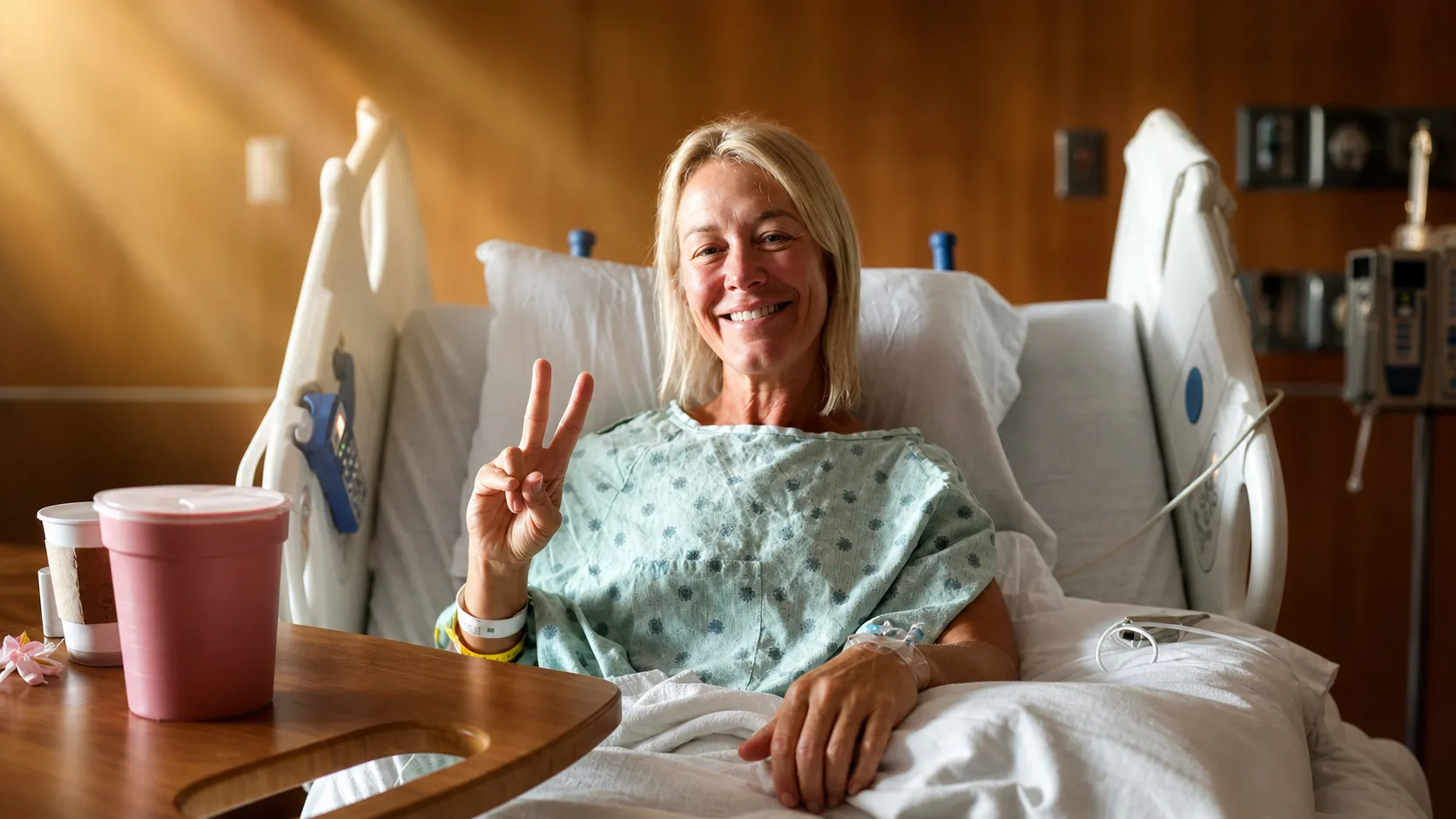
A woman who was repeatedly told not to worry about lumps in her breasts was later found to have cancer after becoming suddenly unwell from drinking just one beer.
Kelly Gunn first discovered an almond-shaped lump in her left breast in 2016. At the time, she was informed it was likely hormonal and related to dense breast tissue.
Dense breasts are common, and the extra fibrous and glandular tissue can make mammograms harder to interpret because both dense tissue and some cancers can appear white on the scan. A “probably benign” assessment typically means the finding is believed to be low risk, but still needs close follow-up rather than being ignored.
In 2020, a mammogram identified a lump in her right breast, which can be an early warning sign of breast cancer. A biopsy later concluded the lump was benign, and Gunn continued with yearly mammograms.
She was reassured again in April 2024 after an ultrasound described the growth as ‘probably benign’.
Not long after that, while living off-grid in Belize, Gunn became sick and started vomiting after having a single beer. Alarmed by the reaction, she travelled back to Virginia Beach for more testing, including another ultrasound and an MRI scan.
Those follow-up investigations revealed stage 1 breast cancer. After undergoing a double mastectomy, doctors found six or seven tumours in her right breast, with one physician suggesting they may have been developing for about a decade.
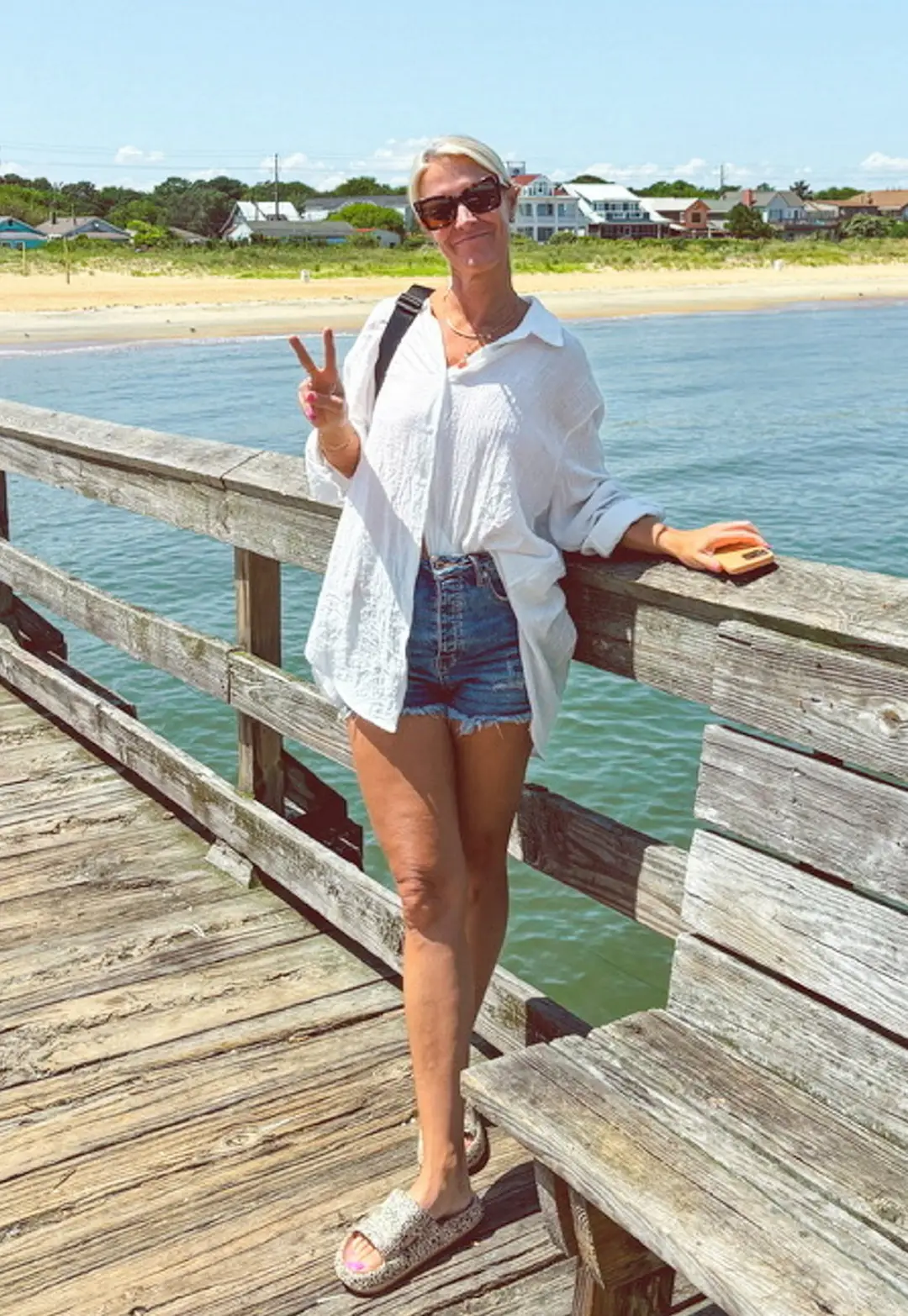
Reported by SWNS, Gunn, now 46, said:
“The doctor came in the next day after my double mastectomy and said I’d made a very good choice having a mastectomy because if I’d had a lumpectomy they would have had to go back in as my right breast had six or seven tumours.
“He said by the size of them I’d probably had cancer for 10 years.
“So that meant my biopsy was wrong; my ‘probably benign’ was wrong.
“They were big enough and growing that long and there were way more in there than even the imaging could find.”
The disease had not spread to her lymph nodes. Testing on the two largest tumours also showed that chemotherapy was unlikely to provide enough benefit to justify the side effects.
Because her cancer was driven by oestrogen and progesterone, doctors first prescribed Zoladex to shut down ovarian function.
After finding the treatment difficult to cope with, Gunn underwent surgery in September 2025 to remove her ovaries and fallopian tubes, placing her into medical menopause. She also takes tamoxifen to block oestrogen.
She said:
“The bones in my elbows hurt to the lightest touch.
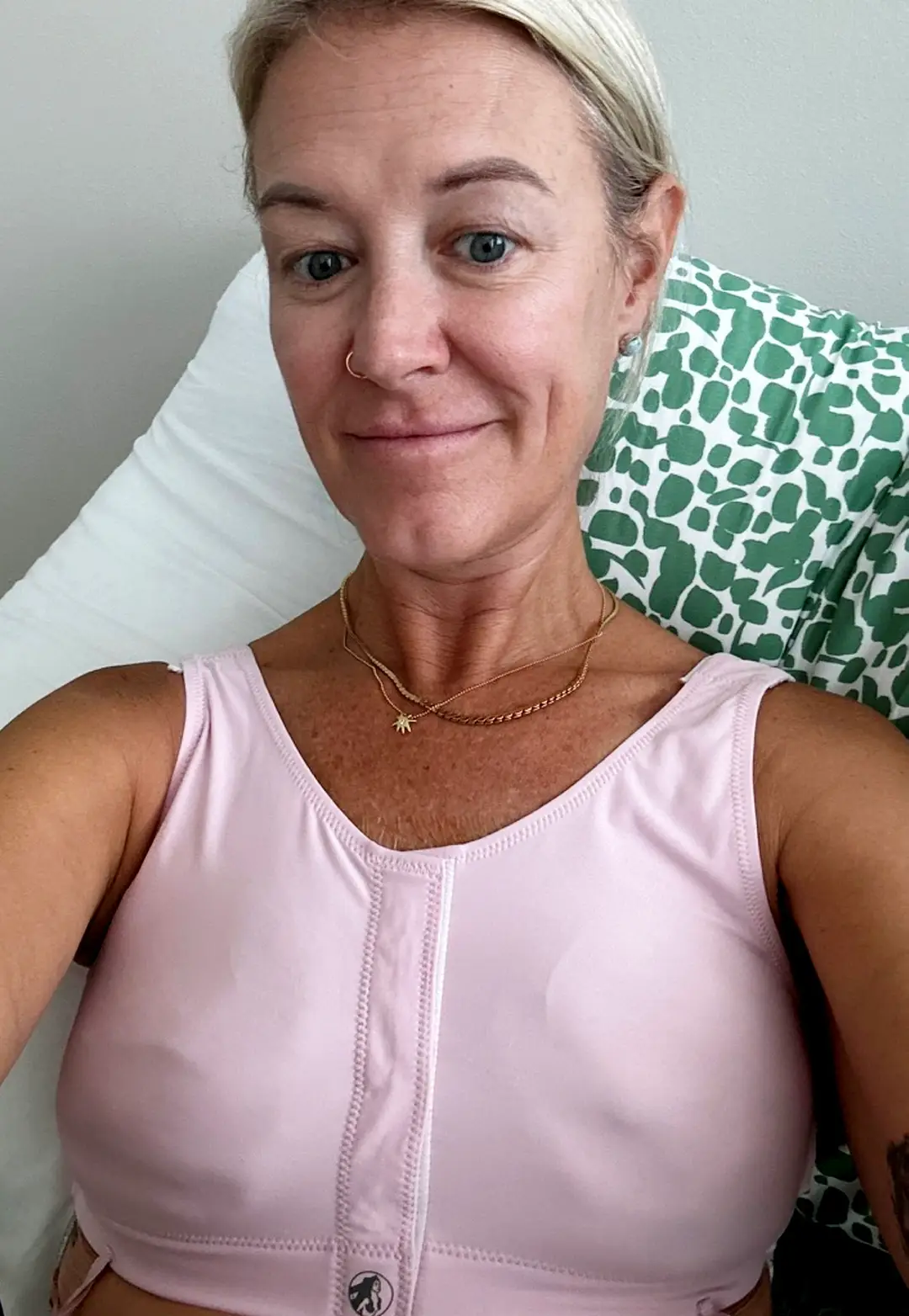
“The tiredness, it’s not something you sleep off, it’s guttural.
“Women have a hard time enough with hormones but I cannot take HRT, I cannot take testosterone or any sort of relief.
“I kind of have to pull up my big girl pants and suck it up.”
Gunn now has blood tests and oncology appointments every three months, though she says the anxiety about the cancer returning has not gone away.
“Just because it didn’t go to my lymph nodes doesn’t mean I don’t have a sleeper cell somewhere,” she said.
“I am never cancer free, there is no finish line to surviving.
“It haunts you for the rest of your life, it sucks.”
Breast cancer experts say it is important to keep pushing for answers if a lump changes, grows, or does not feel right, even after a reassuring scan or biopsy. In women with dense breasts, doctors may recommend additional imaging such as ultrasound or MRI depending on the person’s risk factors and symptoms.
Since then, she has launched Fionix Haus, a community created to support women after cancer. She is also encouraging others to keep pushing for answers if they feel something is not right with their body.
Gunn said:
“With women we have a stigma of ‘oh she’s emotional or hormonal”
“It doesn’t have to be as bad as cancer, if there is something physically wrong it’s worth your piece of mind to get checked out – bang on the right doors and keep on banging.”