

Warning: This article contains themes of OCD pertaining to intrusive thoughts about children, which some may find triggering.
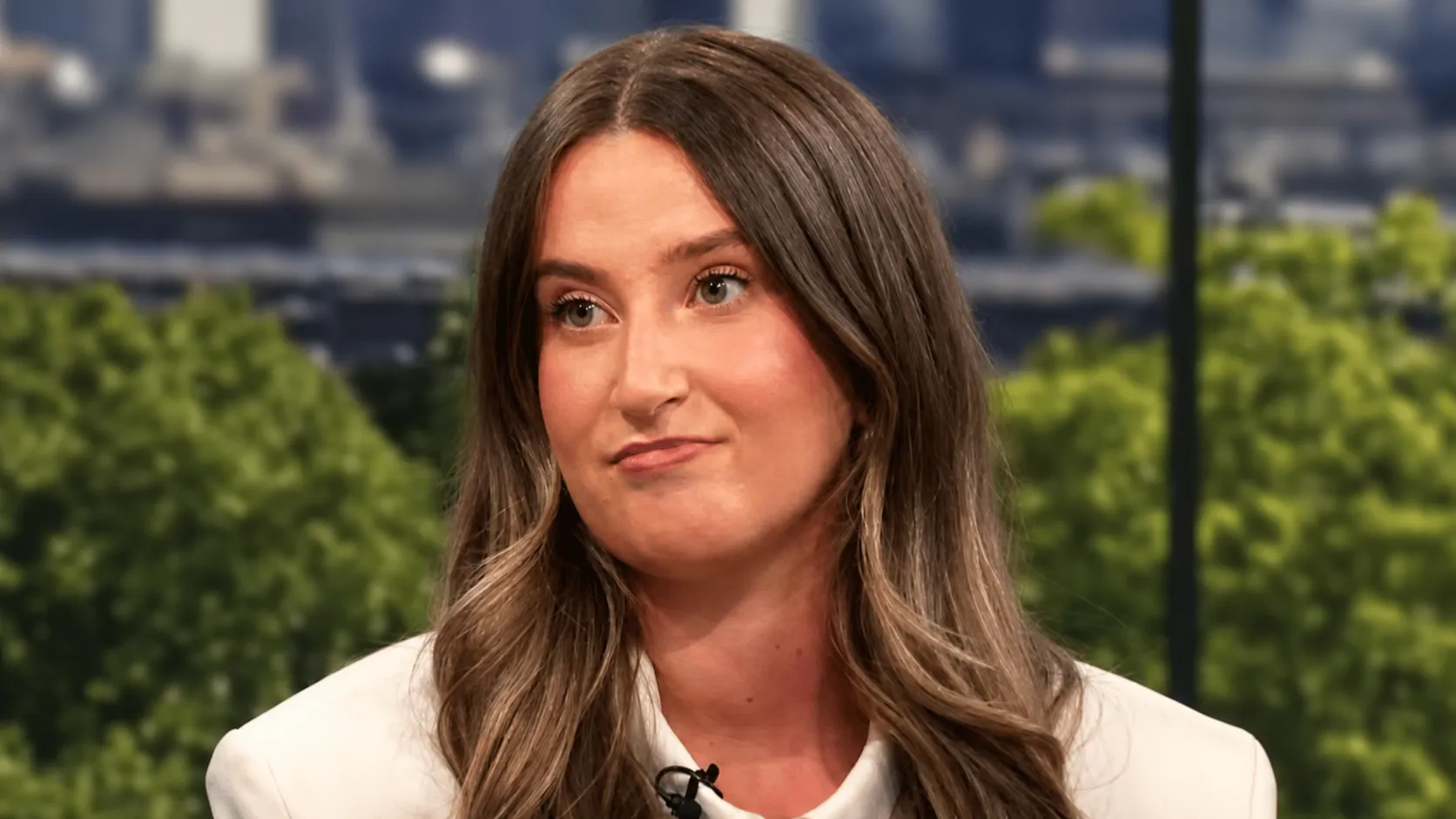
A 22-year-old woman has opened up about how a rare OCD diagnosis helped explain the distressing thoughts that shaped her teenage years.
Molly Lambert has chosen to share her experience to raise awareness of Pedophilia-themed Obsessive-Compulsive Disorder, also known as P-OCD, after years of believing there was something deeply wrong with her.
She said the ordeal began when she was 14, when intrusive sexual thoughts involving children started appearing in her mind. At the time, she did not understand what was happening and feared the thoughts reflected who she really was.
It was only later, after confiding in her parents and seeking professional help, that a therapist identified the issue as P-OCD, a subtype of obsessive-compulsive disorder.
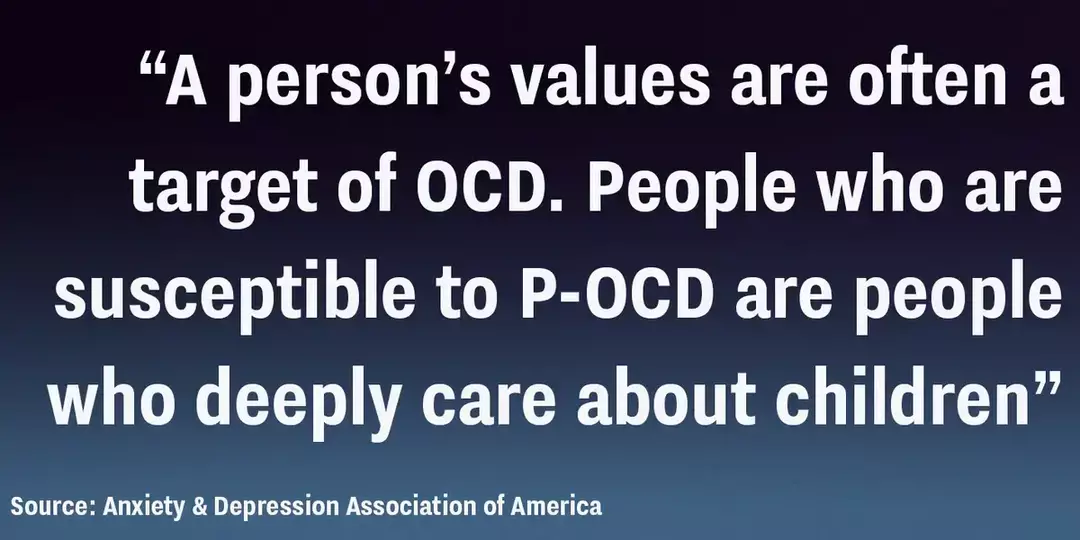
Although the term is not widely known outside specialist mental health settings, clinicians and OCD charities say taboo or “forbidden” intrusive thoughts are a recognised feature of OCD. The thoughts are unwanted, repetitive and deeply distressing, and experts stress that they do not reflect a person’s intentions or character.
Research cited by the National Institute for Health suggests the number of people living with P-OCD may be higher than official figures show, because many sufferers hide their symptoms out of shame and fear of being judged or misunderstood.
That underreporting is one reason the condition can take years to identify. The International OCD Foundation says OCD is frequently misunderstood and that many patients face long delays before receiving an accurate diagnosis, particularly when their obsessions involve subjects they are frightened to disclose.

A key distinction between P-OCD and actual pedophilia is that these thoughts are ego-dystonic, meaning they are completely at odds with a person’s values, identity, and wishes. Rather than reflecting desire, they cause panic, disgust, and intense emotional suffering.
People with this form of OCD may also develop compulsions in response to the fear. Those can include mentally reviewing past interactions, avoiding children or public places, seeking repeated reassurance, checking their physical reactions, or trying to “prove” to themselves that they are safe. Mental health experts warn that these rituals can end up trapping sufferers in a cycle of anxiety and obsession.
Speaking on ITV’s This Morning, Molly described just how severely the condition affected her day-to-day life.
“I couldn’t eat, I lost so much weight, I wasn’t sleeping, I was so terrified to be alone because the thoughts got worse, I’ve never felt so petrified.”
She also recalled the moment the intrusive thoughts first took hold.
“I saw a little girl and I thought ‘oh her outfit is quite inappropriate for a child to be wearing’.
“That whole vacation I was on the beach, and I was like ‘oh my gosh why am I thinking this?’
“Once you’ve had that ‘I’m a pedophile’ thought, for someone with OCD that’s like, I’ve thought that and it must mean something.”
Molly said she was initially hesitant to begin therapy because she feared being judged. In the end, though, she described getting help as the best decision she could have made and said the experience was “amazing” for her recovery.
Specialists say treatment for OCD commonly involves cognitive behavioural therapy with exposure and response prevention, often shortened to ERP, and in some cases medication such as SSRIs. The goal is not to “get rid” of every intrusive thought, but to reduce the fear attached to them and break the compulsive behaviours that keep the cycle going.
Experts also emphasise that intrusive thoughts are not unique to people with OCD. Many people experience unwanted thoughts from time to time, but in OCD they become sticky, frightening and difficult to dismiss, often interfering with sleep, eating, relationships and daily life.
By speaking publicly, Molly is helping shine a light on a form of OCD that remains heavily stigmatised despite being treatable. Mental health advocates say greater awareness can make it easier for people with taboo obsessions to seek support earlier rather than suffering in silence.
If you’ve been affected by any of these issues and want to speak to someone in confidence, please don’t suffer alone. Call Samaritans for free on their anonymous 24-hour phone line on 116 123
or contact Harmless by visiting their website
Alternatively, the Campaign Against Living Miserably (CALM) is there to support you. They’re open from 5pm–midnight, 365 days a year. Their national number is 0800 58 58 58 and they also have a webchat service if you’re not comfortable talking on the phone.