


A woman who was convinced she was developing early-onset dementia was stunned to learn the cause of her symptoms was something else entirely.
Meera Mehat, now 59, spent years searching for answers after her memory began to fail when she was 49. In 2022 — seven years after she first experienced alarming lapses, including forgetting her sons’ names — she finally received an explanation for what had been happening.
As a mother of three, including twins Jas and Kash, 27, and her youngest, Alekh, 25, Meera said the changes crept in gradually. At work, she started struggling to speak confidently during presentations and found herself unable to recall information she once knew easily.
Meera said: “First, I struggled to remember stats when I was training people at work – and I had written the damn training programme.”
At first, she assumed pressure and fatigue were to blame. But as the forgetfulness continued, she began to worry it could be something far more serious.
Meera, from Maidenhead in Berkshire, England, sought medical help and underwent brain scans. Despite her concern, she was told the scans were clear and that her issues were likely related to aging and would eventually pass.
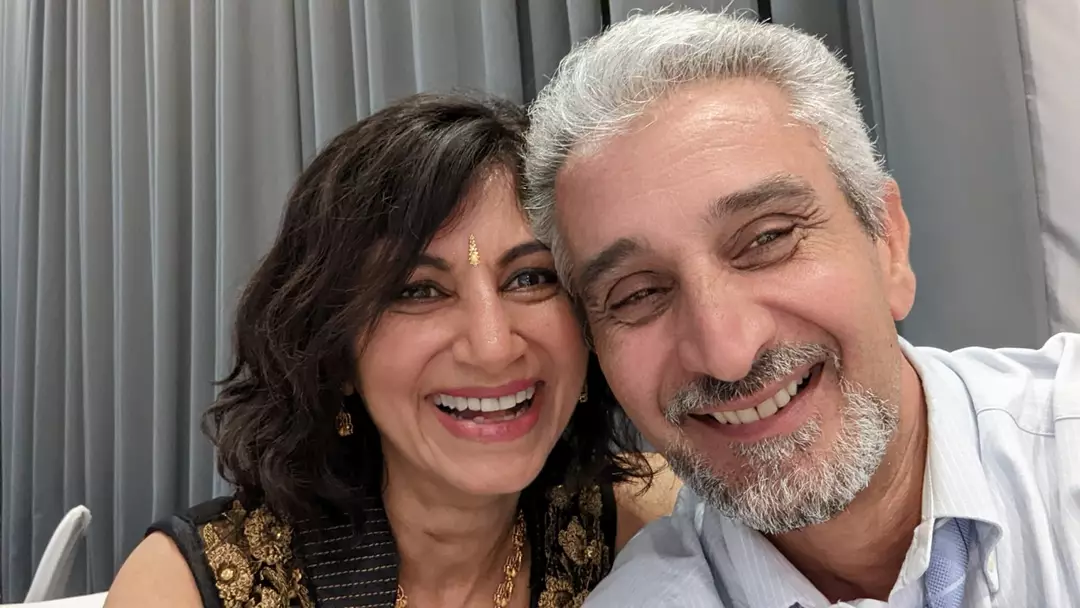
With no clear diagnosis and nothing obvious showing up in tests, she was left living with symptoms she described as frightening, and it took close to a decade before she was given a definitive answer.
Over time, Meera stepped back from both her career and her social life as everyday tasks became harder. Forgetting one of her son’s birthdays only reinforced her feeling that something wasn’t right.
Eventually, after being advised to seek private healthcare, she was told her suspected early-onset dementia was actually tied to menopause. She was recommended a hormone-supportive approach, including dietary changes and supplements.
The Mayo Clinic notes that menopause — most common between ages 40 and 55 — can bring symptoms such as hot flashes, irregular periods, vaginal dryness, night sweats, sleep disturbances, mood changes, and “bran fog”, which aligned with what Meera had been experiencing.

While hormone-related memory problems might sound surprising, Menopause Care reports that around 40 per cent of women aged 40 to 55 say brain fog affects them. The organisation has also published guidance to help people tell the difference between menopause-related memory changes and dementia.
For Meera, improvements came when she stuck to a routine and followed suggestions around movement and meditation, with her recall gradually strengthening.
Meera said: “After seeing the private doctor, I followed the advice and in three months I felt like a complete different person.
“I want to empower other women now – I wonder how many other women are being fobbed off that it’s just a sign of normal aging.”
She changed her diet by cutting out sugar and gluten, reducing dairy, and paying closer attention to getting enough protein.
Meera also started taking estrogen and magnesium, and she said she noticed a significant shift within three months.
Once she began hormone replacement therapy (HRT), she said the symptoms continued to ease and the problems that had disrupted her life began to settle.
Meera said: “I’m pretty much back to normal now – and I’m not scared to go out and meet people any more.”
After her experience, Meera retrained as a menopause educator and went on to create an app designed to support others, called Menopause Meditation.