

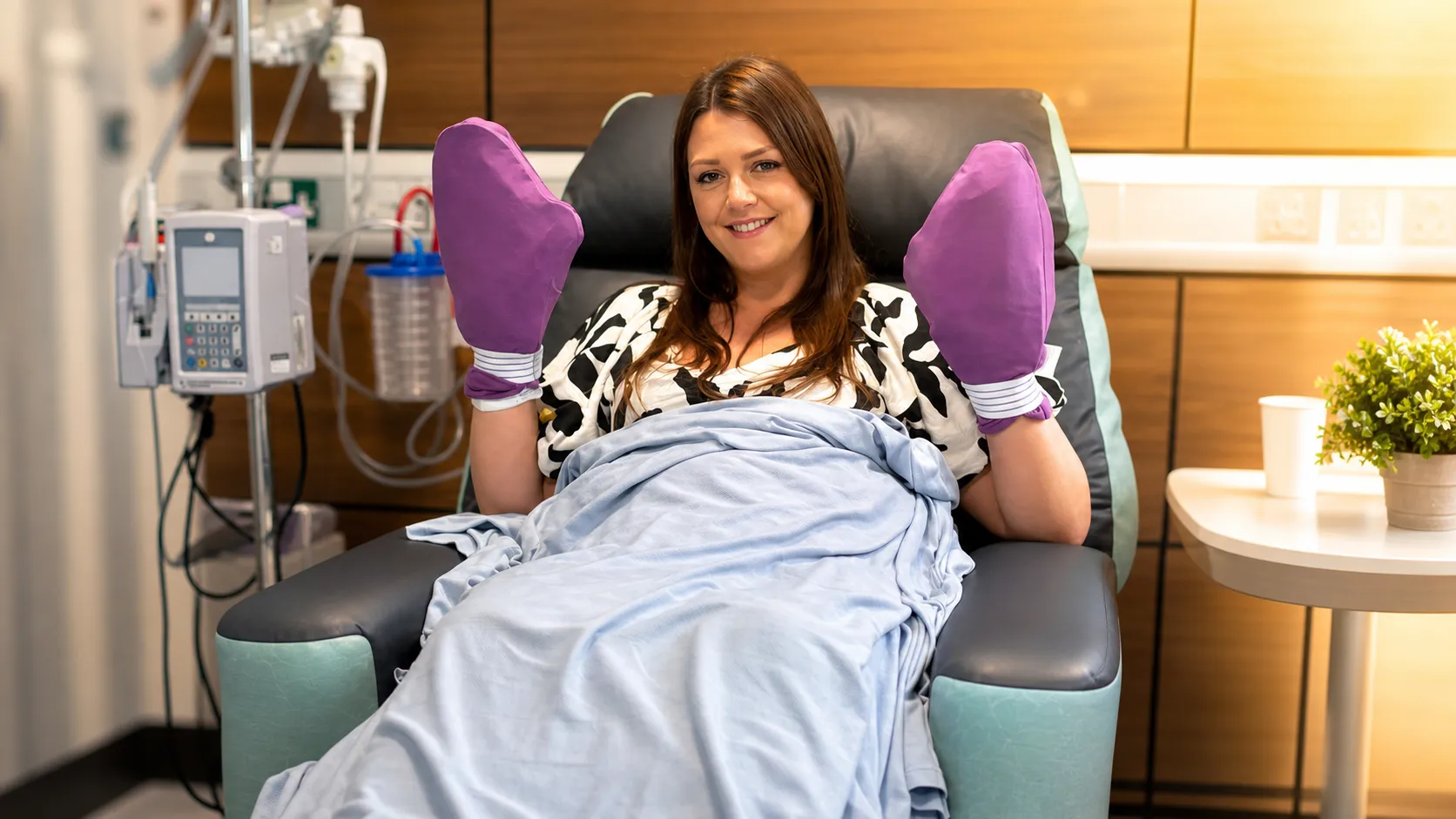
A 39-year-old woman learned she had bowel cancer after a blood donation appointment uncovered low iron levels.
Laura Jackson was ultimately diagnosed with stage two bowel cancer, a diagnosis that was later revised to stage three. Aside from tiredness, she said she had none of the common warning signs typically linked to the disease.
Low iron can be a clue that something is causing hidden blood loss in the body, and anaemia is among the symptoms doctors look out for when bowel cancer is suspected. A simple FIT test, which checks stool for tiny traces of blood that are not visible to the eye, is widely used in the NHS to help decide who needs further investigation.
That matters because bowel cancer symptoms can be subtle and, in some people, the disease may not cause obvious warning signs early on. Common symptoms can include blood in the poo, changes in bowel habits such as diarrhoea or constipation, tummy pain, and unexplained tiredness.
She explained that the exhaustion did not initially raise alarm bells because she assumed it was simply part of life as a busy working mother.
According to Cleveland Clinic, one of the best-known symptoms of bowel cancer is blood in or on the stool. Laura did not notice that symptom, and she was also missing several other signs people are often told to look out for.
Still, she did remember having occasional episodes of diarrhoea, happening up to three times in the year before she was referred for further checks. While constipation and diarrhoea can be associated with bowel cancer, they can also have many less serious causes.
While doctors were trying to find the reason for her low iron, Laura had two positive FIT tests. That prompted her GP to send her for both a colonoscopy and a gastroscopy in May 2025.
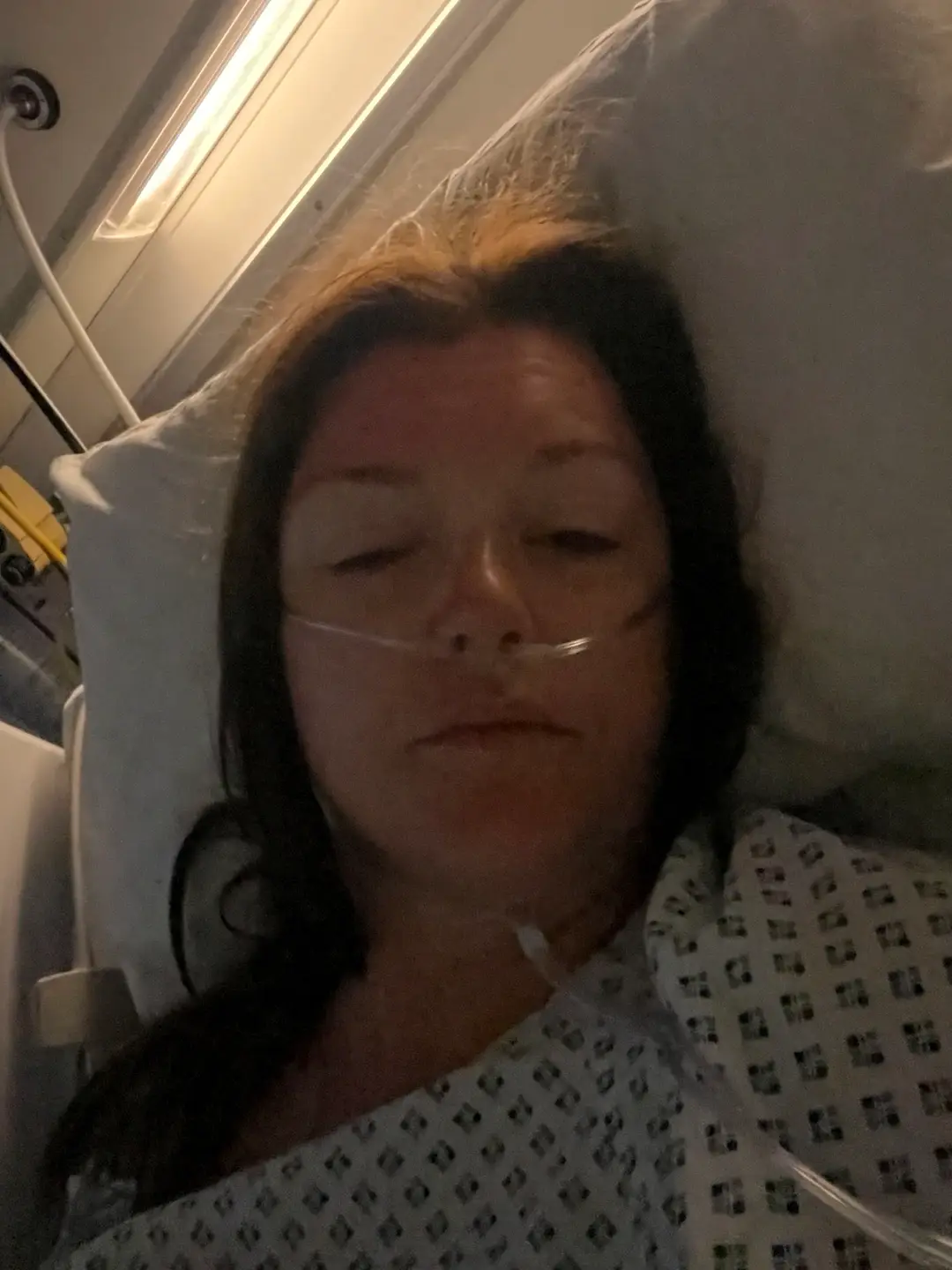
“I don’t want to scaremonger but to raise awareness of the FIT test,” Laura said.
A FIT test, or fecal immunochemical test, looks for hidden blood in stool. Medline notes that this can be an early indicator of cancer.
“It would have been left and would have spread if I’d not had it done,” she added.
“I won’t be the only person with no symptoms that has advanced cancer.”
Laura said her FIT scores were “really high.” Although doctors expected the tests might reveal an issue, she said cancer was not something they had been anticipating.
“It was just the most surreal out of body experience ever,” she said.
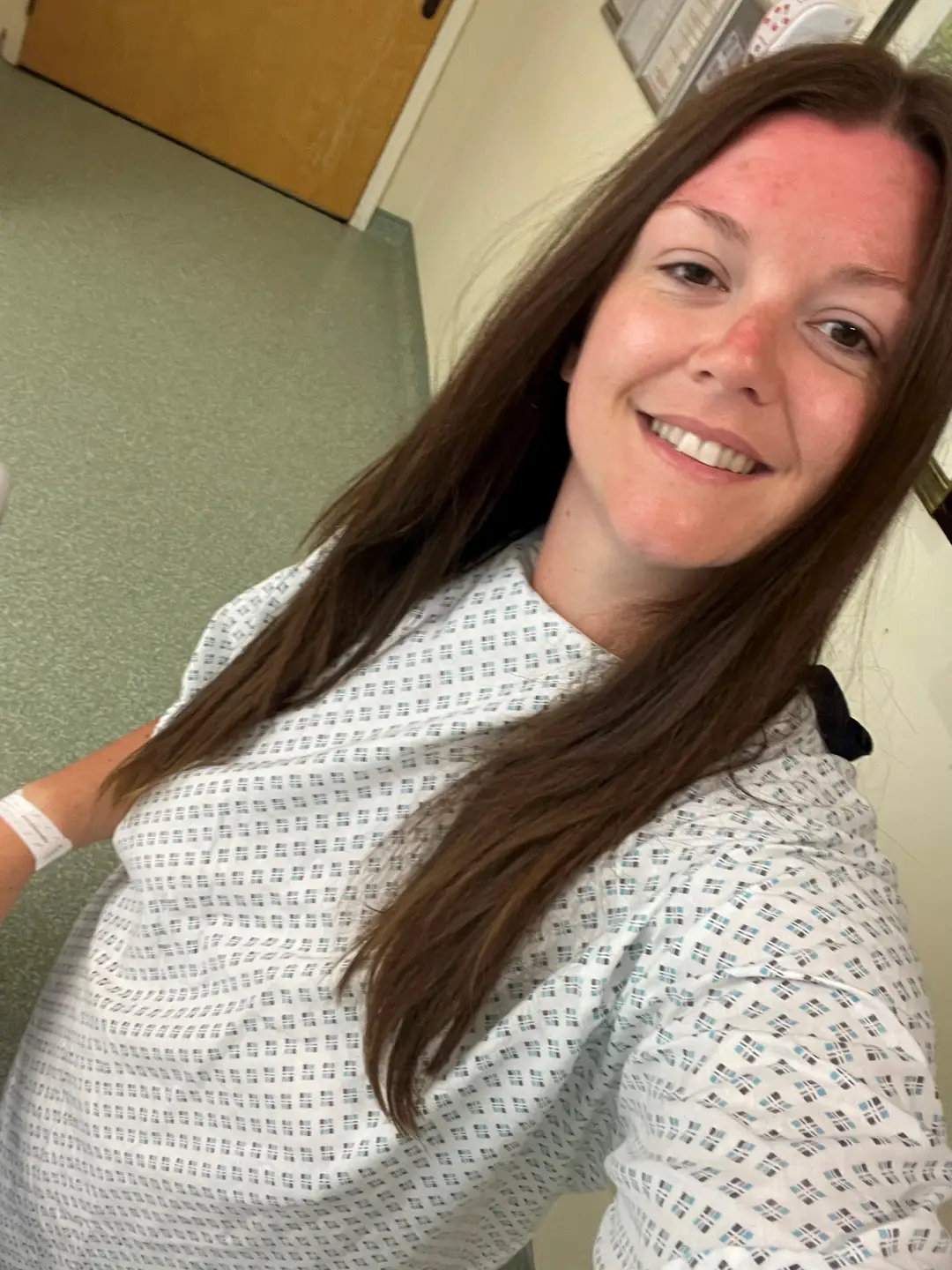
Examinations later found a 5cm tumour in her large intestine, and she was then told she had bowel cancer. Two months after that, she underwent a three-hour operation in which surgeons removed a third of her bowel.
One month later, Laura began four rounds of “mop up” chemotherapy over 12 weeks. She said there is now no evidence of cancer, but she will remain under monitoring for five years before she can officially be considered in remission.
Looking back, Laura said there was one other symptom she had brushed aside.
“Three times a year I’d have stomach cramps and need for a number two but nothing was happening,” Laura said.
She said those episodes would then develop into severe pain and, eventually, frequent diarrhoea.
“Looking back I had a partial bowel obstruction so my body was having a meltdown trying to pass a bowel motion but the tumour was in the way,” she said.
Laura explained that if the issue had been happening every month, she would have gone to her doctor sooner, but because it was so infrequent, she did not think it was serious enough to get checked.
In England, the NHS bowel cancer screening programme now offers FIT kits to eligible adults aged 50 to 74 every two years, with the test designed to pick up signs of bleeding before symptoms appear. Anyone with concerning symptoms, however, should speak to a GP regardless of age.
“My GP saved my life,” Laura told SWNS, as she said she’s sharing her story to raise awareness for others.