

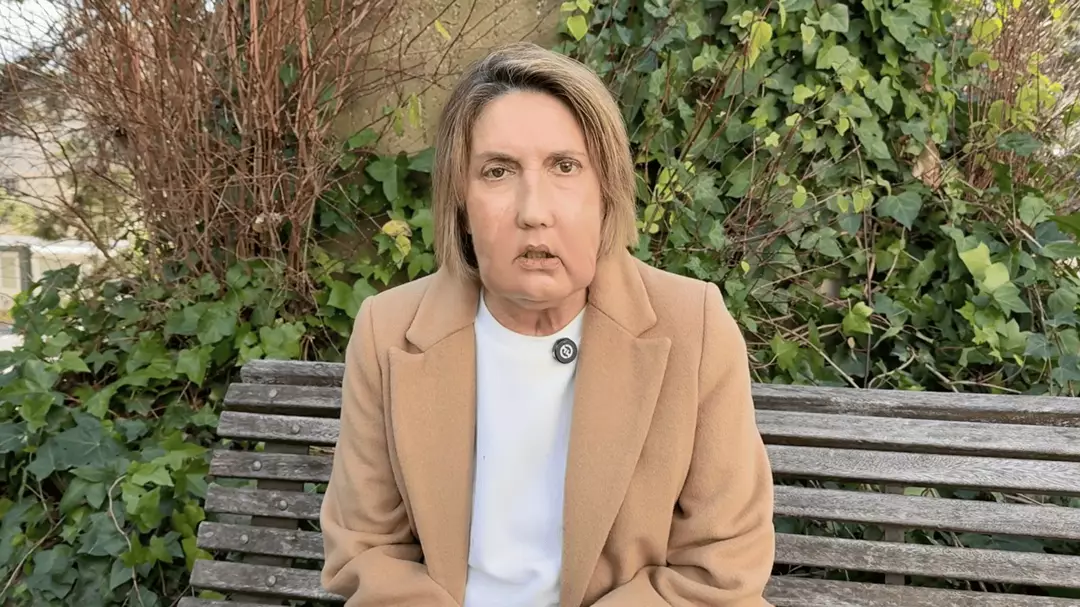
A groundbreaking facial transplant has been successfully completed in Spain, where a woman received a new face from a donor who had opted for euthanasia and agreed to donate her face.
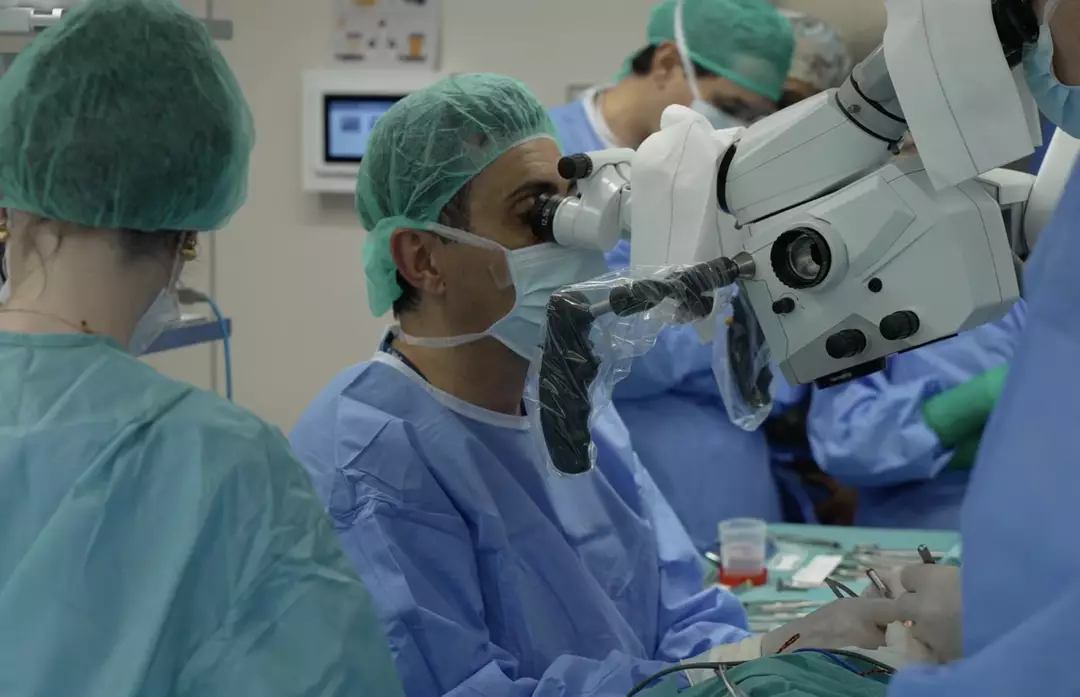
This landmark surgery is one of 54 performed globally since the inception of full facial transplants in 2010. The intricate procedure required the expertise of up to 100 medical professionals and spanned 24 hours.
Carme, the recipient, has undergone extensive rehabilitation and psychological therapy, allowing her to adapt to her new identity and communicate through someone else’s mouth.
This was made possible by the altruistic decision of an anonymous woman who, under Spain’s euthanasia law, chose to end her life and donated her face and organs. She was identified as a compatible match for Carme, whose own face had been severely damaged by necrosis following an infection.
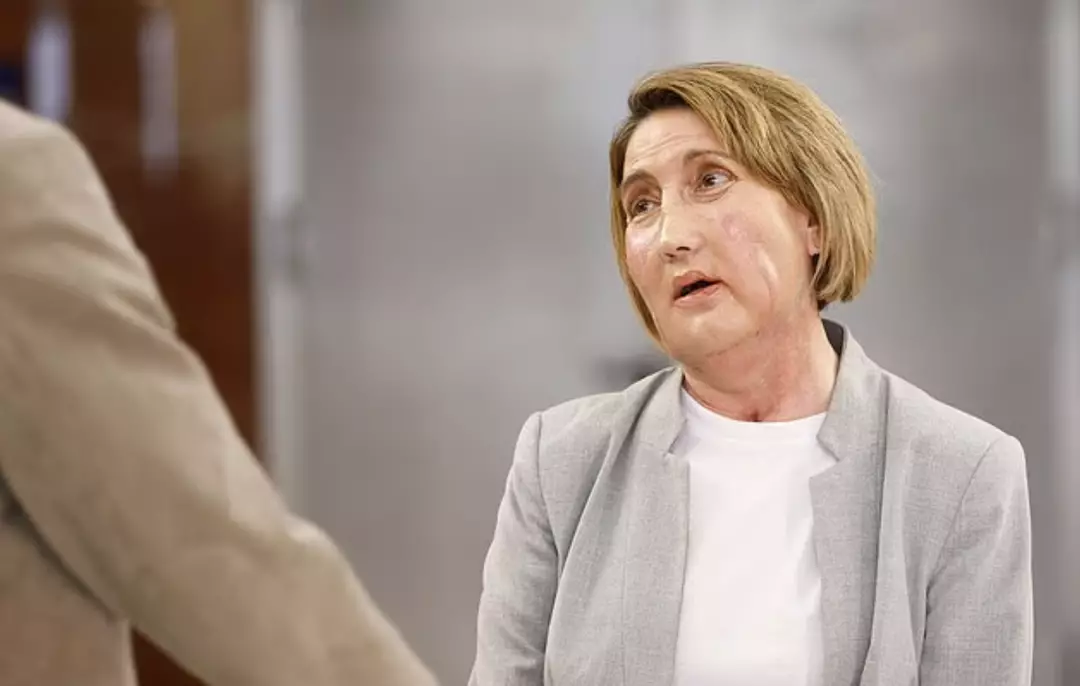
The donor underwent facial removal surgery prior to the euthanasia process, which was legalized in Spain in 2021. This operation marks the first instance of a face transplant from a euthanasia donor worldwide.
Dr. Elisabeth Navas, Medical Coordinator at Vall d’Hebron University Hospital, praised the donor’s profound altruism: “Donors and their families always perform an immense act of generosity and altruism, but this case also demonstrates a level of maturity that leaves one speechless.”
The complex transplant involved the transfer of a significant portion of composite tissue from the donor’s face, executed by the hospital’s skilled plastic surgeons.
This advanced technique meticulously reconstructs the intricate network of nerves, veins, and muscles to form a functional face, a task achieved by only a few surgeons globally.
Dr. Nerín, head of plastic surgery at the Barcelona hospital, explained: “Face transplantation is a functional surgery, carried out when a patient has lost areas of the face, such as the orbicular facial muscles and eyes, which cannot be restored through standard Plastic Surgery techniques.”
Compatibility for the procedure requires the donor and recipient to share sex, blood type, and a similar facial structure. Psychological and cognitive evaluations are conducted to ensure the recipient is prepared for the transformative change.
Once a match is confirmed, CT scans of both individuals provide surgeons with essential references for the transplant. The post-operation phase involves significant hospital time for immunotherapy to prevent rejection and to relearn facial movements.
Dr. Issa, head of rehabilitation, stated: “Initially, the patient’s face is in a hypotonic phase, without movement, because the nerve connections are not yet established. We work with the face to stimulate innervation, using tools such as mirrors, different textures, images of the patient to recall movements and visual perception of the face.”
With her new face, Carme can now recognize herself in the mirror once more. She expressed, “When I’m looking in the mirror at home, I’m thinking that I’m starting to look more like myself.”