

Warning: This article discusses OCD and includes references to intrusive thoughts involving children, which some readers may find triggering.
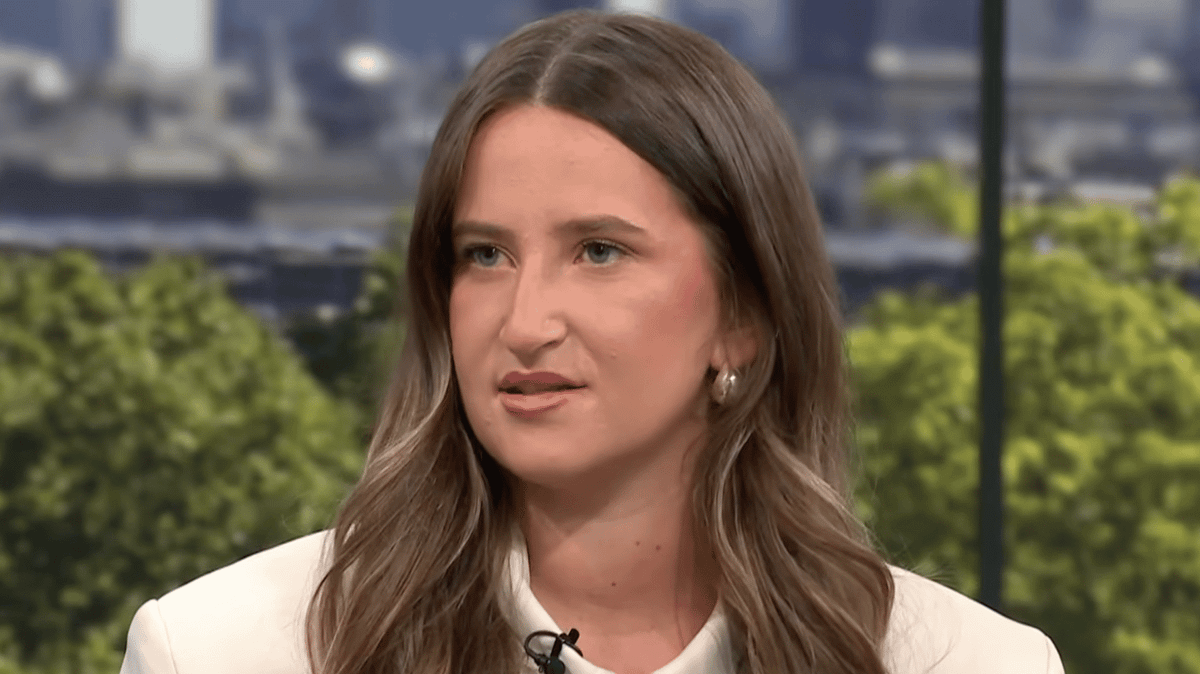
A 22-year-old woman has spoken about how distressing obsessive thoughts affected her daily life, after later learning she was experiencing a form of OCD known as P-OCD.
Molly Lambert says she was already in a difficult period when intrusive thoughts began to dominate her mind, leaving her struggling to eat, sleep, or cope with being alone.
The content of those thoughts revolved around children and a fear that she could be attracted to them.
At the time, Molly didn’t realize what she was experiencing was linked to obsessive compulsive disorder — specifically a subtype commonly referred to as P-OCD.
Appearing on ITV’s This Morning today (June 8), she described the heavy impact it had on her mental wellbeing.
She explained that it started with a moment at an airport, when she noticed a young girl’s outfit and thought it seemed inappropriate as she was heading off on vacation.
After that, the anxiety and intrusive thinking became something she faced every day.
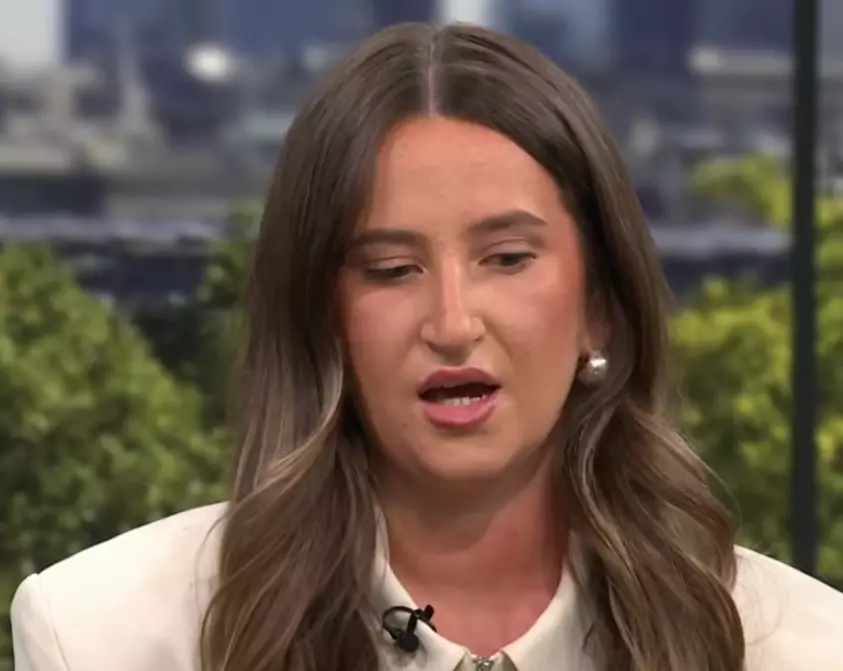
As the thoughts intensified, Molly began to fear that having them meant she was a pedophile — and she worried she would be arrested if she admitted to anyone what was going through her mind.
She later sought therapy, where she learned that intrusive, unwanted thoughts can be a feature of OCD.
Speaking with hosts Cat Deeley and Ben Shephard, Molly said she is ‘quite fresh out of the diagnosis’. Although she received the diagnosis last year, she believes she had shown signs for a couple of years before getting help.
She explained: “Obviously, when I first experienced it at 14, 15, I had no idea that OCD looked like this and could be anything that what I was experiencing.”
She also referenced how OCD is often misunderstood, with many people associating it mainly with being neat, organized, or a ‘Monica’ type personality. While she acknowledged that ‘contamination’ themes can be common, that wasn’t what her OCD latched onto.
Instead, she said she had thoughts of ‘harming people and being a pedophile,’ which she now knows are based on ‘irrational thoughts’.
She said the stress of exams at school made it ‘worse’, and over time the intrusive thoughts ‘completely’ consumed her life. She added that she was left in a desperate state and ‘very close to ending my life’.
“I thought that I was the only person in the entire world that had dealt with this,” she explained.
P-OCD is considered a subtype of OCD. The Gateway Institute states: “pOCD belongs to the fourth category, in which the patient suffers from extremely unwanted and intrusive thoughts about sexual orientation towards a child.”
The same information stresses that people experiencing P-OCD are not pedophiles, explaining they ‘do not, in any way, want to harm children’. It adds that many people, including Molly, report ‘that they would rather take their own life than to actually harm a child.’
Experts note that getting appropriate treatment is important for the best outcomes, which can include therapy as well as exposure-based exercises.
If you think you may be experiencing symptoms associated with P-OCD, seeking professional support can help you access assessment and treatment as early as possible.