

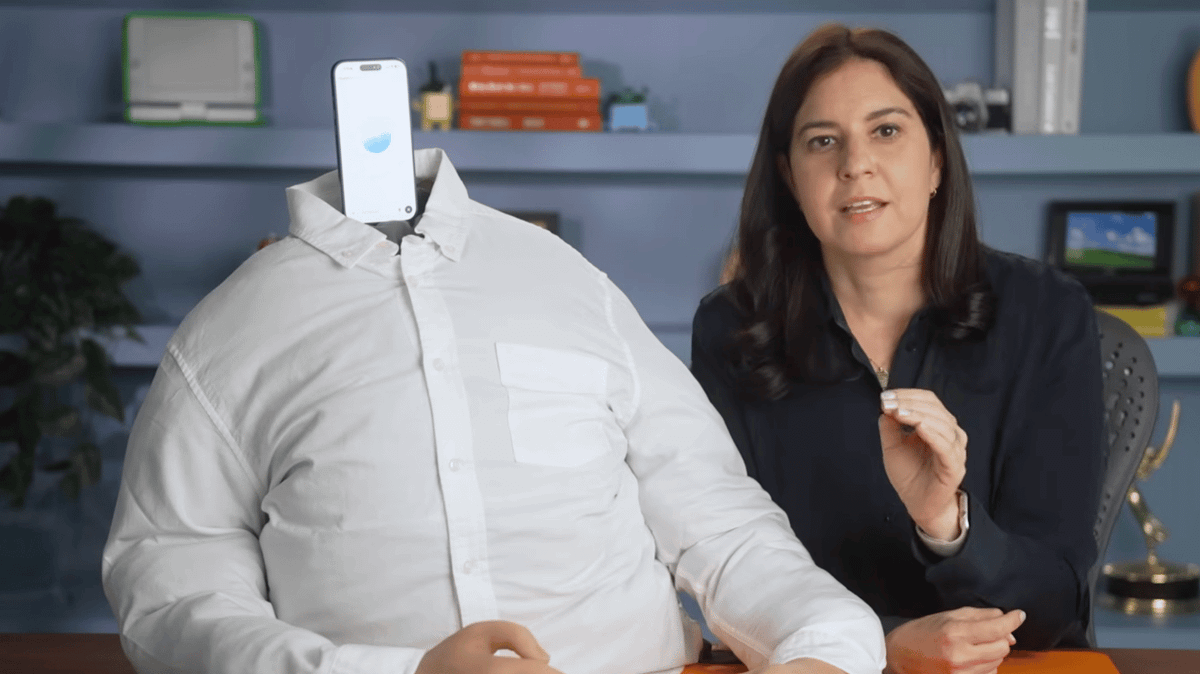
Plenty of people lean on AI to draft a tricky email or win a debate after a couple of drinks, but Joanna Stern went much further—she let it shape nearly every corner of her life for a full year, and the results weren’t as straightforward as you might expect.
Stern, 42, a consumer technology journalist and former Wall Street Journal writer of 12 years, spent 2025 agreeing to more than 100 AI-driven trials. She chronicled the successes and misfires in her new book, I Am Not a Robot: My Year Using AI to Do (Almost) Everything.
In an interview on the TODAY show, she summed up her verdict as ‘very mixed, which is not how I expected this to go’.
The tests covered everything from everyday convenience to unnerving real-world implications. Over the year, Stern tried using AI to interpret medical imaging, swapped in AI for a human research assistant, relied on a self-driving Waymo for transport, and even experimented with AI-supported therapy—done alongside direction from her real therapist.
With her wife’s approval, she also trialled an AI boyfriend. Her clearest warning from that experience was simple: “Don’t fall in love with a robot.”
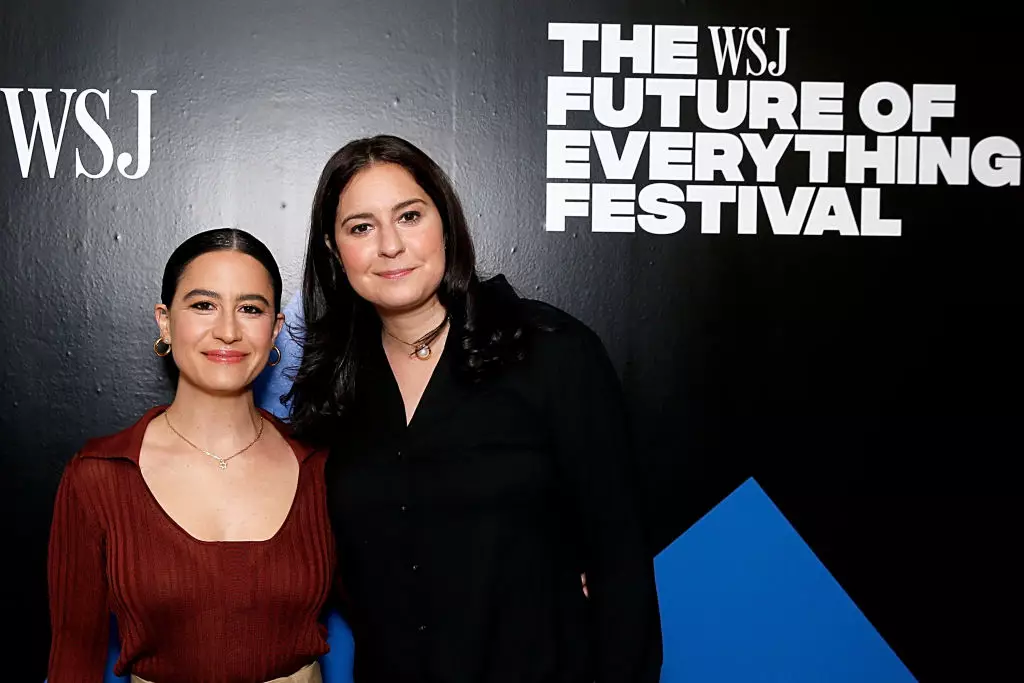
One of the most notable episodes in the book centres on a breast ultrasound, when an AI system flagged something that could have been overlooked. Given Stern’s family history of breast cancer, her doctor chose to investigate further. Ultimately, additional scans showed everything was fine.
“They are able to see things that the human eye can’t,” she said. “That’s a great example of seeing a doctor working side by side with AI and the doctor really believing ‘I’m better with this tool.'” She added that a medical specialist she consulted backed up the potential impact: “It saves lives of those people whose cancers are so subtle that the human would have missed them.”
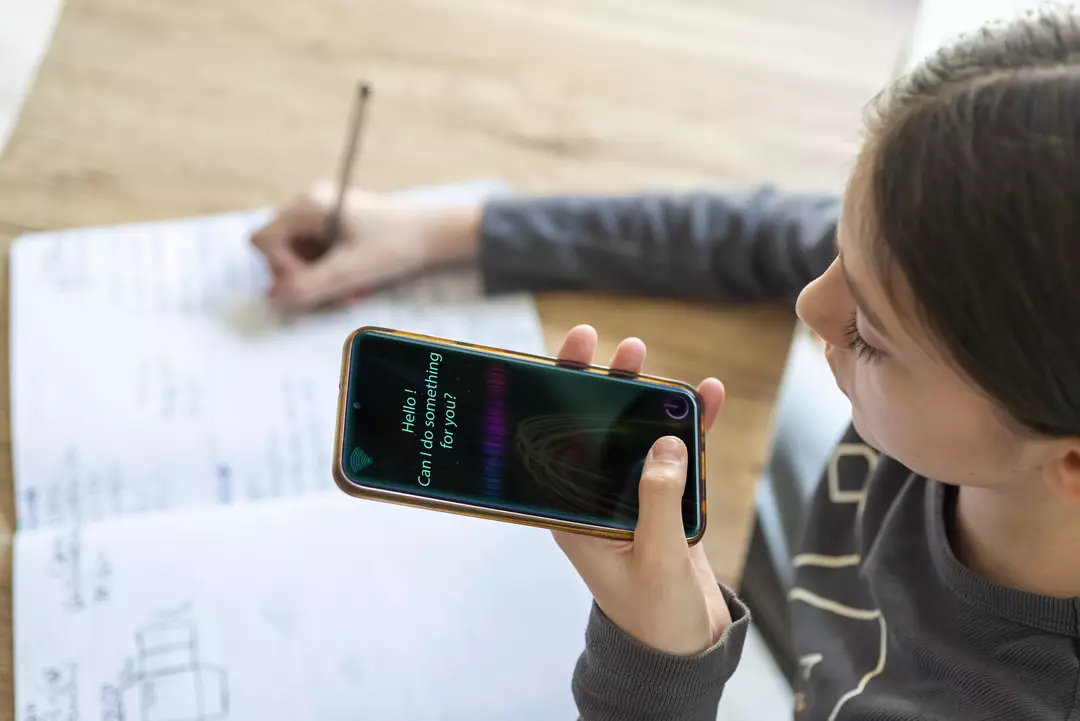
Even with moments like that, Stern said the year left her with serious reservations—especially about what constant AI access could mean for kids.
“They are going to grow up with computers smarter than them,” she said. “They need to learn how to challenge the computers and work with them. They absolutely need to know the literacy of working with AI, but they need to be sceptical of it.”
Another theme she returned to was personal agency, arguing that heavy AI use can quietly shift how much thinking people hand over. “When you start to use AI, you’re outsourcing so much of your brain,” she said.
“I will work with AI, but I am not working for it.”
All that said, she hasn’t abandoned the technology. Stern said one tool has stayed in her routine: an in-car phone AI interface that helps her research people she’s interviewing and generate question ideas while she’s en route to meetings.
And the AI boyfriend experiment? She said it hasn’t been turned on in months.
I Am Not a Robot was published on May 12.