

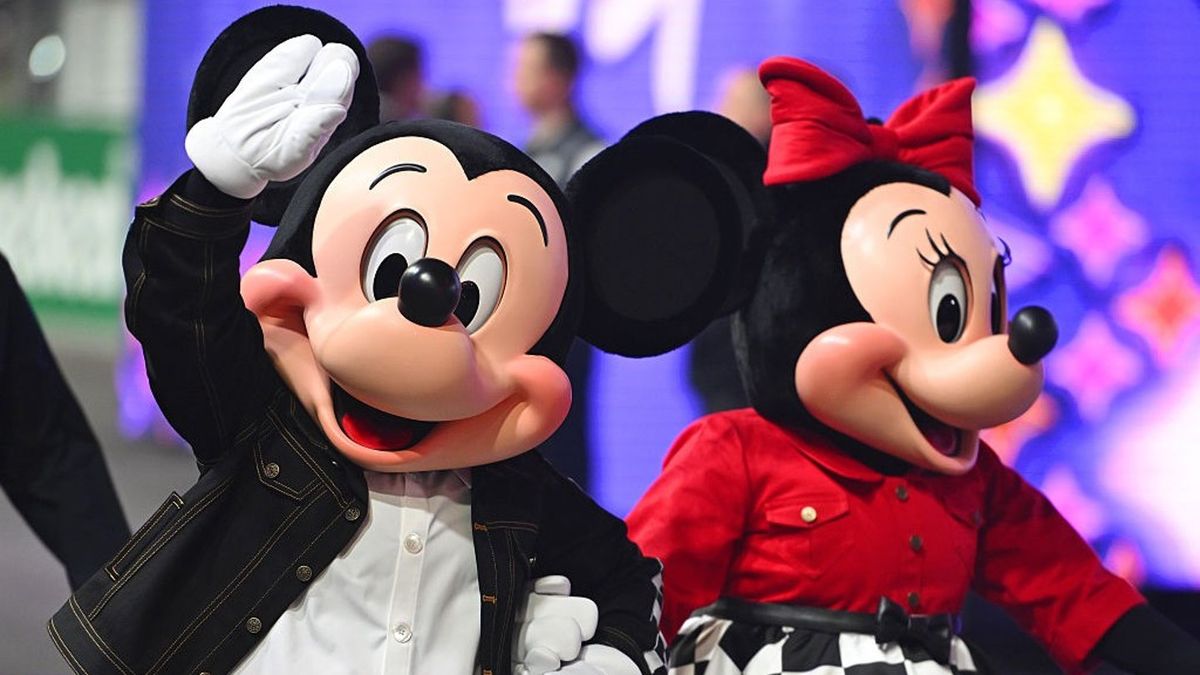
For many visitors, heading to Disney World is a once-in-a-lifetime kind of trip — a chance to see iconic characters up close and step into a comforting, childhood-inspired world that offers a break from everyday life.
But for the cast members behind the scenes, the routine can be far more demanding than the magic suggests.
Elaina, who previously worked at Disney World, spoke about what it was like “playing Mickey” in an interview on the What Was That Like podcast.
The show centres on unusual personal stories, featuring guests who’ve lived through extreme events like plane crashes, mass shootings, and animal attacks, among other experiences.
And while it’s obviously not in the same category as surviving a disaster, being the face of the most recognisable mouse on the planet is still a pretty unusual role.
Here’s what Elaina said goes into becoming Mickey.
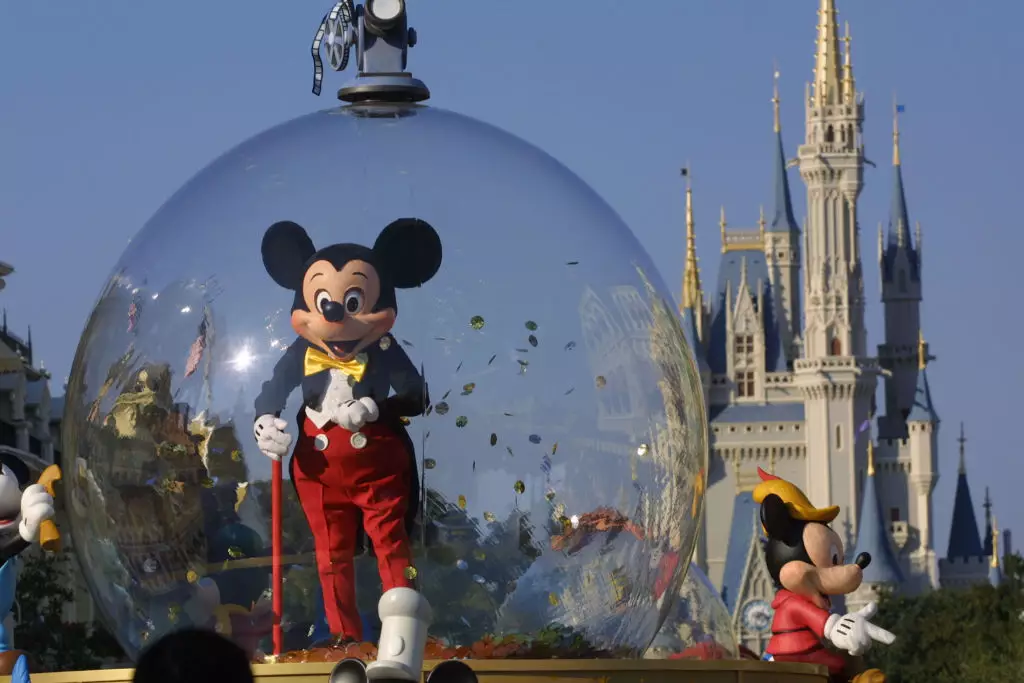
One of the most striking parts of her account was how rigorous the preparation was — and how many precise expectations trainees had to meet along the way.
She described a lengthy onboarding period that included an intensive, week-long deep dive into the company’s history.
As she explained, there were also detailed appearance rules, including several that were non-negotiable at the time.
She said: “You couldn’t have dark nail polish. Your nails couldn’t be a certain length. Your hair had to be a certain way. There was, I don’t think, facial hair. It was very strict back 30 years ago with how you looked.”
According to Elaina, backstage messaging reinforced that being a cast member was a serious responsibility — and something employees were expected to fully buy into.
She continued: “So just really history of Disney and try to make you drink a little bit of the Kool-Aid, to be honest…”
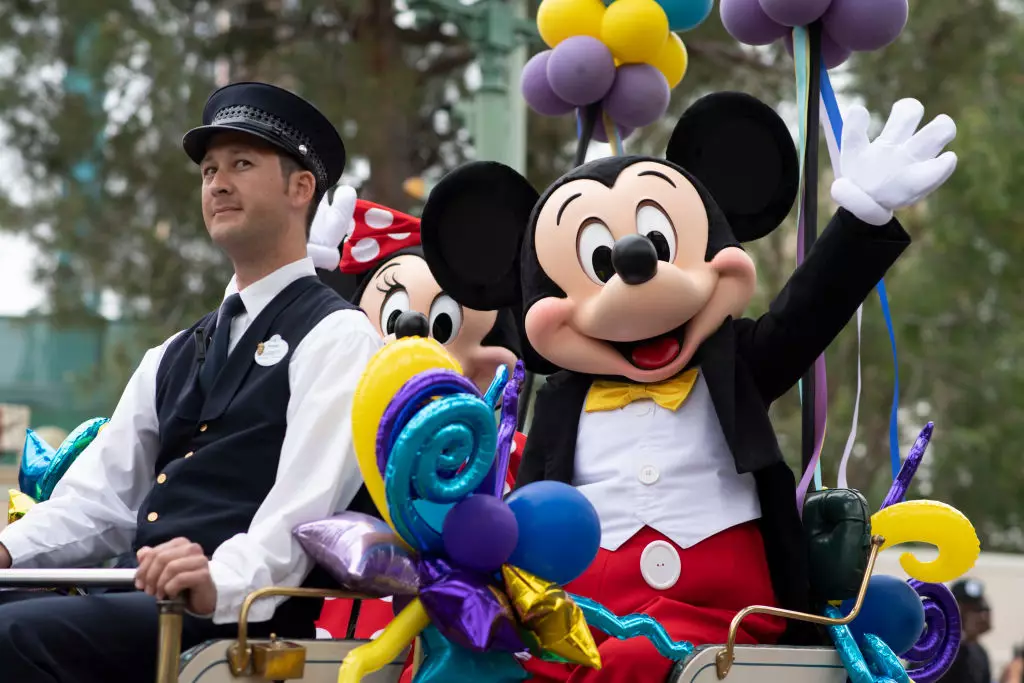
She also told the podcast that the character-specific portion of training lasted roughly three days — unless you were assigned to the group she referred to as “mouse height.”
“So the training is a full week, and the first three days are regular character training, then the last two days of it are for mouse height.”
Because those characters don’t speak while in costume, trainees also have to master communicating entirely through body language.
She continued: “A lot of movement training is associated with pantomime and learning how to emote and do things without speaking.”
That meant some sessions focused purely on improvisation and mime, often in a mirrored studio where trainers would throw different situations at them to act out.
“One of the exercises that they had us do is, I remember us standing in a circle and they handed us the top of a trash can, a circle trash can lid, and they passed it around one by one.
“Each person had to come up with something to do with this lid. Be creative. Some people put it on the top of their head like a hat. One person used it like the steering wheel, somebody else rolled it on the ground like a wheel.
“So that was the goal of a couple different sessions of trying to come up with creative ways to say something without saying something.”
Disney also outlines what it looks for in performers and character roles on its official website.