

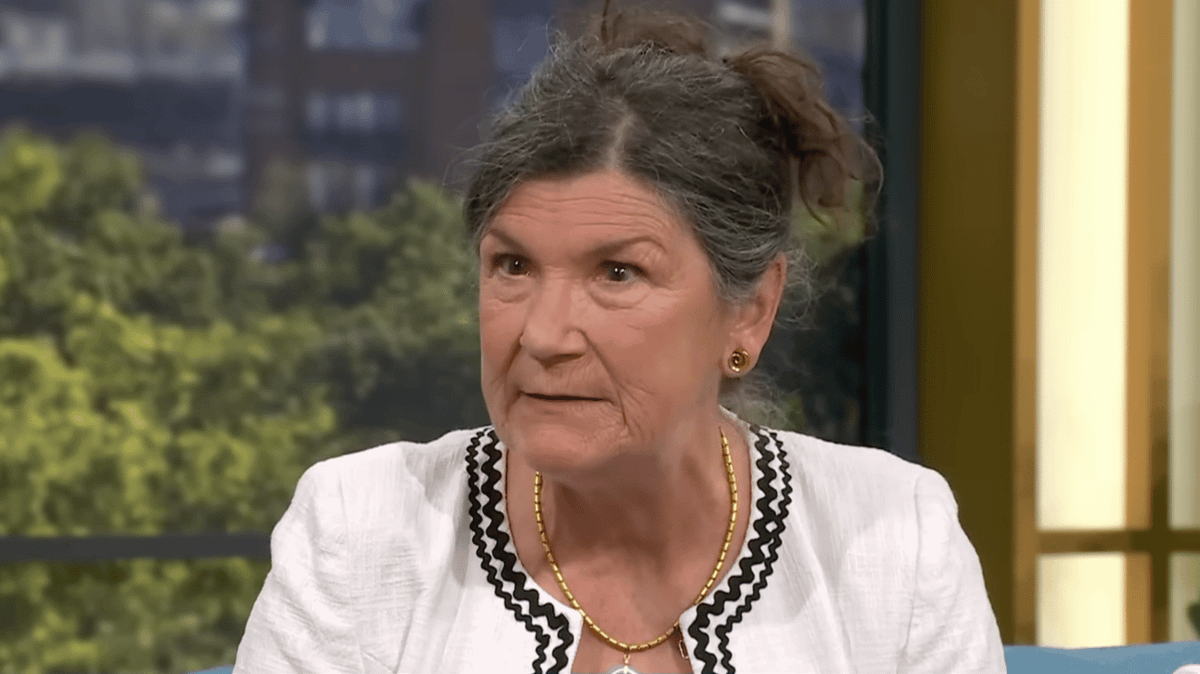
A mother grieving her son after the Air India tragedy has shared what she witnessed when she went to the crash location just days after getting the devastating phone call.
Air India Flight AI171 crashed a year ago, with June 12th marking the anniversary of the disaster that unfolded roughly 30 seconds after the aircraft departed from Ahmedabad airport in India.
The jet was carrying 242 people and was bound for London Gatwick. Vishwash Kumar Ramesh was the only person to survive.
As well as the lives lost onboard, the impact also killed 19 people on the ground when the plane struck a nearby residential building.
A preliminary probe indicated the engines’ fuel supply had been cut, with cockpit switches moved from ‘RUN’ to ‘CUTOFF’ shortly before the crash. The investigation is ongoing.
Among those still seeking clarity is Amanda Donaghey, whose son Fiongal Greenlaw-Meek, 39, died alongside his husband, Jamie.
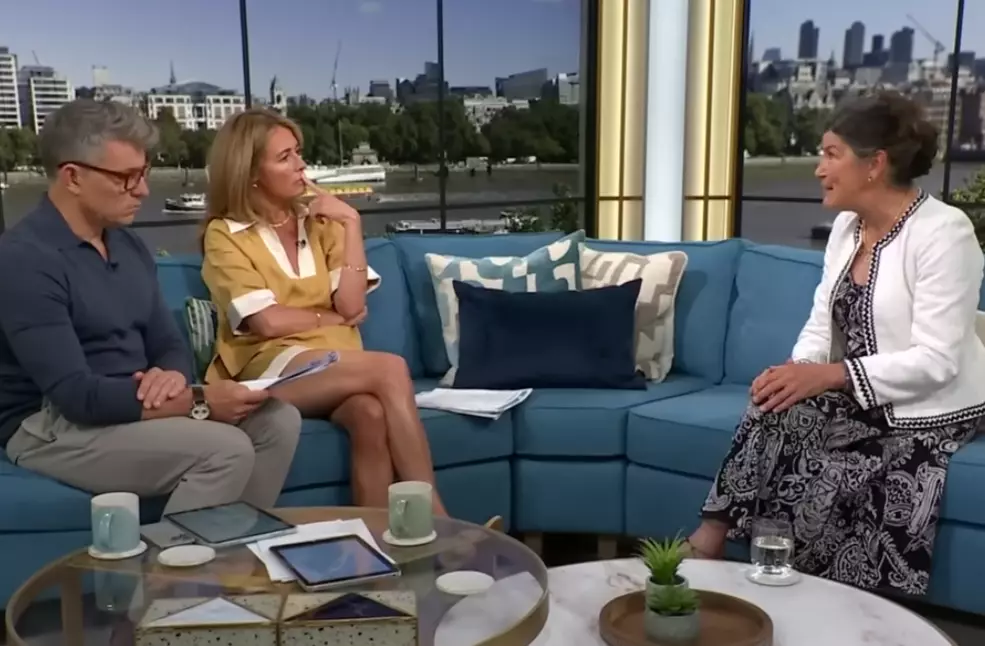
Donaghey has said she intends to travel back to India. She previously went there in an effort to bring her son’s remains back to the UK, but later discovered she had been given the wrong remains.
During an appearance on ITV’s This Morning, she explained that when she first heard reports of the crash, she initially believed Fiongal and Jamie were not affected, mistakenly thinking they had returned home a few days later.
She said a phone call then shattered that belief, leaving her ‘screaming’ as she came to terms with what had happened.
Fiongal and Jamie had been in India to celebtrate their third-year wedding anniversary. Donaghey said that once she understood her son would not be coming home, she felt compelled to go and retrieve him herself.
“When that scream stopped, I just had to go there. I felt a very strong need to go and bring him home.
“I got a plane and went straight to the hospital, two days getting there, and gave a blood sample to help with the matching. I was very well supported by the High Commission and the Red Cross.”
After arriving, Donaghey was able to visit the place where the aircraft came down and where her son spent his final moments.
“So, I was kindly allowed to go to.”
She said seeing the wreckage up close underlined the scale of what had happened, describing how the ‘devastation was enormous’ and how taking in the ‘size’ of the scene made it feel ‘all very real’.
She also alleged that local conditions — including the intense heat and limits on resources — meant a full lockdown and careful cleanup were difficult, with members of the public able to move through the area and assist in shifting debris.
She characterised what she saw as ‘chaotic’, and said there was a ‘heavy plant’ just ‘few days after, rolling over the remains’.
Although she was eventually provided with remains to take back to the UK, she said the process later unravelled.
Despite paperwork and an apparent match, she explained that a UK coroner later confirmed the remains were not her son’s.
She added that many victims’ remains were ‘incinerated’, citing the sheer volume of victims, insufficient storage facilities, and the heat.
Donaghey says her son’s remains are still unaccounted for, and she plans to return to India to seek answers about what occurred and where his body may be.