

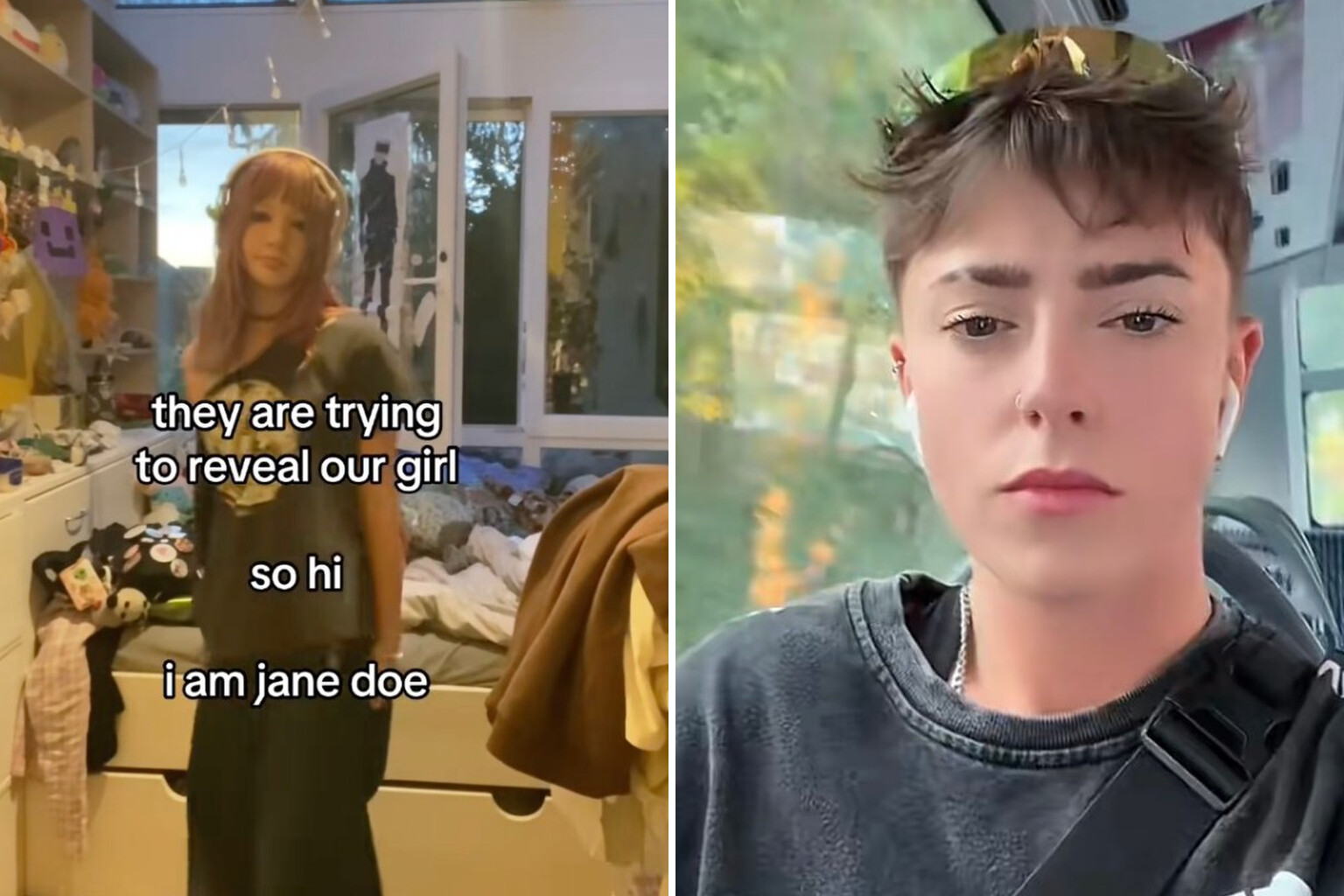
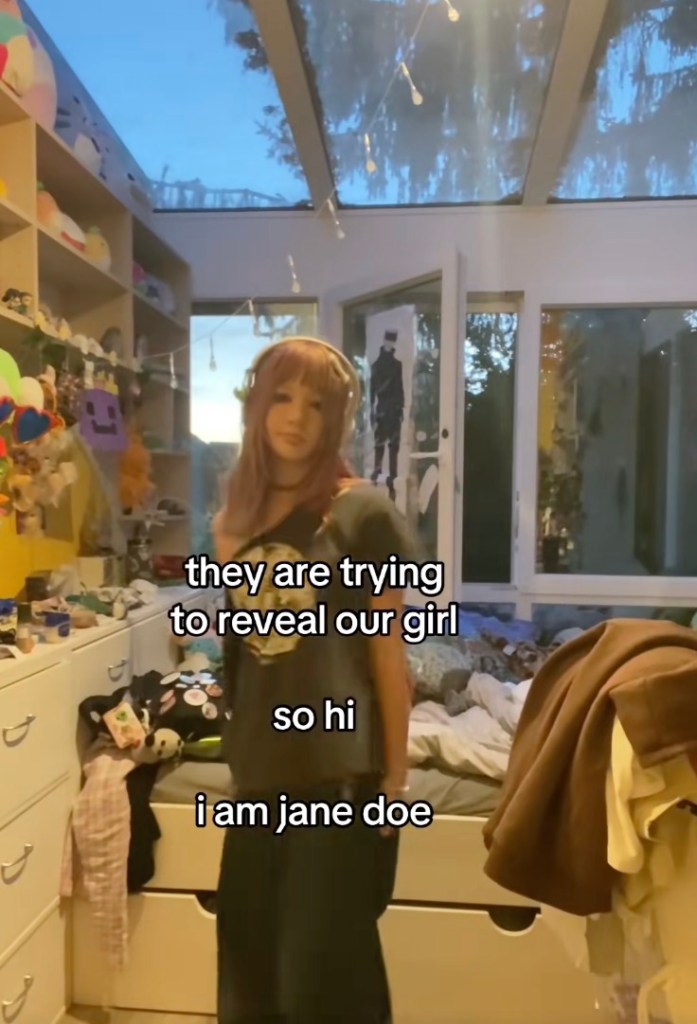
Women are flooding social media with the hashtag #IamJaneDoe to shield the identity of a Cornell University student whose gang-rape lawsuit has triggered a doxxing campaign and a reopened criminal investigation.
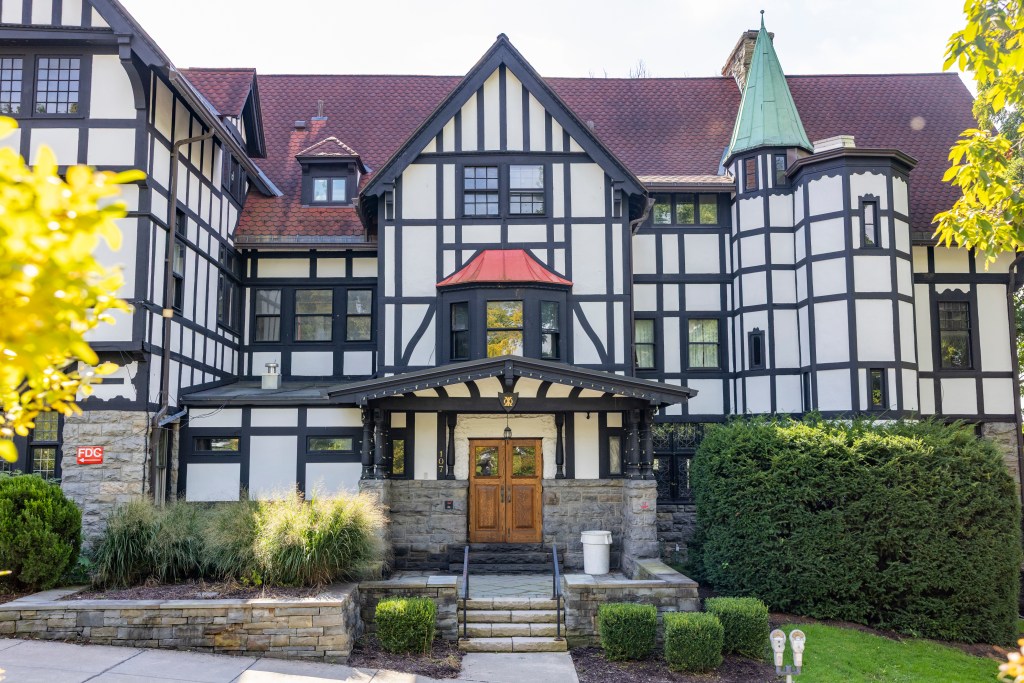
The pseudonymous accuser, who was 20 at the time of the alleged 2024 attack, sued seven fraternity members and the Ivy League school in Ithaca, New York, on September 16. The filing prompted prosecutors to reopen a case they had initially closed without charges, and New York Governor Kathy Hochul appointed the state’s attorney general as special prosecutor. On Friday, Hochul faulted police and prosecutors for failing to fully investigate the woman’s allegations.
Twanna LaTrice Hill, 62, a writer and actor in Denver, was among the first to declare herself Jane Doe publicly. She posted on Facebook this week about her own experience speaking out in 1990 about being raped as a teen by a youth minister who had counseled her.
“I was in absolutely no way trying to get other survivors to come forward or to go public if they did not feel ready,” she wrote. “But I had hoped that as more of us coming forward, the stigma would be reduced. Perhaps it has in some small way, but not nearly enough. So I stand before you today simply to say: #IamJaneDoe.”
Hill told reporters she wants the Cornell accuser to identify herself only on her own timeline. “I want us to support Jane Doe in coming to her own way of identifying herself in her own time,” she said. “And if she never does, that’s fine. But the flip side of that is that the people like me need to speak up if we are able to.”
The online solidarity campaign has focused particular anger on independent journalist Michael Tracey, who has expressed sympathy for the accused men and framed his effort to name the accuser as protected journalistic diligence. On Monday, he posted one of multiple messages on the case: “Let’s see if anyone has the ‘balls’ to name this Jane Doe so we can all evaluate her veracity, and that of her lawyers, since her lawsuit didn’t hesitate to name & shame 7 of her peers as gang-rapists.”
Early Friday, Tracey posted what he believed to be the accuser’s name, which could not be independently verified, then quickly deleted it. “But please do not harass her, her family, or anyone else associated with her,” he wrote after removing the name. “I’m serious. I wish her no harm. I feel bad for her in a way.”
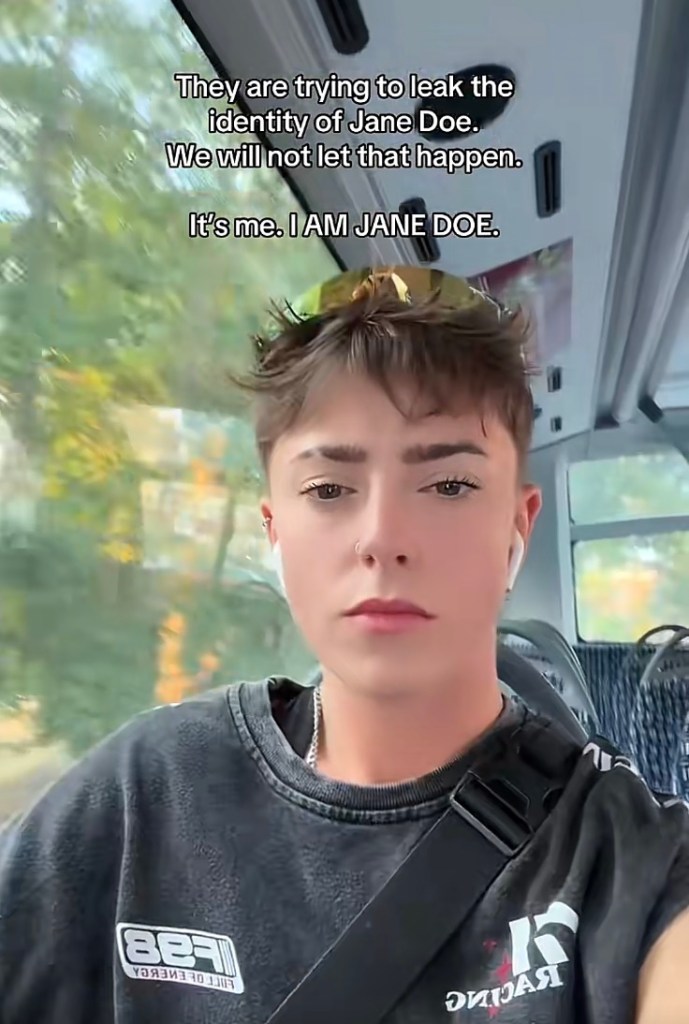
The accuser’s lawyer, Thomas Giuffra, said his client is “not doing well” and is “under siege on social media.” He noted that some women have been incorrectly identified as his client, compounding her distress. “That’s been really difficult,” he said. “And she’s gone through a lot.”
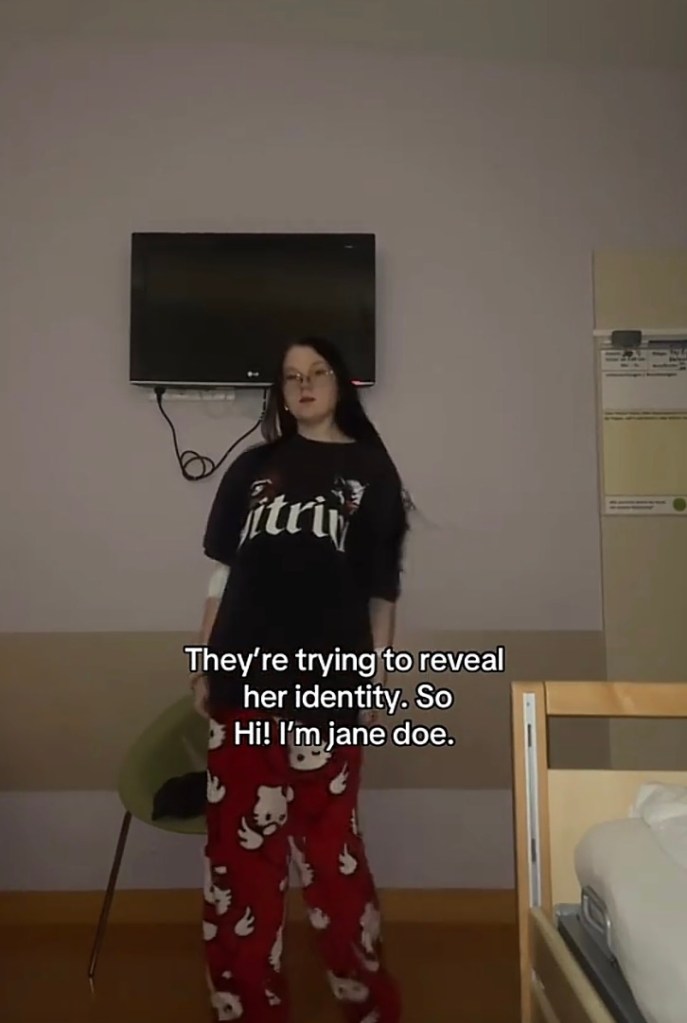
Amee Vanderpool, who publishes a newsletter on Substack, joined the counter-campaign with a direct challenge to Tracey’s efforts. “To anyone who is looking to find out the identity of Jane Doe in the Cornell rape case, look no further, because it’s Amee Vanderpool,” she wrote. “I am Jane Doe.”
Katy Jacobson, 35, of San Diego, who works with children with disabilities, said the hashtag addresses the isolation survivors often feel. “Because oftentimes you feel like you’re on an island,” she said. Jacobson, who found campus support after being raped during college by a former boyfriend, has directed her social media followers to organizations including RAINN, which operates the National Sexual Assault Hotline.
“Even today, if you looked at my story, it has resources,” she said. “I’m not posting about the men. I’m posting about Jane Doe.”
The accused men have denied all wrongdoing. Cornell has defended its handling of the matter. New York law permits “Jane Doe” anonymity for sexual assault lawsuits, a protection the student’s supporters say is being undermined by deliberate identification efforts.
The campus climate data adds context to the case’s resonance. A 2025 Cornell survey found 35% of undergraduate women reported experiencing nonconsensual sexual contact involving force or incapacitation since arriving on campus, up from 20% in 2021. Nationally, about 21% of women in the US report being survivors of completed or attempted rape, according to the CDC’s most recent National Intimate Partner and Sexual Violence Survey.
The alleged assault occurred in 2024. The woman filed suit after prosecutors declined to charge anyone, but the lawsuit’s detailed allegations prompted Hochul’s intervention and the renewed criminal probe.
Tracey did not respond to a request for an interview.