

The World Health Organization (WHO) has responded to worries that a reported hantavirus outbreak on a cruise ship could trigger another worldwide pandemic.
Many people will remember that in late 2019 there were early reports of a new virus circulating in China, later identified as coronavirus.
By March 2020, the WHO had characterised the situation as a global pandemic, and lockdowns were introduced across much of the world.
According to WHO figures, more than 7,000,000 people have died from coronavirus. Given that toll and the disruption Covid caused internationally, it’s unsurprising that news of hantavirus cases linked to a cruise ship has made some people anxious.
On April 1, the MV Hondius departed Argentina with roughly 150 passengers. Since then, three passengers have died with hantavirus, and several others — including the ship’s doctor — have reportedly become ill.
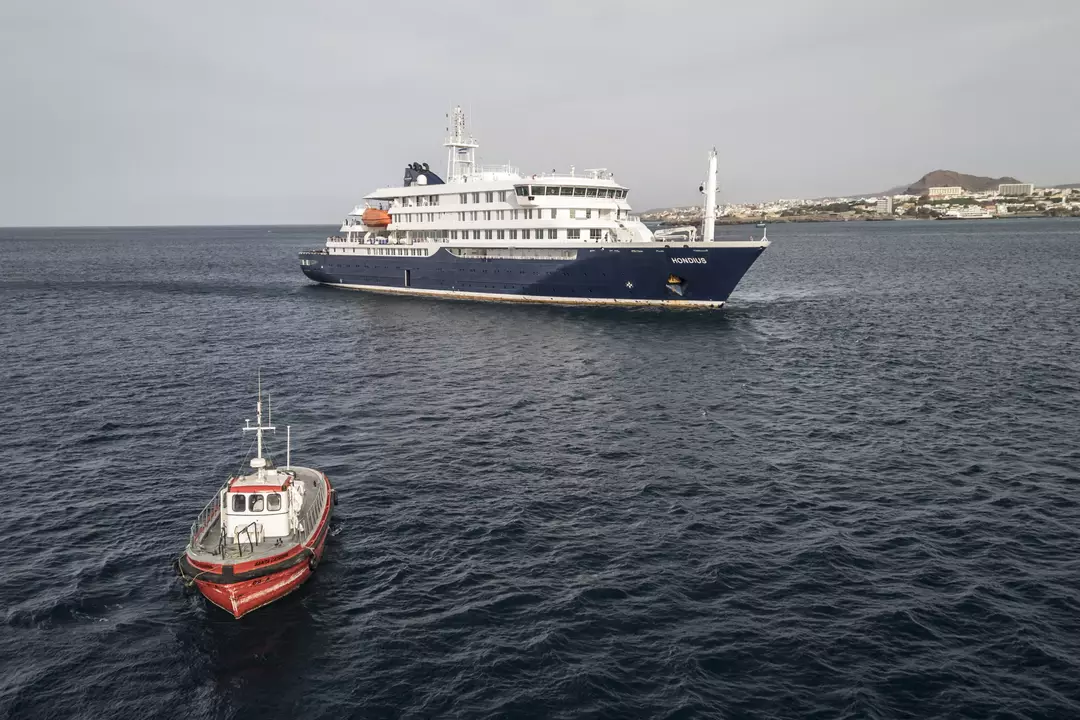
Hantavirus is commonly associated with exposure to rodents such as mice and rats. However, the strain reported in connection with the MV Hondius is said to be the Andes virus, which is believed to have the potential to spread through person-to-person contact.
Reports have suggested this strain may carry a mortality rate of around 40 percent.
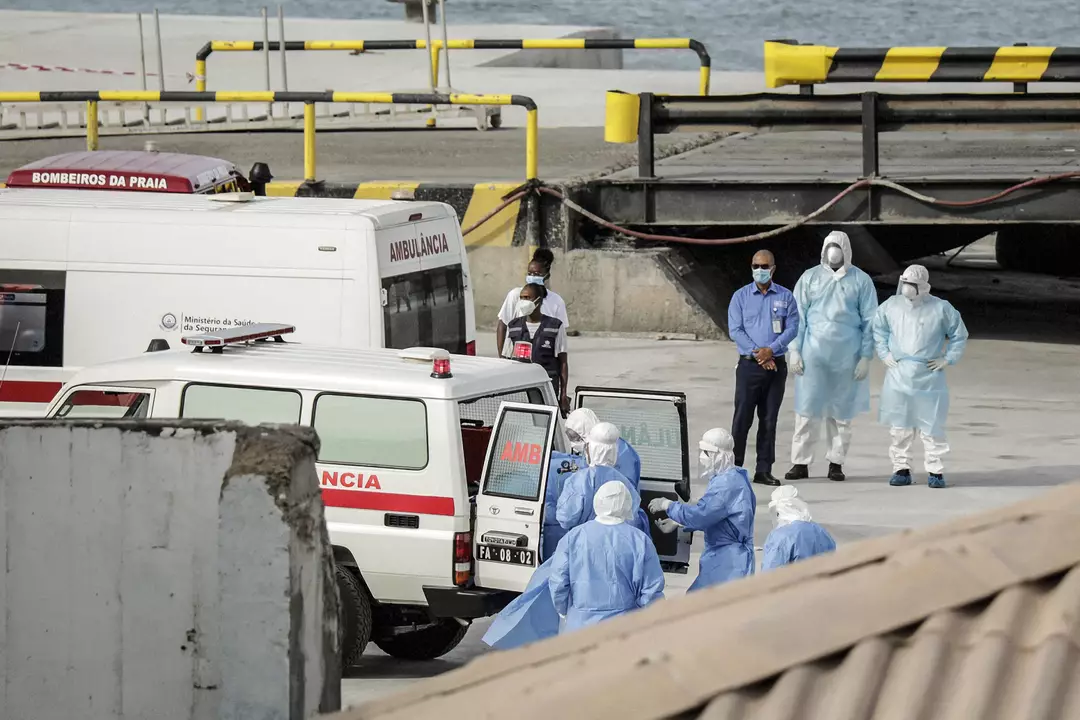
There have also been accounts of people choosing to self-isolate because of possible exposure. Reports said that two British nationals are self-isolating after being on the MV Hondius.
Even though the situation has naturally prompted comparisons with the earliest days of Covid, a WHO official has said they do not think this will develop into another coronavirus-level event.
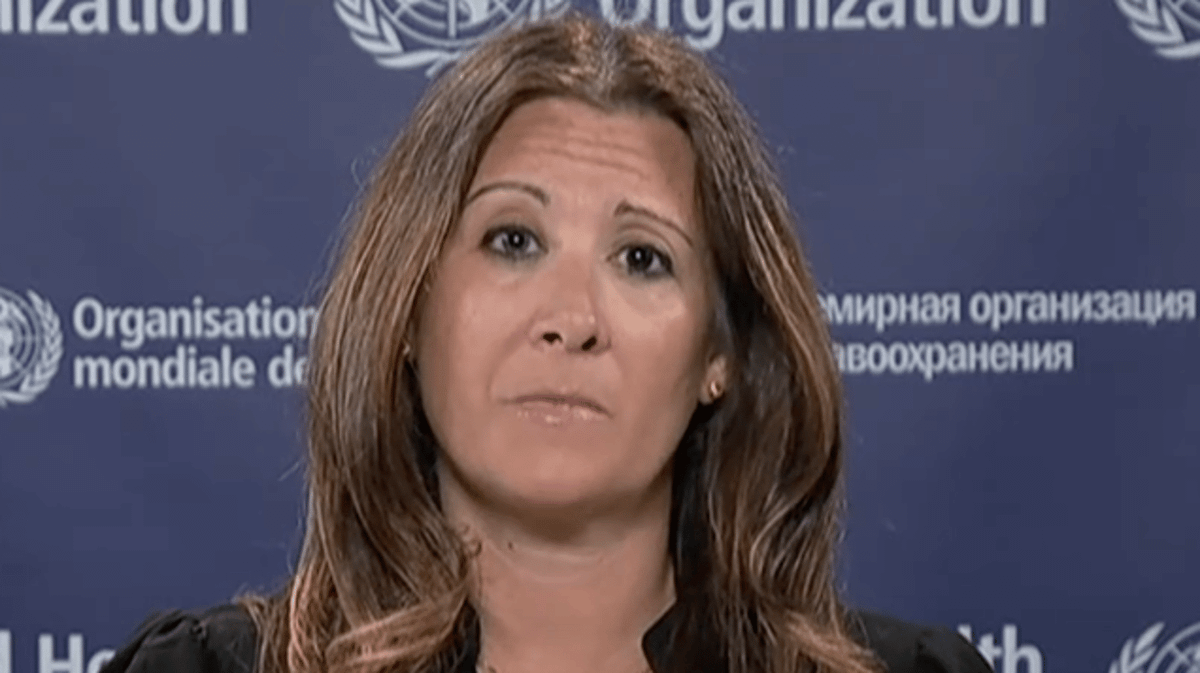
WHO epidemic expert Maria Van Kerkhove said, per Sky News: “This is not the next Covid, but it is a serious infectious disease. Most people will never be exposed to this.”
Dr Meera Chand, Deputy Director for Epidemic and Emerging Infections at the UK Health Security Agency (UKHSA), also stressed that the wider public remains at low risk.
“Our thoughts are with all those affected by the hantavirus outbreak onboard the MV Hondius,” she said. “It’s important to reassure people that the risk to the general public remains very low.”
Addressing the British nationals who are now self-isolating, Dr Chand added: “We are standing up arrangements to support, isolate and monitor British nationals from the ship on their return to the UK and we are contact tracing anyone who may have been in contact with the ship or the hantavirus cases to limit the risk of onward transmission.
“UKHSA will continue to work closely with government partners to offer all necessary support.”

The Andes strain is considered rare. Microbiologist Dr Gustavo Palacios said that there have only ever been 3,000 known cases.
It is also described as the only documented hantavirus capable of human-to-human transmission. One study suggested patients may be infectious for a short period — around the time a fever begins — and also indicated that transmission could occur even with brief close proximity to an infected person.
Andes virus (ANDV) is primarily found in South America and is associated with a fatality rate estimated between 20 and 40 percent. It can lead to hantavirus pulmonary syndrome (HPS), which affects the lungs. Symptoms can begin one to eight weeks after infection, with early signs beginning during that period.
Later symptoms can follow as the illness progresses.