


The World Health Organization (WHO) has shared guidance on how to reduce the risk of spreading hantavirus, after three confirmed deaths were connected to an outbreak linked to a cruise ship—raising concerns about another potential global health emergency.
If this is bringing back memories of 2019, you’re not the only one.
In late 2019, reports about a novel coronavirus were still minimal, before the WHO later declared an international crisis and the world changed within months.
Everyday life was upended: people were separated from friends and relatives, many faced major life events without loved ones present, and communities struggled to grieve together.
With that recent history, it’s understandable to feel uneasy when health authorities warn about a possible outbreak of an illness many people know little about.
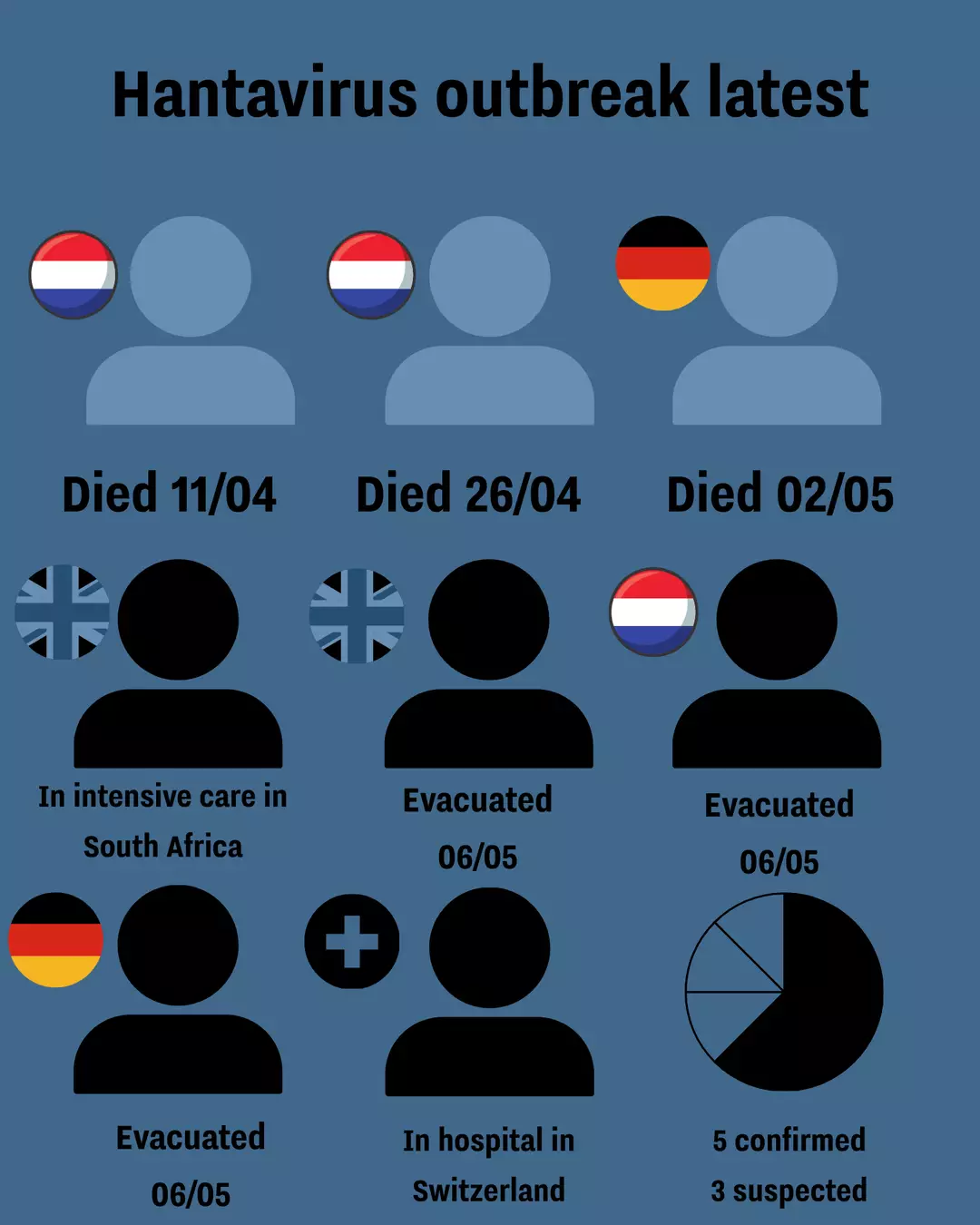
Regarding the current situation, reports on April 1 stated that the MV Hondius cruise ship, arriving from Argentina, had eight suspected hantavirus cases on board, and three passengers later died.
Hantavirus infections are most commonly associated with rodents. However, the Andes virus strain—believed to be involved in this incident—can also spread through person-to-person contact, which increases concern about wider transmission.
The illness can be severe: some cases have a mortality rate reported as high as 40 percent, and symptoms may not appear until one to eight weeks after exposure.
Argentine officials have suggested the outbreak may trace back to a birdwatching excursion in Ushuaia taken by two passengers before they boarded the ship.
As authorities work to identify and contact anyone who may have been exposed, the WHO is urging the public to be cautious, particularly by avoiding contact with rodents.
The organization has also used its official website and Instagram to emphasize practical prevention steps focused on limiting exposure to rodents and environments where their droppings, urine, or saliva could be present.
The Mayo Clinic notes that potential symptoms can include fatigue, fever, muscle aches, headaches, dizziness, chills, nausea and vomiting, diarrhea, coughing, shortness of breath, and in severe cases, death.