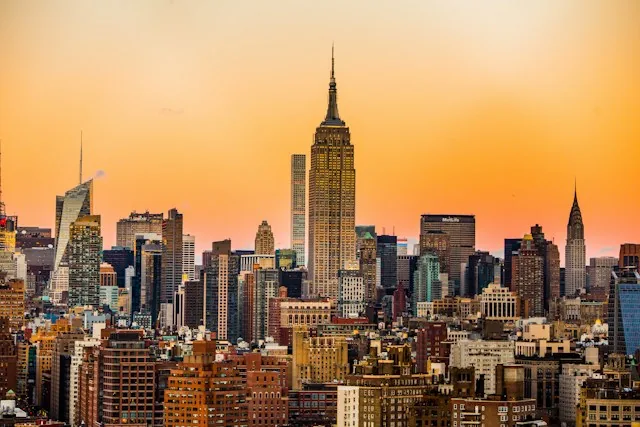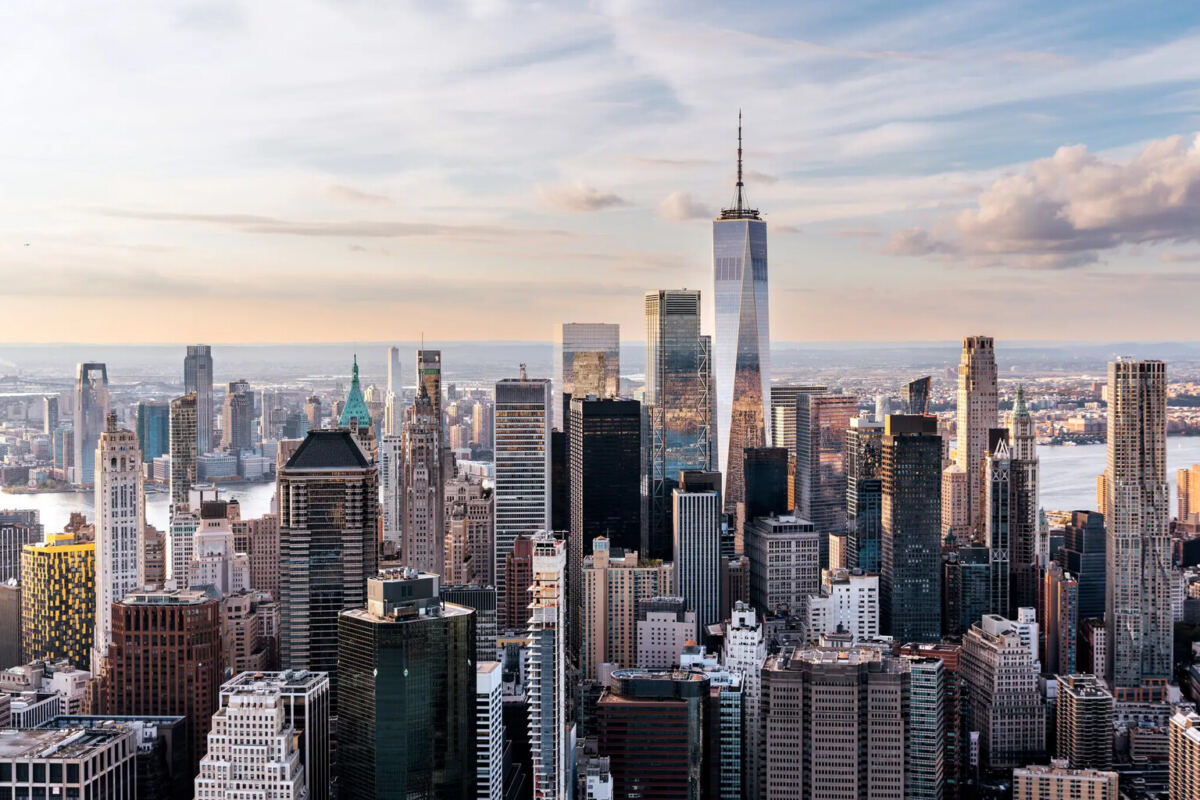
New York City has claimed the top spot in the 2026 Oxford Economics Global Cities Index, unseating international rivals with a perfect overall score of 100.
The annual ranking, released by the Oxford Economics Global Cities Index, evaluates the world’s 1,000 largest urban centers across five weighted categories: economics, human capital, quality of life, environment and governance. New York, 399, led the field thanks to what the index described as the sheer scale of its economy and the robustness of its labor market.
London, the UK capital, settled into second place behind New York, mirroring the same economic strengths that propelled the American metropolis to first. The index noted that 78 of the top 100 positions were captured by cities in Europe and North America, a geographic concentration that shows no signs of shifting.
“These cities are likely to continue to lead given their unrivalled ability to attract highly skilled workers and innovative businesses,” the Oxford Economics site states.
The American dominance extended well beyond the top two slots. Seattle, San Francisco, Boston and San Jose, California, all cracked the top 10 alongside New York, giving the United States five entries in the upper tier. The pattern held deeper in the rankings as well, with Los Angeles, Washington and Dallas all placing inside the top 20.
“US cities dominate the upper reaches of our 2026 Global Cities Index (GCI), accounting for half of the top 10 cities and nearly a third (30) of the leading 100 cities,” the index states.
“Strong Economics scores are what set US cities apart from the rest of the global economy.”
The methodology’s emphasis on economic output and labor market dynamics clearly favored established American financial and technology hubs. New York’s individual category scores reflected this weighting, though the index did not release full subcategory breakdowns for every city in its public materials.
Beyond the established giants, the index flagged four smaller American metros as “cities to watch” for future movement: Boise, Idaho; Durham, North Carolina; Jacksonville, Florida; and San Antonio, Texas. These rising contenders distinguished themselves through environmental performance rather than raw economic scale.

“These four cities score favourably on the Environment metrics, outperforming their larger peers,” the index states.
The 2026 results mark a continuation of American urban ascendancy in the Oxford Economics framework, with the nation’s city count in the top 100 rising to 30. The concentration of economic power in a relatively small number of global gateways appears to be self-reinforcing, as talent and corporate investment continue to flow toward already-dominant centers.
For travelers mapping out 2027 summer plans, the rankings offer one benchmark of where global momentum currently sits, though the index itself is designed as an economic and demographic forecasting tool rather than a leisure travel guide.