

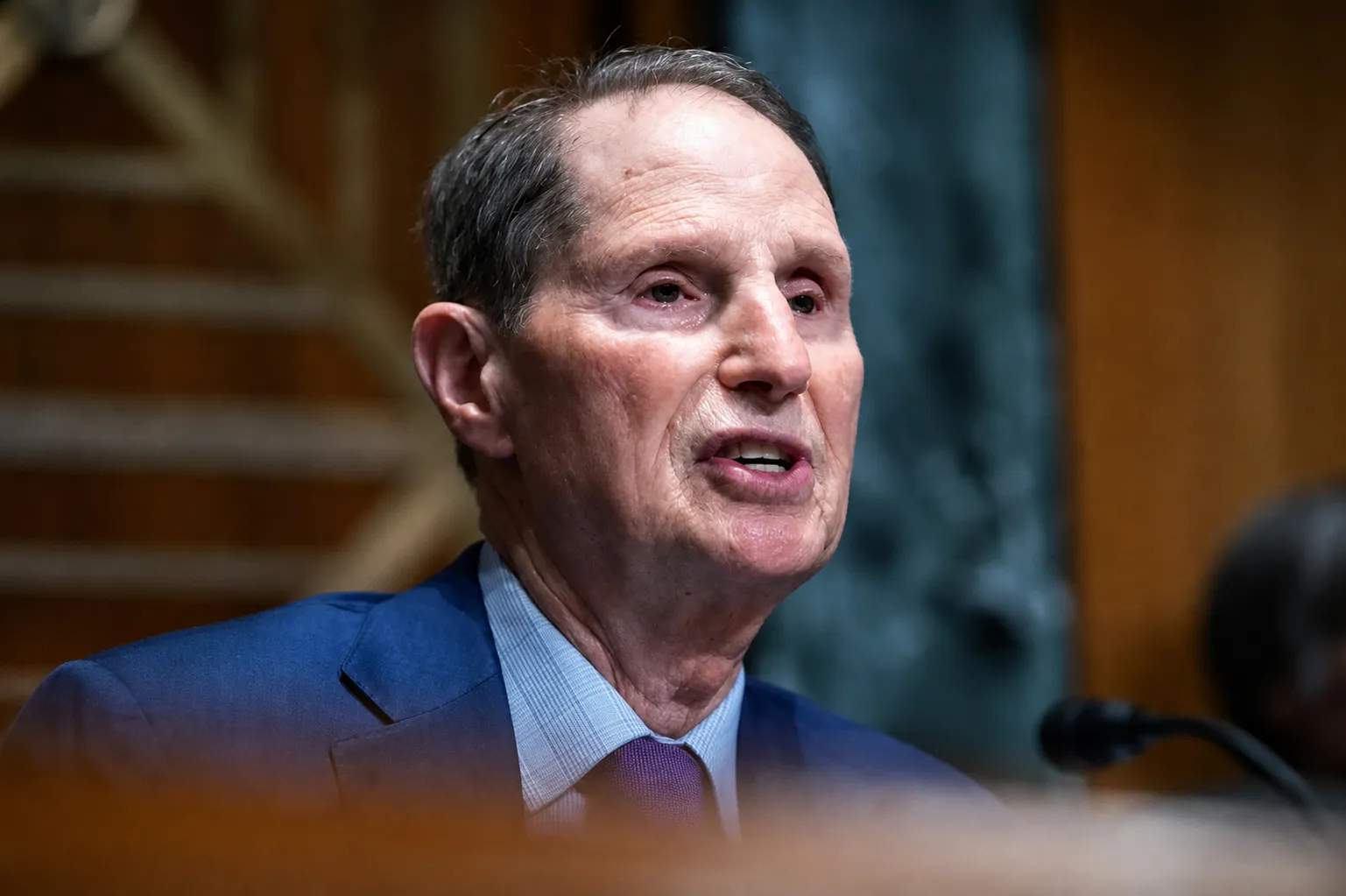
Senator Ron Wyden has filed a formal complaint alleging that Health Secretary Robert F. Kennedy Jr. Broke federal law through recent phone calls urging Libertarian candidates to drop out of two competitive Iowa congressional races. The complaint, filed Monday with the U.S. Office of the Special Counsel, requests an investigation into whether the June calls violated the Hatch Act, a 1939 law that restricts certain political activities by federal employees.
The calls in question occurred on June 8 with Marco Battaglia, a Libertarian candidate in Iowa’s 3rd congressional district, and June 11 with Rick Stewart, a Libertarian candidate in Iowa’s 2nd congressional district. Both races are among the most competitive House contests in the nation, and Libertarian candidates have historically drawn between 2 and 3 percent of votes in recent election cycles—a margin that could potentially decide outcomes in tight races.
In his complaint, Wyden, the ranking Democrat on the Senate Finance Committee, argued that Kennedy invoked his official position as health secretary while trying to convince the candidates to withdraw. Kennedy told Stewart that “I don’t want to be fighting subpoenas for the next two years instead of improving America’s health,” and offered to serve as his “liaison with the White House.” Stewart said he understood Kennedy’s remarks to suggest he could receive federal employment if he withdrew from the race.
According to accounts of the Battaglia call, Kennedy stated, “If this seat flips, it’ll make my life hell.” Battaglia told media outlets that Kennedy called to pressure him to drop out but did not provide a recording of that conversation. However, Stephanie Berlin, chair of the Libertarian Party of Iowa, was present during the Stewart call and recorded it, which she interpreted as Kennedy offering quid pro quo even as he carefully avoided making explicit promises.
Both candidates rejected Kennedy’s requests. Battaglia was subsequently removed from the ballot after Republicans filed legal challenges to his nominating paperwork, while Stewart remains on the ballot. Both cases are being appealed in district court.
Wyden characterized Kennedy’s conduct as part of a broader pattern of misusing his official position. He stated that “Kennedy has spent sixteen months using his official position to undermine the health and well-being of his fellow Americans, and now he is using his official position to undermine the integrity of democratic elections too.” The senator was particularly explicit about Kennedy’s offer to Stewart, saying the offer of federal employment amounted to illegal quid pro quo and that Kennedy needed to be held accountable.
Donald Sherman, president of the nonprofit government watchdog group Citizens for Responsibility and Ethics in Washington, described Kennedy’s invocation of his official position and responsibilities as health secretary in the recording as a “clear violation” of the Hatch Act that warrants investigation. Sherman noted that there are multiple instances in the recording where Kennedy references his government role and the White House, blurring the line between acting as a government employee versus a private citizen.
The Hatch Act requires federal officials to remain politically neutral and prohibits them from using their official titles or authority to influence election outcomes. Kennedy’s conduct comes as the health secretary has been traveling the country as a key surrogate for the Trump administration, promoting its “Make America Healthy Again” agenda. Wyden suggested that Kennedy’s election interference activities may extend far beyond the Iowa cases, noting that Kennedy has visited other swing districts including Michigan’s 7th congressional district.
An HHS spokesperson responded to the complaint by stating that Wyden was “politicizing the Administration’s efforts to Make America Healthy Again” and calling the accusation of Hatch Act violations “untrue.” Kennedy and the department initially did not provide further comment.
The complaint faces significant procedural hurdles. President Trump has taken steps in his second term to assert greater control over the Office of the Special Counsel, an independent agency. Early in his term, Trump fired the head of the office, and the Supreme Court recently ruled that the president can remove members of independent agency boards without cause. Craig Holman, a lobbyist for the watchdog group Public Citizen who has filed his own Hatch Act complaints against Trump administration officials, said he does not expect the office to act on the violation despite considering Kennedy’s conduct a clear breach of law.
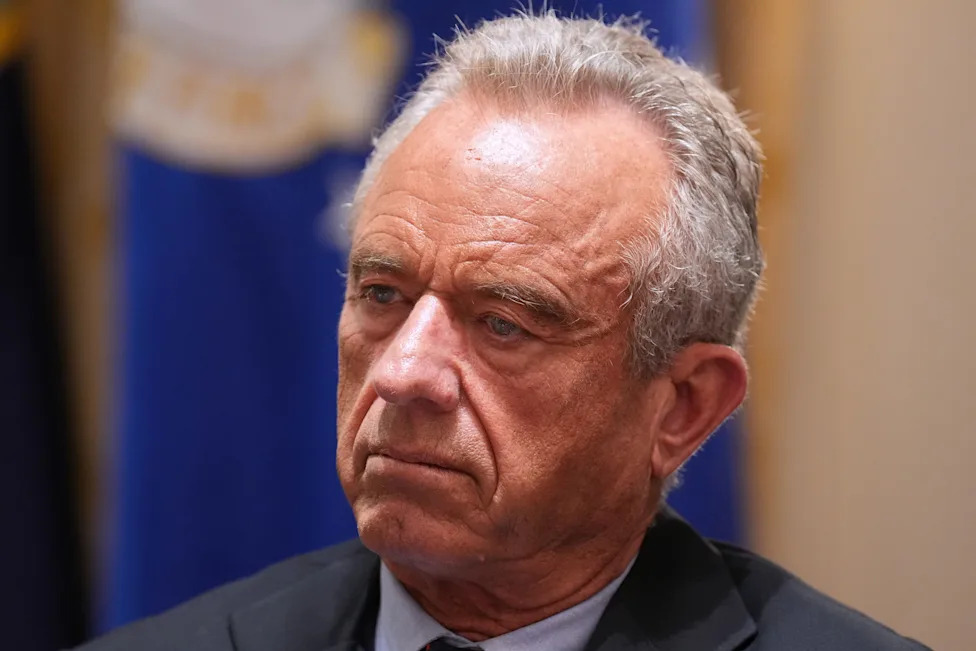
Libertarian Party leaders have framed the broader situation as part of a coordinated effort by the two major parties to prevent third-party candidates from competing. Berlin said the pressure on candidates to withdraw exemplifies how “the major two parties” are trying to “strangle us out of ballot access.” Stewart, who has run previously as a Libertarian Senate and gubernatorial candidate, told media that he understood politics involves candidates attempting to avoid breaking rules while simultaneously working to circumvent them.
At stake in these competitive races is control of Congress in the 2026 midterm elections, where any additional seats could prove decisive in determining which party maintains House control and the extent of congressional oversight in the next two years of federal policy.