


Warning: This article contains discussion of drug addiction which some readers may find distressing.
A 23-year-old woman has spoken about the permanent bladder damage she now lives with after spending more than $40,000 on a ketamine addiction that began in her teens.
Ellie Wight, from Drumoak in Aberdeenshire, Scotland, said her experience with drugs began at 16 when she started smoking weed every day. By the time she was 18, she had moved on to ketamine because it was inexpensive and easy to find.
She said the drug made her feel ‘warm’ and ‘nice’, giving her a sense of calm.
What started as weekend use soon became a daily habit she kept hidden from others. As her addiction worsened, her appetite disappeared and her weight dropped to just 5st 10lbs (just over 36kg).
Over the course of two years, Ellie estimates she spent around $46,000 on ketamine. At the height of her addiction, she said she was taking 3.5g every day, costing about $53 a day, and the repeated use eventually led to a condition known as ‘ketamine bladder’.
Five years on, she says the damage to her bladder is permanent.
Her story comes as health experts in the UK continue to warn about a rise in ketamine-related harm, particularly among teenagers and young adults. In January 2026, the Advisory Council on the Misuse of Drugs said ketamine should remain a Class B drug in the UK, but called for a stronger public health response, better treatment pathways and more awareness of bladder and kidney damage linked to repeated use.
Official data has also shown a sharp increase in people seeking help for ketamine problems in England. The number of adults starting treatment for problematic ketamine use rose from 426 in 2014/15 to 5,365 in 2024/25, while doctors have reported seeing more young patients with ketamine-related urinary tract damage.
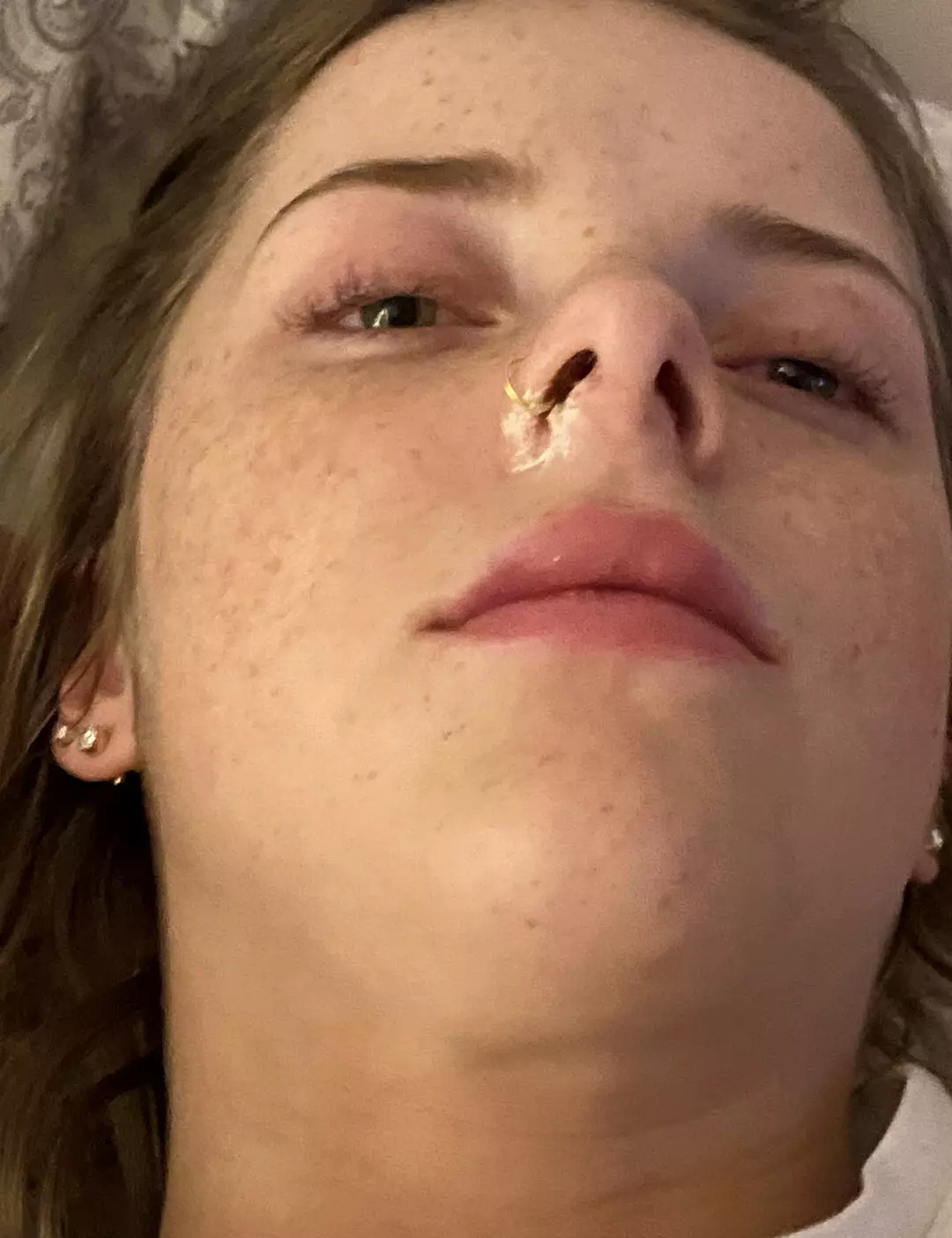
Ellie, who has since launched a support group for young adults dealing with addiction, described the painful symptoms she went through as her health declined.
She said: “When I first started having bladder issues, it was more like a real urgency to pee and a lot of pain, and not being able to hold it.
“Sometimes, if I didn’t make it to the toilet, I would have to pee myself because the pain was so bad I just physically couldn’t hold it anymore.
“Then, when it got further into my addiction, the pain when walking was like having shooting and stabbing pains in my vagina.
“It’s hard for anyone else to understand that the only thing that helps with the pain was the ketamine, because it’s a pain relief, and no other tablets would help with the pain.
“When you’re coming clean and trying to get into recovery, say, your first day you might be okay, your second day you might be okay, and then by the third day the pain’s just so extreme – it is really difficult.”
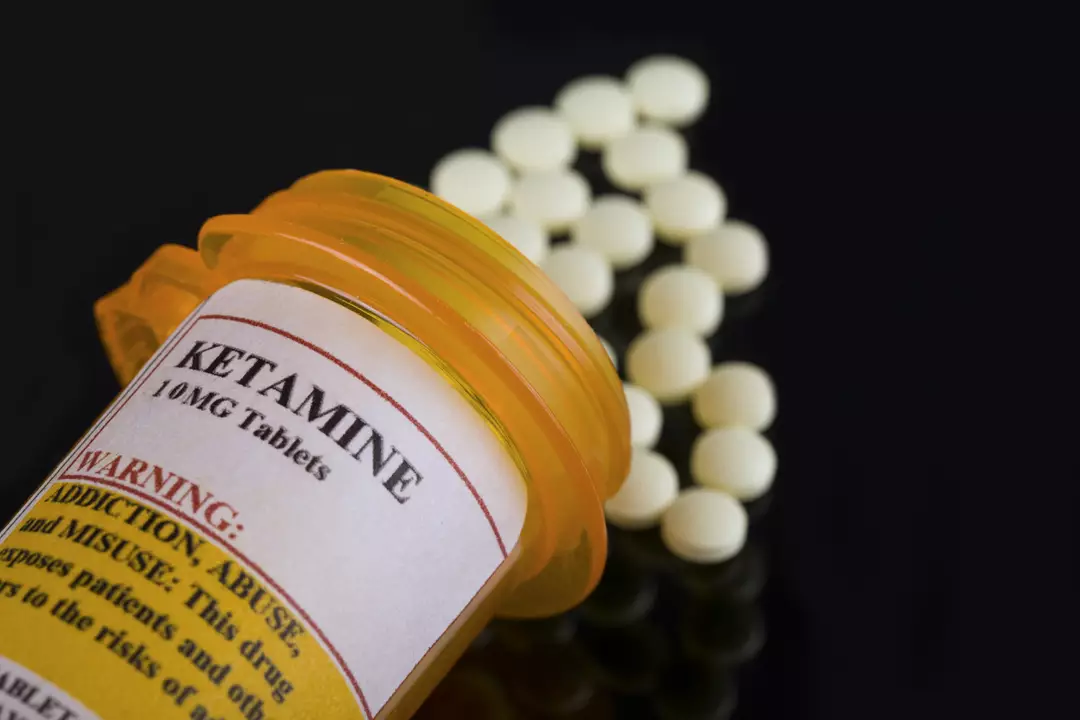
Ketamine is used legally in medicine as an anaesthetic and, in some settings, for carefully supervised treatment. However, non-prescribed recreational use carries different risks, especially when the drug is taken frequently, in high doses or over long periods.
Ketamine leaves the body through urine, and repeated use can inflame and damage the bladder, leaving it sore and stiff. Use of the so-called ‘party drug’ can also obstruct the tubes linking the kidneys and bladder, and in severe cases may cause kidney failure.
During the pandemic, Ellie stopped smoking weed but said there was ‘something missing’. As ketamine became more common among people around her, she said it quickly turned into part of the social scene.
Ellie added: “It became so popular so quickly. All of a sudden, people were doing it, and it was cool.
“We would go to friends’ houses and use it, and that’s what everyone was doing. I guess you had the thrill from doing something you shouldn’t be doing.
“There wasn’t one main specific dealer. There were just so many people who were selling it. The more you bought, the better deal you got as well.”
She said the addiction eventually consumed all of her income, with every wage packet going on the drug.

Ellie was later admitted to hospital with a kidney infection and what she initially believed were repeated UTIs. Within six months, however, she began showing signs of ketamine urinary tract syndrome, also known as ‘ketamine bladder’.
She said: “I was peeing blood quite a lot and peeing mucus chunks from my bladder. You’d feel the chunks coming through as you were peeing, and it was just horrendous, the pain.
“You are constantly worried about it all the time – it’s very controlling.
“Firstly, I got a kidney infection, and then I kept thinking I had UTIs, but I didn’t; it’s just the damage in my bladder that was causing the blood.”
The condition causes scarring, or fibrosis, which leaves the bladder far less flexible than normal. Instead of stretching to hold urine, the organ becomes tight and constricted.
Despite the name, ‘ketamine bladder’ can affect the whole urinary tract, including the kidneys and ureters.
Symptoms can include stomach and back pain, a frequent and urgent need to urinate, blood in the urine, pain when passing urine, night-time urination and, in some cases, incontinence.
Doctors say early symptoms can look like a UTI, but urine tests may not show an infection. Anyone using ketamine who develops blood in their urine, severe bladder or kidney pain, repeated urgency, inability to urinate, fever, swelling, or worsening pain should seek urgent medical help.
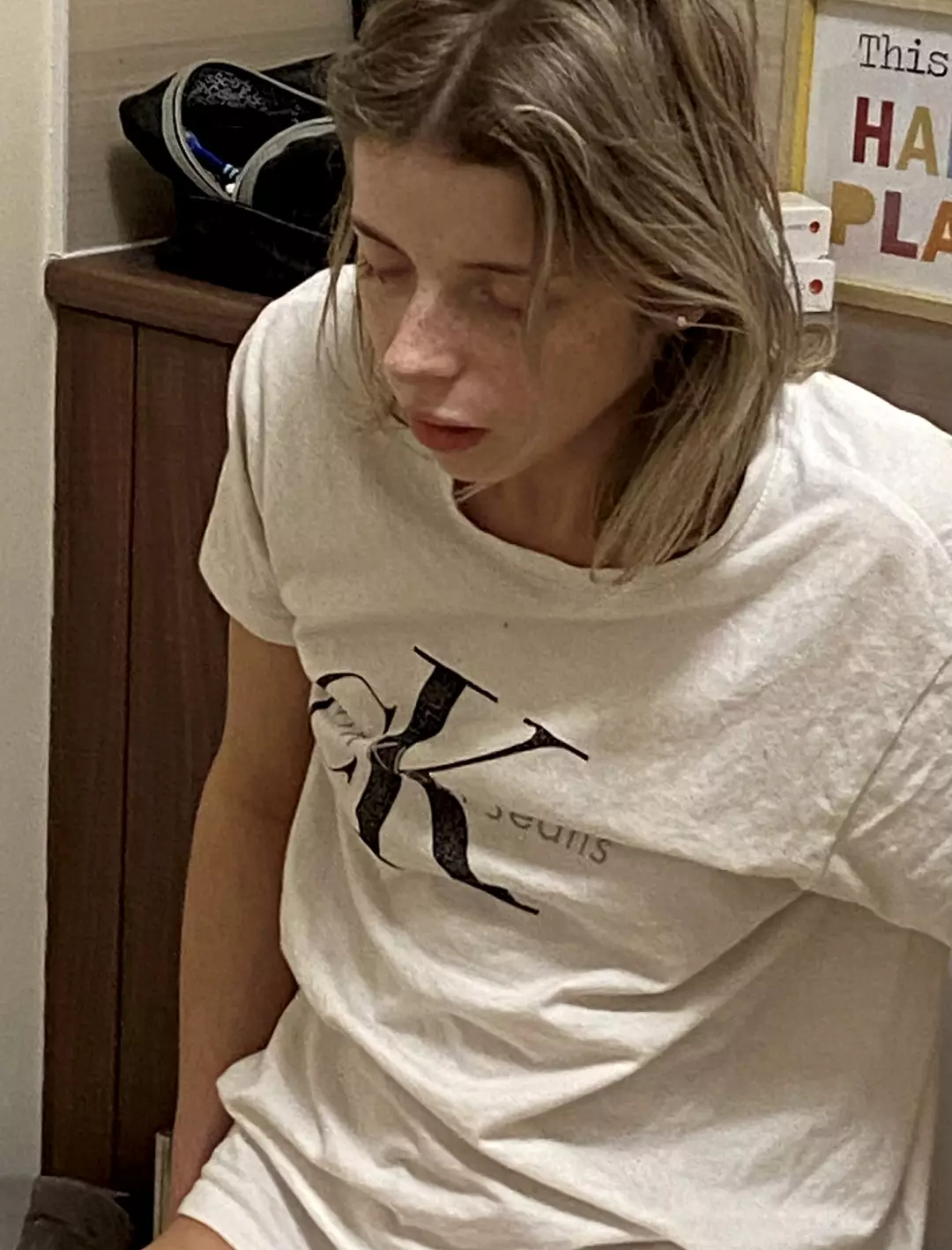
It has now been 10 months since Ellie last took ketamine, but she says the pain is still part of daily life. A month ago, she underwent Botox injections into her bladder in an attempt to ease the symptoms.
Botox can be used medically to relax the bladder muscle and reduce urgency and pain in some bladder conditions, but it does not reverse scarring that has already occurred. In more serious cases of ketamine-induced uropathy, patients may need bladder instillations, long-term pain management, kidney monitoring or reconstructive surgery.
While a healthy bladder can usually hold between 300ml and 600ml of urine, Ellie says hers now manages only 50ml to 100ml, which is less than a coffee cup.
She said: “You just have to bear through it and drink plenty of water and hope that it goes away. That’s kind of all you can do for it.”
Medical guidance stresses that stopping ketamine is the most important step in preventing further bladder and kidney damage. Some people see symptoms improve after stopping, particularly if damage is caught early, but advanced scarring and reduced bladder capacity can be long-lasting or permanent.
As part of her recovery, Ellie said she had to distance herself from some of the people she was close to during her addiction in order to remove the drug from her life.
Ellie said: “It’s not because I didn’t like them, it’s just because you have to keep yourself so guarded, and some people just aren’t right for you, and that can be scary.
“You’re not just feeling like you’re losing that drug that you think is helping you so much, but you’re also losing that network of people that you’ve surrounded yourself with throughout that use as well.
“So it can be an extremely lonely place.”
Ellie has since set up Safe Space Ketamine Recovery, a peer support group for young adults affected by ketamine addiction, and has also been raising funds for addiction recovery services in the north east of Scotland.
Her message to others is that the damage may not appear immediately, but the consequences can be life-changing.
If you want friendly, confidential advice about drugs, you can call American Addiction Centers on (313) 209-9137 24/7, or contact them through their website.
In the US, free and confidential treatment referral and support is also available from SAMHSA’s National Helpline on 1-800-662-HELP (4357). In the UK, Talk to Frank offers confidential drug advice on 0300 123 6600.