


Yosemite National Park disclosed Thursday on Facebook that a dead bat found near Curry Village in May had tested positive for rabies, sparking fury over a months-long silence that could have left any exposed visitor beyond help.
The National Park Service’s belated announcement, posted to its official Facebook page, revealed the bat was discovered back on May 18 outside the camp’s showerhouse. The animal was collected and tested as part of routine wildlife disease monitoring, but the public was kept in the dark about the positive rabies result until mid-August.
Visitors and outdoor enthusiasts flooded the comment section with alarm and anger over the three-month gap. “Wouldn’t someone bitten or scratched 3 months ago already be rabid and possibly even dead?” one person replied to the National Park Service’s post.
“If someone contracted rabies from the bat way back on May 18, that person is likely dead by now,” another added.
“May?! Yeah anyone who contracted rabies in May and didn’t do anything about it is probably dead already,” a third commenter said.
The concern is grounded in medical reality. Rabies typically incubates over days to weeks, and once symptoms appear, the disease is almost always fatal without immediate post-exposure treatment. Initial signs can include weakness, fever, headache, and itching or prickling at the bite site, according to the CDC. After symptoms develop, the Cleveland Clinic notes, no effective treatments remain available.
No human contact with the May bat is known, the National Park Service emphasized in its Facebook post. The agency urged anyone who may have had direct contact with a bat in the Curry Village area on or around May 18 to contact both the California Department of Health and a healthcare provider promptly to assess whether treatment is needed.

Park officials defended their handling of the incident, explaining on Facebook that Yosemite is home to 17 species of bats that provide ecological and economic benefits. “As part of routine park operations, deceased bats with no known human contact, are collected and later tested to monitor wildlife disease that circulate naturally within bat populations,” officials wrote. “A very small percentage of bats tested from Yosemite National Park are positive for rabies each year.”
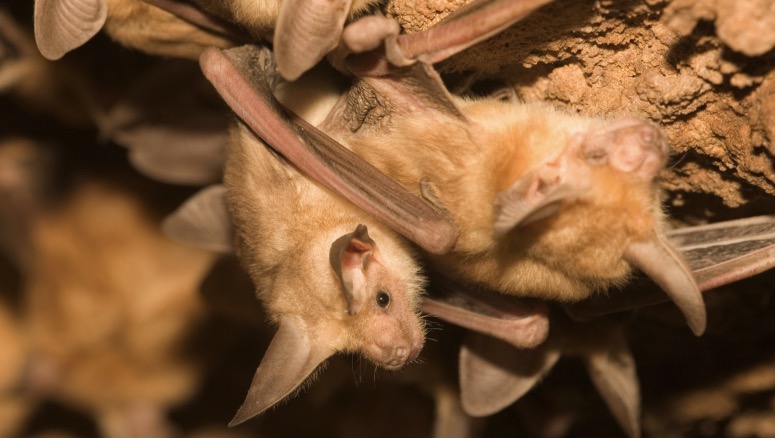
The disclosure comes with haunting context. The last rabies-positive bat in Yosemite was discovered in July 2025. More starkly, a California teacher died from rabies in 2024 after a bat apparently bit her inside her classroom, demonstrating how even brief, seemingly minor encounters with infected animals can turn lethal.
Bats rank among the most common carriers of the rabies virus, alongside raccoons, foxes, and skunks. Rabies spreads primarily through bites or scratches, making any close encounter with a wild bat a potential exposure risk even when no obvious wound is visible.
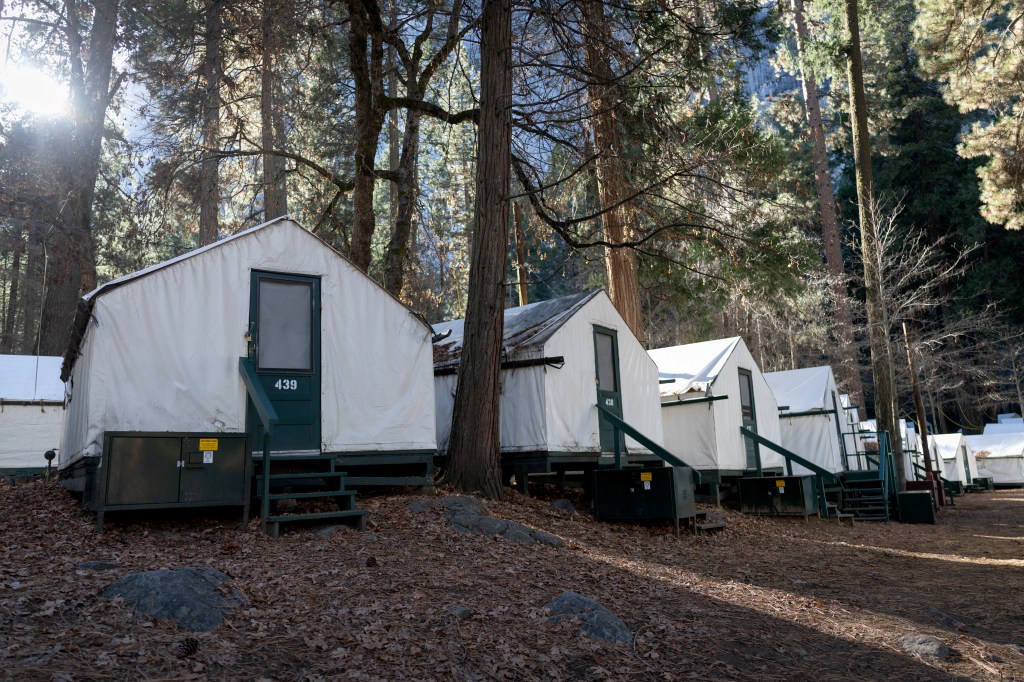
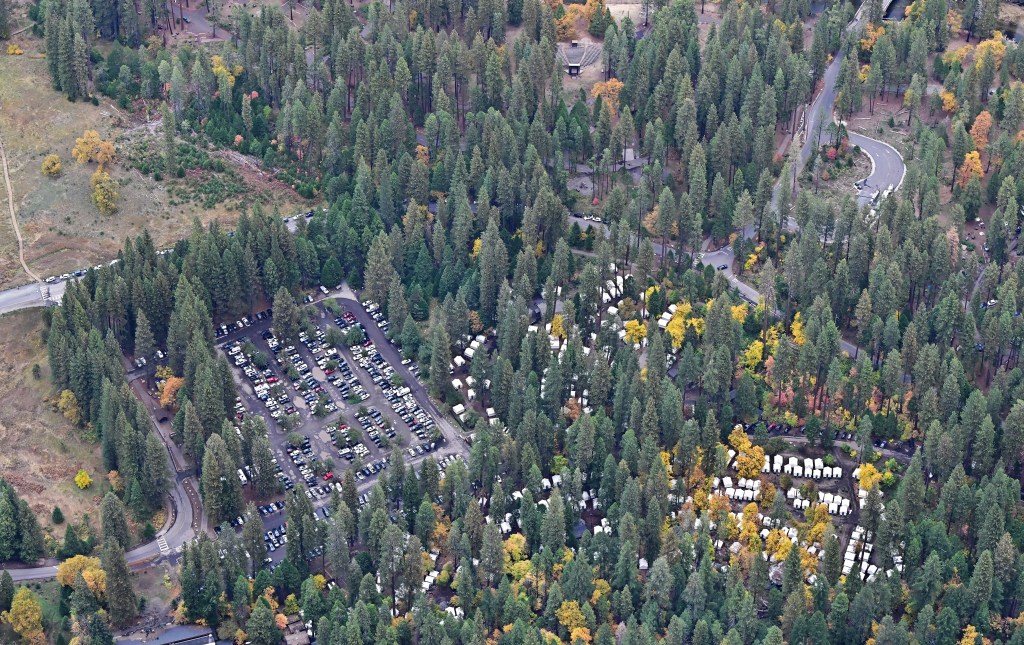
The Curry Village area, one of Yosemite’s most recognizable lodging destinations with its canvas tent cabins and proximity to Glacier Point, draws thousands of overnight guests during peak season. The showerhouse where the bat was found sits at the heart of the camp’s daily foot traffic.
Park officials have not explained why the positive test result was not shared sooner, leaving commenters to speculate about bureaucratic delays and the adequacy of public health protocols in protected wilderness areas where tourists and wildlife regularly intersect.
Yosemite National Park continues its regular summer operations as the disclosure ripples through online hiking and camping communities.