

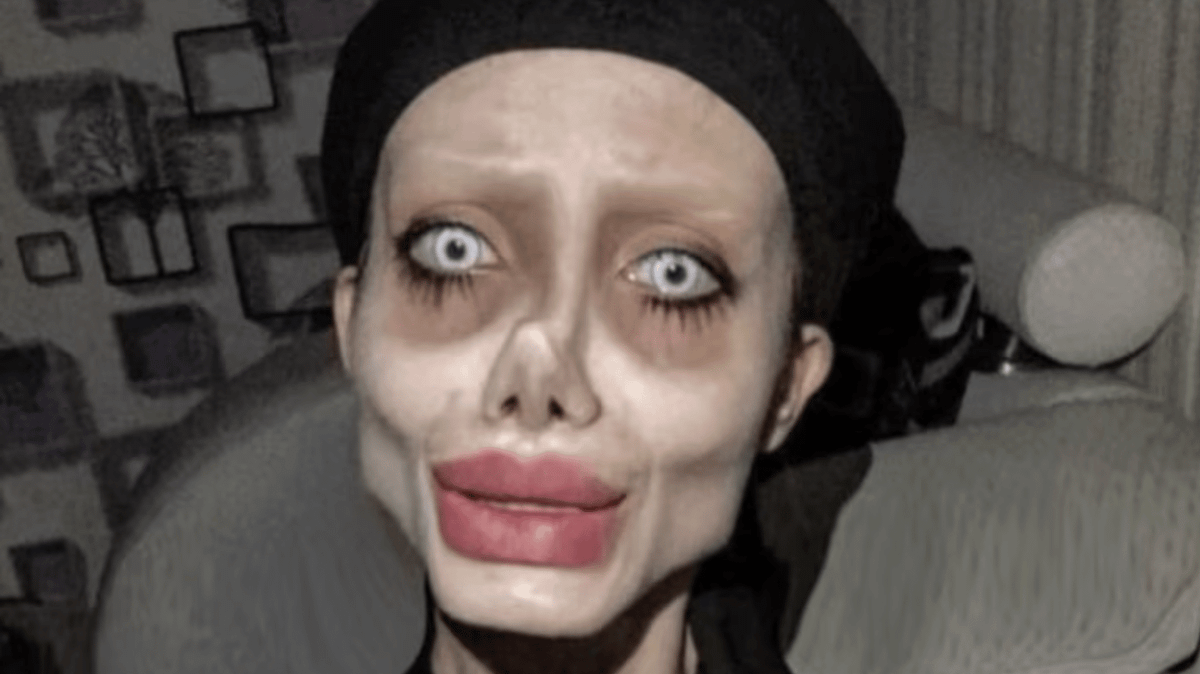
Sahar Tabar shot to global attention in 2017 after sharing dramatically altered photos online, with many internet users comparing her appearance to a zombie version of Angelina Jolie.
Although the images fueled speculation that she had undergone dozens of cosmetic procedures, that narrative was later challenged. Reports said the shocking look was mostly created through heavy editing rather than extensive surgery.
Sputnik reported at the time that Sahar said she transformed the photos in such an extreme way largely to entertain herself. She also described the posts as a personal creative outlet, despite earlier claims that she had more than 50 procedures, which were later found to be false.
“Now I can see that I have something in common with [Angelina Jolie], but I amuse myself, and to look like someone is not my goal.
“Over time I post a photo, I make my face more fun and funny, it is a form of self-expression, a kind of art.”
Later reports stated that the only cosmetic work she had actually undergone was rhinoplasty, liposuction and injectable fillers in her lips.
After years of being known online by the nickname ‘Zombie Angelina Jolie’, many people were surprised when she eventually appeared publicly without the exaggerated digital alterations.
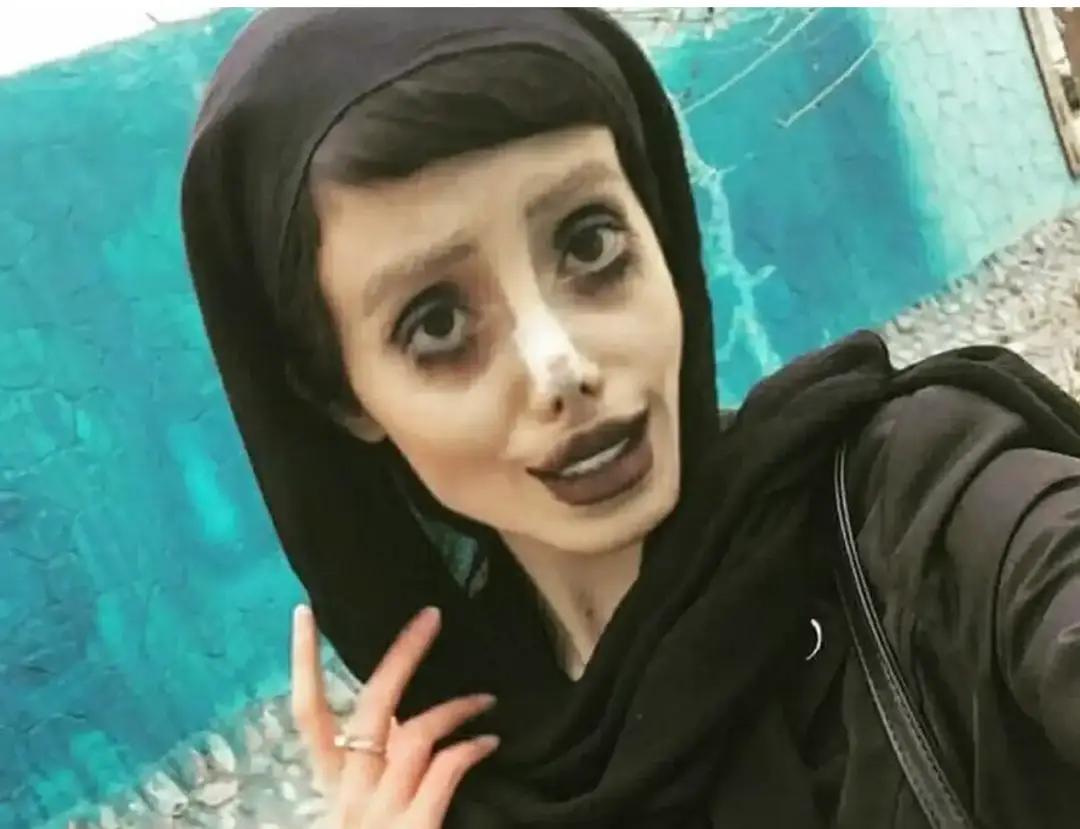
Sahar Tabar, whose real name is Fatemeh Khishvand, appeared on Rokna, an Iranian state-owned media channel, where viewers saw her real face for the first time. Many were quick to point out that she looked nothing like the eerie online persona that had gone viral.
During the interview, she reflected on how outside opinions affected her and why social media became the platform she used to chase attention.
“Sometimes the words of a stranger or a friend can be more important than those of a parent,”
She explained on Iranian TV.
She also addressed the viral Instagram images directly.
“What you saw on Instagram was the computer effects I used to create the image.”
“Cyberspace was an easy way. It was much easier than becoming an actor.”
She was also quoted as saying she had wanted to be famous since childhood, though reports suggested she would not be returning to social media nearly a decade after first becoming widely known.
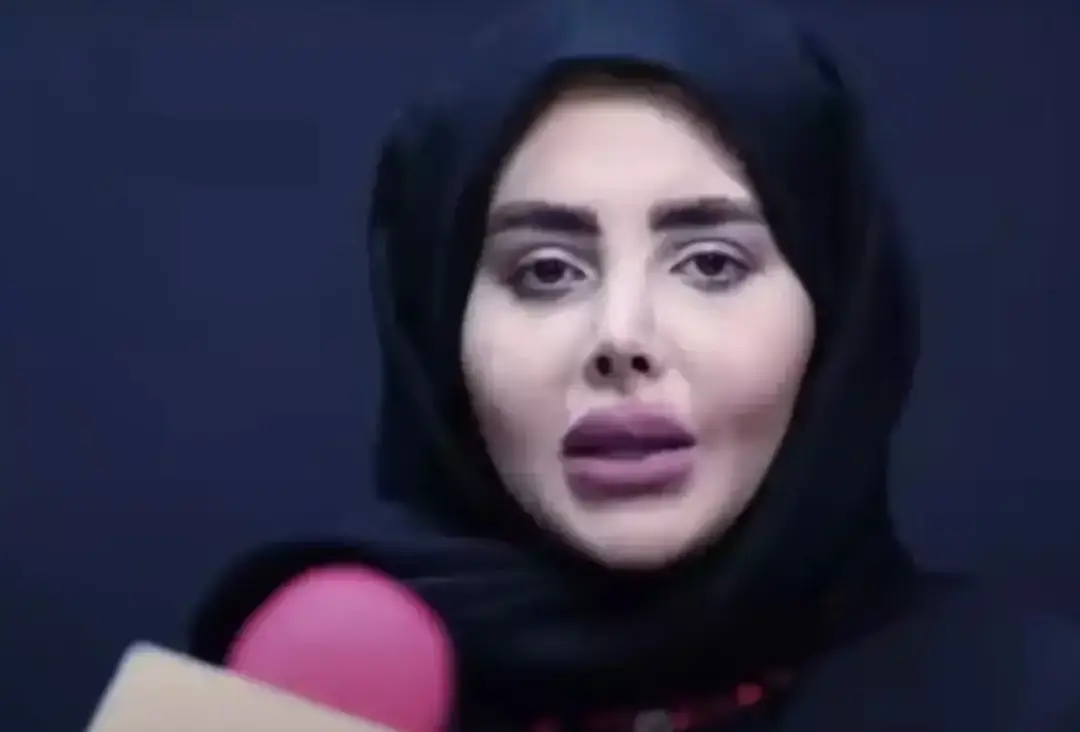
The reveal sparked fresh reactions across social media, with some people sympathising with the pressure surrounding appearance and fame, while others focused on how far people may go for attention.
“It’s amazing how many people put so much thought into what other people are doing to be comfortable in their own skin.”
“Wow! It’s so sad what lengths people would go to for fame…”
In October 2019, Sahar was arrested in Iran as authorities moved against social media influencers.
She initially faced charges including blasphemy, inciting violence, gaining income through inappropriate means and encouraging youth corruption. The blasphemy and inciting violence charges were later dropped, and she was ultimately convicted of corruption of young people and disrespect for the Islamic Republic.
In December 2020, she was sentenced to 10 years in prison. However, following international outcry and a televised appearance on the state-run Rokna channel where she revealed her real appearance, she was released on bail in mid-December 2020 after serving approximately 14 months in custody.
This period of her release coincided with a broader crackdown on activism in Iran. In September 2022, widespread protests erupted across the country following the death of Mahsa Amini, a 22-year-old Kurdish-Iranian woman who died in police custody after being arrested by Iran’s morality police over her hijab wearing. Her death sparked the Woman, Life, Freedom movement and resulted in hundreds of protesters being killed by security forces.