

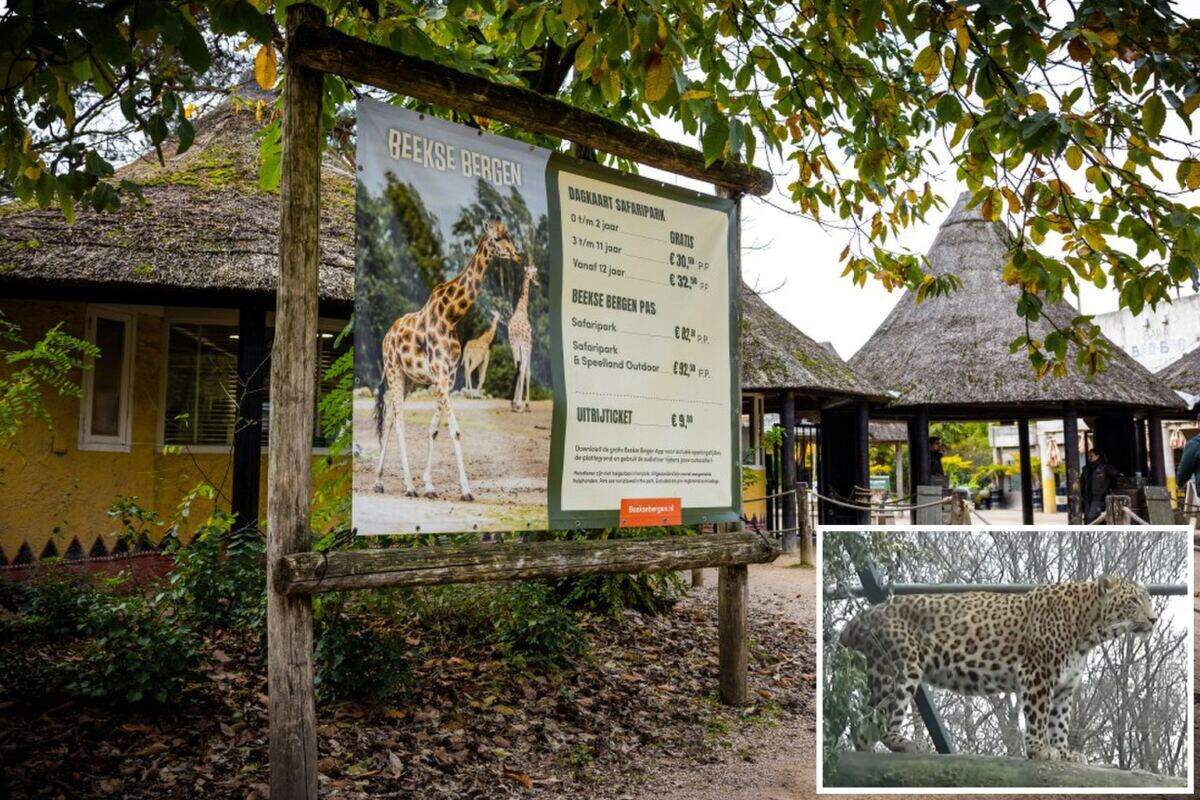
A veteran zookeeper at a Dutch safari park has died after being mauled by two Persian leopards inside an indoor enclosure.
The keeper, who had worked at Beekse Bergen in Hilvarenbeek for nearly 40 years, was caring for the animals on Friday because bad weather had moved them indoors, the park said in a statement. She began working at the facility at age 17 and, apart from a few brief interruptions, had dedicated her entire adult life to the safari park.
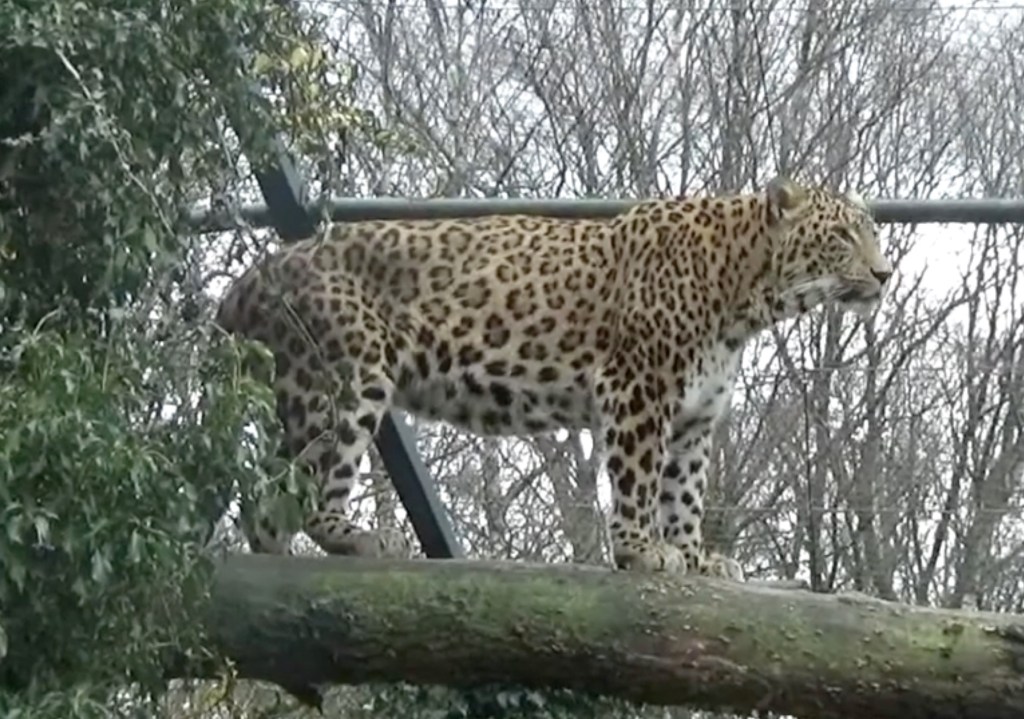
The attack left her with grave injuries to her head and neck. During the mauling, she desperately called for help over her walkie-talkie, according to Dutch News. Colleagues responded to the emergency transmission, but the injuries proved fatal.
How the keeper ended up in direct contact with the predators remains unknown. The indoor facility where the attack occurred has no surveillance cameras, leaving investigators without footage to reconstruct the moments before the mauling.
A park spokesperson, Omroep Brabant, addressed the leopards’ behavior in remarks to local media. “They are, and remain, predators,” Brabant said.
The park released a statement expressing grief over the loss. “The keeper started at the Beekse Bergen Safari Park at the age of 17 and worked here, with only a few short interruptions, for nearly 40 years,” the park said.
“Her passing also deeply affects us all, and we are intensely grieving with her family, friends, and loved ones. We ask for peace and privacy for her loved ones and our staff, so that they can process this profound loss,” the statement continued.
Beekse Bergen, located in the southern Netherlands near the Belgian border, is one of the country’s largest safari parks and houses numerous exotic species across its sprawling grounds. The two Persian leopards involved in the fatal incident were described as behaving normally prior to the attack.
An investigation is currently underway to determine the precise circumstances that led to the tragedy. Authorities have not yet indicated when findings might be released.
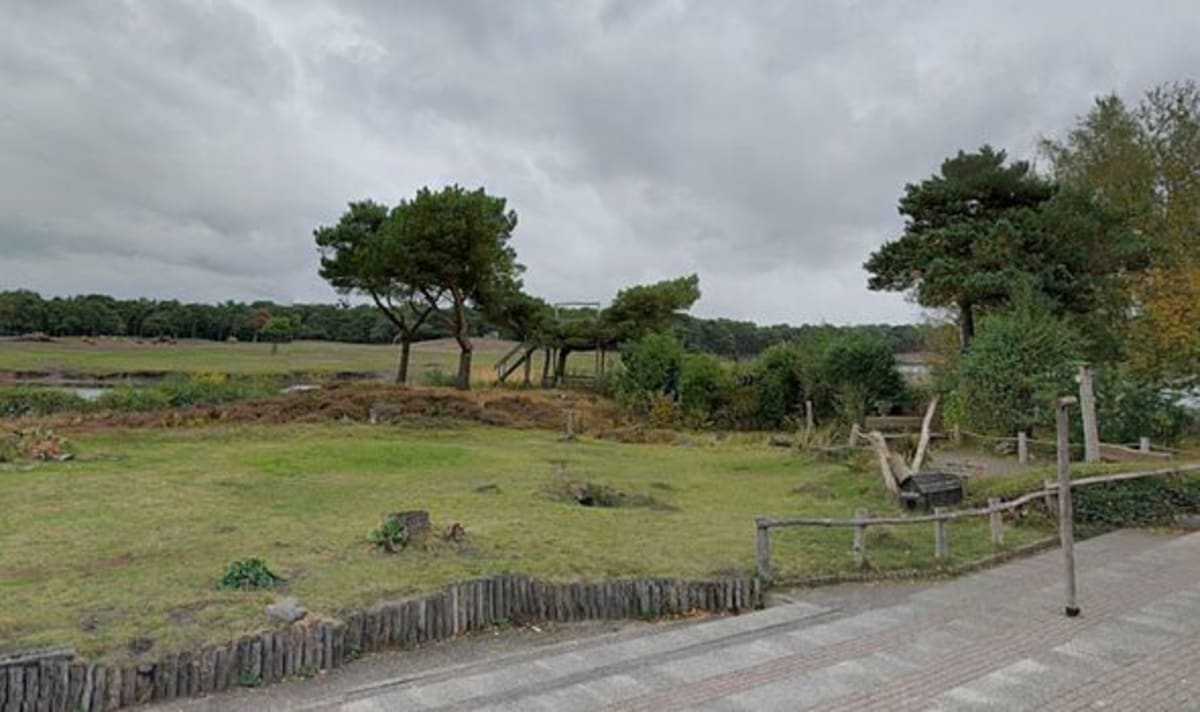
The incident marks one of the most serious accidents in the park’s recent history and has prompted renewed scrutiny of safety protocols for keepers working with large carnivores in enclosed spaces.