

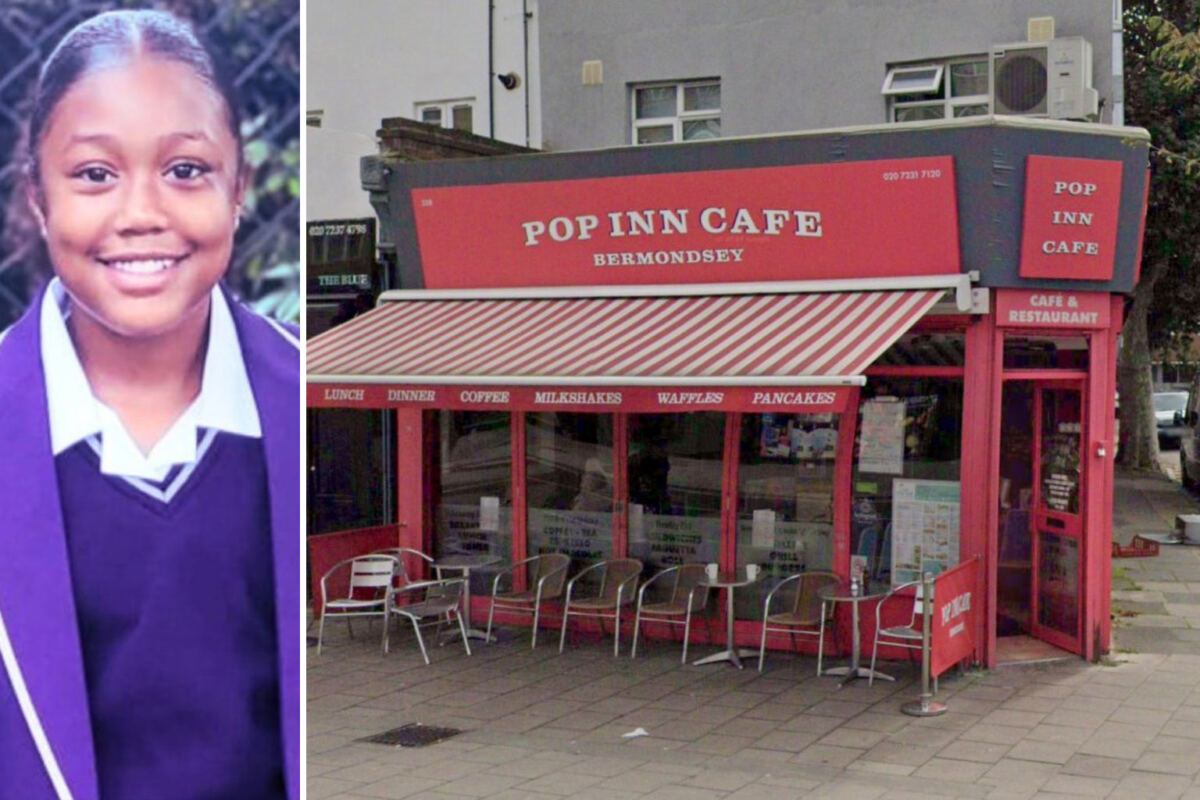
Mia Shay St Hilaire’s parents issued a statement Thursday calling for systemic food allergy reforms after a coroner confirmed their daughter died from a contaminated milkshake at a London cafe.
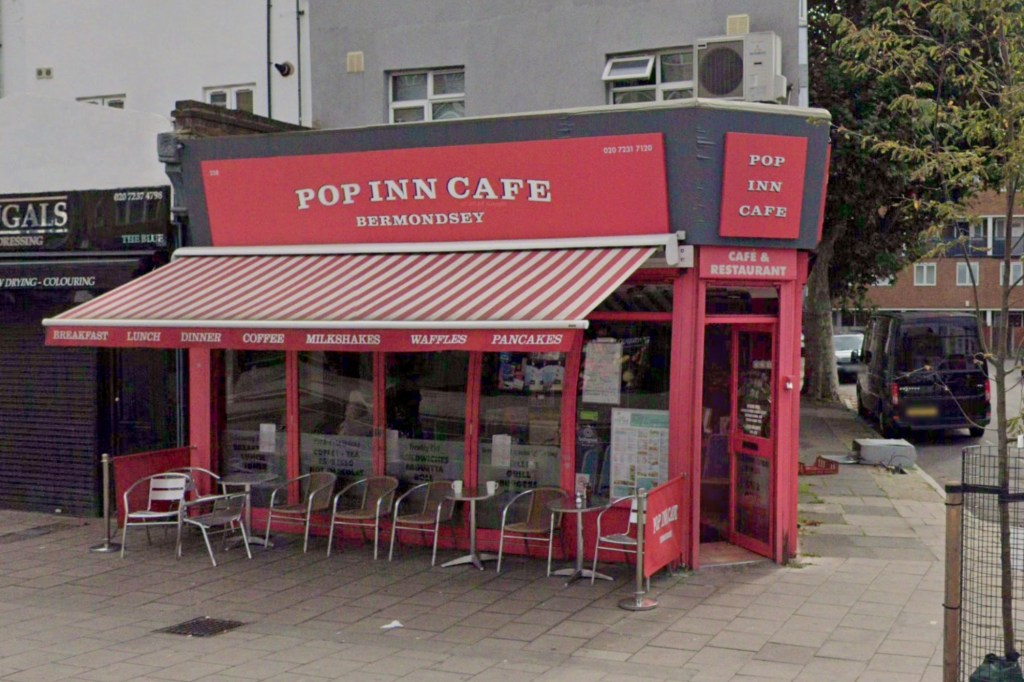
The 12-year-old, who had a severe tree nut allergy, collapsed at her aunt’s home last August after drinking a Twix milkshake from Pop Inn cafe in London. She was rushed to Evelina London Children’s Hospital’s intensive care unit, where she died. A coroner determined she suffered rapidly progressing anaphylaxis triggered by hazelnut residue left in an unwashed blender.
Baris Yucel, the cafe’s owner, had prepared a Kinder Bueno milkshake containing hazelnut in the same blender immediately before making St Hilaire’s order. CCTV footage captured him failing to clean the equipment between uses.
“No family should ever have to lose a child in these circumstances,” St Hilaire’s parents said in their statement. “If the local authority had ensured that the cafe’s allergy management responsibilities had been properly understood, and put into practice, we believe Mia would still be alive today.”

Yucel admitted to six Food Safety Act violations following the August 2023 death. The charges included failing to make allergen information visible to customers, mismanaging contamination during food production, and serving food containing an unintended allergenic ingredient. He was fined £18,000 (approximately $24,000), ordered to complete 100 hours of community service, and no longer owns or operates the cafe.
“The Judge accepted that Mr. Yucel had shown genuine remorse,” his lawyer told Southwark News. “He took immediate steps to better educate himself in September and October 2023 and pleaded guilty at the first opportunity.”
“Mr. Yucel has had to live with the consequences what happened and a day does not go by when he does not think about the child and her family.”
St Hilaire’s parents are now demanding structural changes to prevent similar tragedies. They argue that existing food hygiene ratings fail to inform consumers about allergy management practices.
“We are convinced that significant changes are needed to protect people living with food allergies,” they said.
“Consumers rely on food hygiene ratings when deciding where it is safe to eat, but they do not tell us anything about the way a food business runs allergy management systems … There should be a separate, clearly displayed rating dedicated to allergy management, like the food hygiene rating.”
The parents framed their advocacy as extending their daughter’s impact. “We want to make sure that change is Mia’s legacy so that we can help to save lives in the future … Mia was, and is, deeply loved and she will never be forgotten.”
Food allergy statistics underscore the scale of risk: one in thirteen American children has a food allergy, with 42 percent experiencing severe reactions. The US sees 3.4 million annual emergency room visits for food allergy-related incidents, according to Food Allergy Research and Education. Anaphylaxis claims roughly 225 lives yearly in the US, though most deaths stem from drug rather than food allergies. The UK maintains more standardized allergen regulations than the US, where rules vary by state and city, requiring all food businesses to declare regulated allergens including tree nuts.