

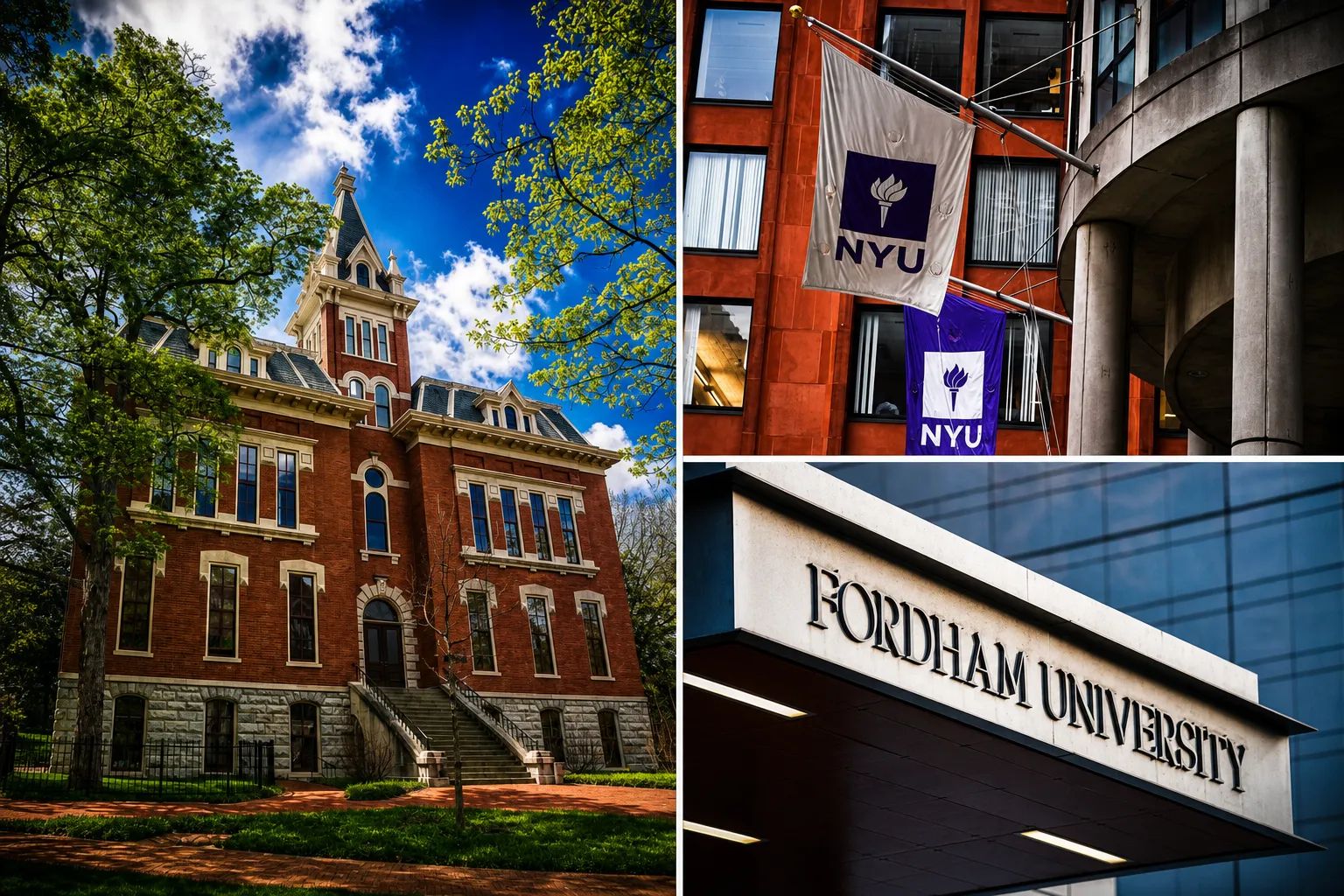
Fifteen U.S. Colleges now charge more than $100,000 per year, a massive jump from just two schools the previous year, according to the outlet analysis of Princeton Review data.
That sticker price puts the total four-year cost near half a million dollars for families paying full freight. Another nine institutions sit within single dollars of crossing the same threshold, the Princeton Review figures showed.
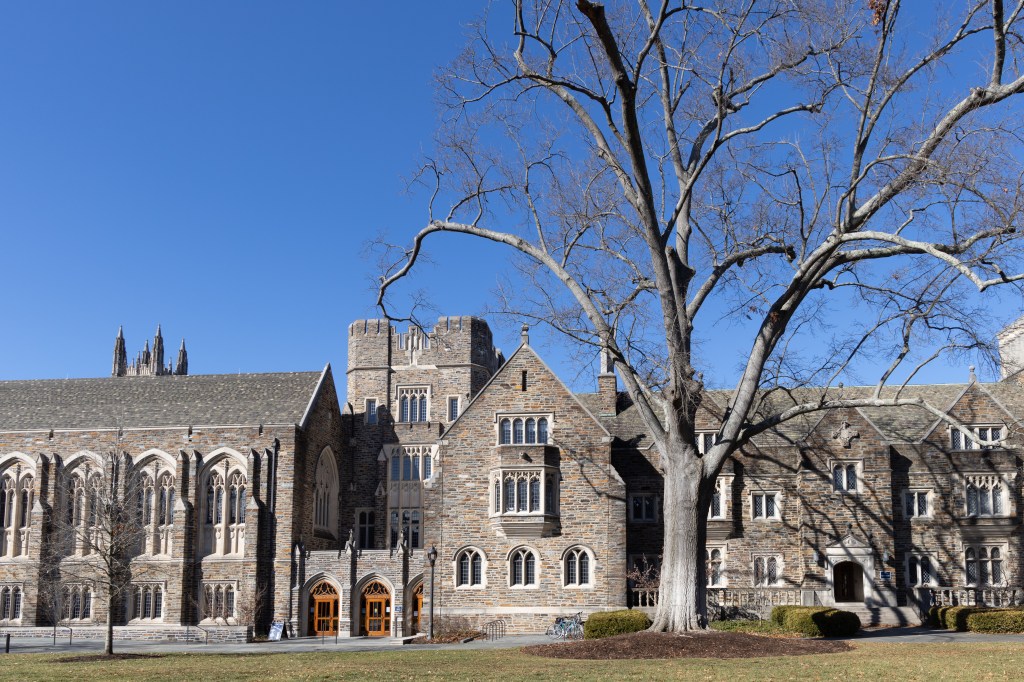
Harvey Mudd College in California tops the list at $104,512 annually, yet landed only 50th in a Wall Street Journal assessment measuring financial return on investment against graduate earnings. The University of Chicago, third-priciest at $103,821 per year, ranked 60th on that same “Best Value” list. Duke University fared worse at 166th for value despite its elite reputation.
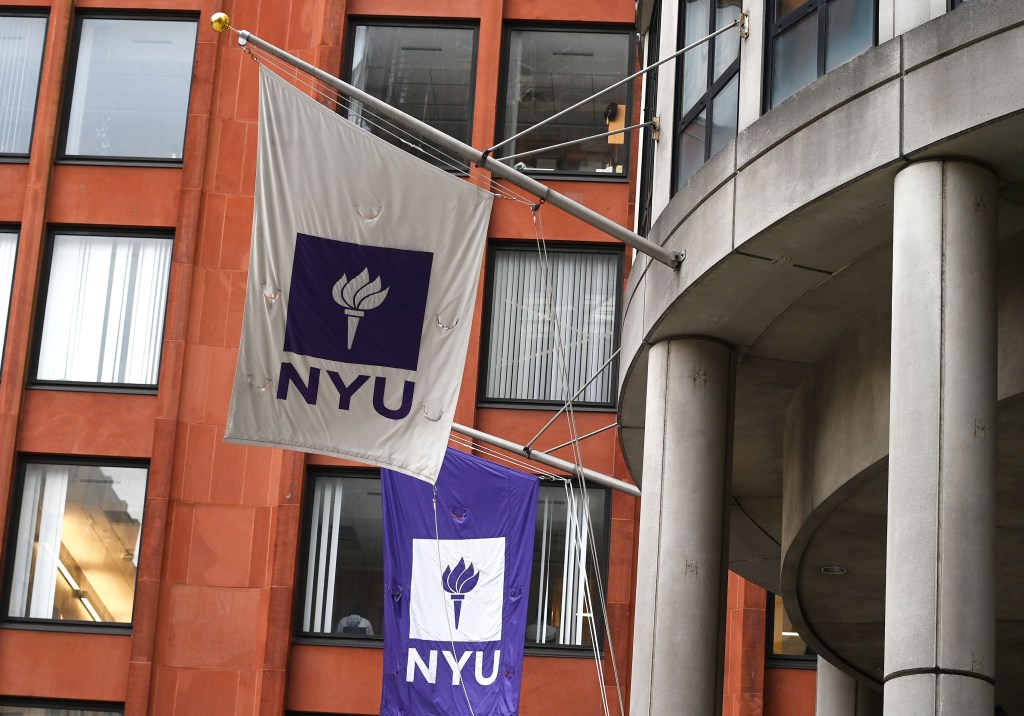
Other prestigious names cratered further down the ROI rankings. New York University placed 321st for value while standing as the 12th most expensive. Fordham University, eighth-priciest, ranked 423rd. Vassar College hit 514th for value despite being the 10th most expensive overall.
The Wall Street Journal analysis compared estimated graduate earnings against attendance costs across hundreds of institutions. CUNY schools swept the top seven spots for best return on investment, with Princeton, Stanford and California State University, Los Angeles, clustered just behind them.
“Without question, when schools start to charge over $100,000, it starts to raise a lot of eyebrows,” Princeton Review editor-in-chief Rob Franek said. “But there’s a great deal of available aid.”
That aid can reshape the picture dramatically. Washington University averages about $75,880 in need-based financial assistance, cutting its $102,260 sticker price to roughly $29,195 annually — a discount approaching 75%. The University of Chicago and Wesleyan University offer similar aid-based reductions around 75%, while Harvey Mudd, Duke, Vassar and Claremont McKenna provide need-based discounts from 60% upward.
“These prices exist for families with very high incomes, at least $300,000 or $400,000 a year,” Wellesley College economics professor Phillip B. Levine said of the uncut top tuitions. “They reflect the fact that most of these schools are spending more per student than they charge, and the cost of providing that education is rising at rates faster than inflation,” Levine added.
Still, only about half the students at the nation’s top schools qualify for need-based financial aid. That leaves the other half shouldering the full six-figure annual bill, a burden that strains even high-earning households, experts noted.
“For certain people, this is really significant,” said Sandy Baum, a fellow at the Urban Institute economic thinktank.
The broader national trend runs counter to these eye-popping outliers. Average tuition at nonprofit private universities actually fell from $40,480 in the 2016-2017 school year to $37,380 for 2025-2026, according to College Board data. Public four-year colleges saw similar declines, from $24,310 to $21,340 over the same stretch.
“To think this is what it costs to go to college,” Baum said, “is very misleading.”
Ivy League institutions Brown, Columbia and Cornell each charge just under the $100,000 threshold, joining the cluster of near-six-figure schools. Experts emphasize that fixating on these maximum prices distorts the reality for most students, pointing to numerous excellent institutions with far more moderate costs that can deliver comparable or stronger post-graduation salaries.