


The jury in Lindsay Clancy’s murder trial may force the judge to declare a mistrial if it sends a third note declaring itself deadlocked.
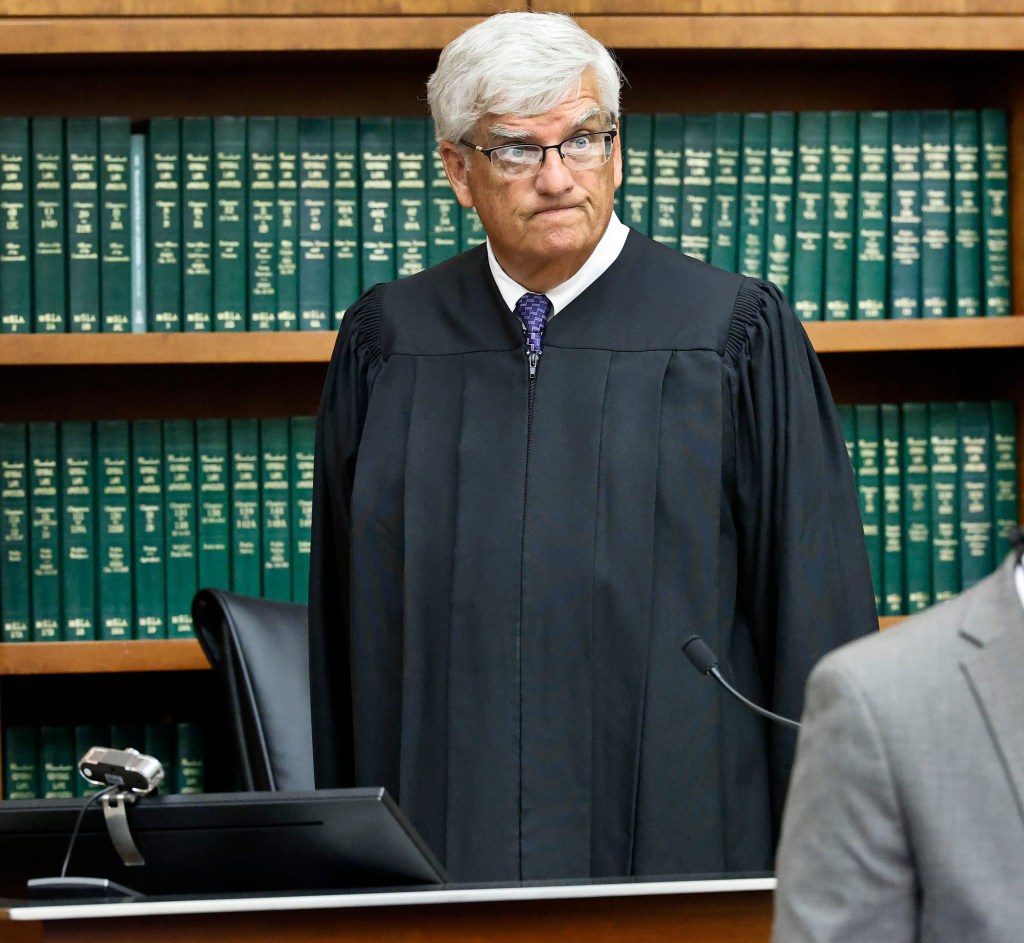
The 12 jurors, nine women and three men, have already spent 31 hours deliberating across six days in Plymouth, Massachusetts, and have twice informed Judge William Sullivan they cannot reach a unanimous verdict. On Wednesday, Sullivan read them what is known as a Tuey-Rodriguez instruction, a last-resort judicial charge formally urging panelists to continue working toward consensus rather than surrendering to disagreement.
Veteran Boston criminal defense attorney Brad Bailey predicted the instruction will not survive another failure. “If they come back after Tuey is read and say we are hopelessly deadlocked, that usually is it and should be it according to the case law,” he explained.
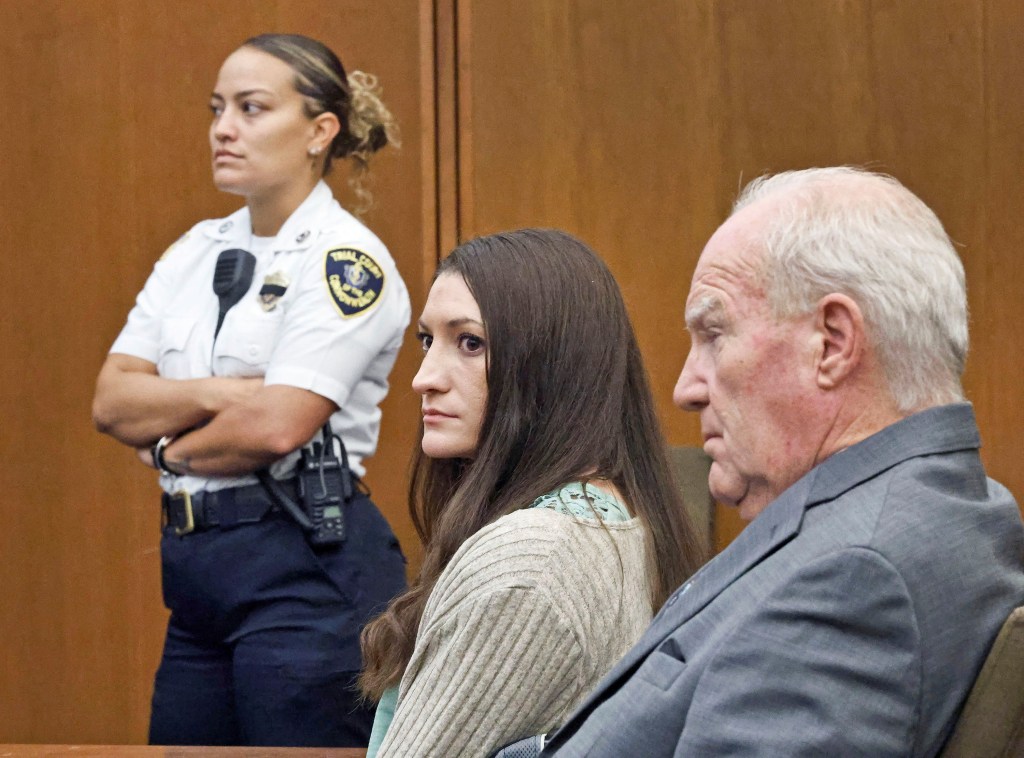
The possibility of a second Tuey-Rodriguez reading briefly animated Massachusetts legal circles after Clancy’s lawyer, Kevin Reddington, told reporters Wednesday that Sullivan could deliver the charge again. Boston lawyer Peter Elikann researched the question and found uncertainty. “I researched it and talked to people,” he said. “My reading is you can’t [read Tuey again] but the law is kind of vague.”
Bailey clarified that a second reading could occur under specific circumstances. If the jury itself asked Sullivan to repeat the instruction, he could comply. Alternatively, if the panel sent a third note indicating struggle but expressing desire to continue deliberating, the judge would not be compelled to declare mistrial.
The decisive line, according to both attorneys, separates struggle from hopeless deadlock. Should the jury notify the court for a third time that it is hopelessly deadlocked, Sullivan would have no remaining option. “I think if they come back a third time, in all likelihood the judge would not continue to push, pressure, and prod them,” Elikann said.

Elikann emphasized the diminishing returns of prolonged deliberation after multiple impasse declarations. “I would say they really spent so much time since they said they were deadlocked and at some point it becomes a pointless exercise and I would suspect it’s going to be relatively soon at this point,” he added.
Clancy, 36, faces first-degree murder charges for the deaths of her three children: Cora, 5, Dawson, 3, and 8-month-old Callan. Prosecutors allege she strangled them on January 24, 2023, at the family’s Duxbury home. Reddington has asked jurors to find her not guilty by reason of insanity, arguing she suffered severe postpartum psychosis and was hallucinating a voice instructing her to kill the children and then herself.

The case has drawn intense attention to the intersection of maternal mental health and criminal responsibility, with Reddington’s defense centering on psychiatric crisis rather than premeditated violence. The jury’s prolonged deadlock suggests at least some panelists have found the insanity defense sufficiently credible to prevent conviction, though the precise division of opinion remains sealed in deliberations.
Wednesday’s Tuey-Rodriguez instruction represents Sullivan’s attempt to break the stalemate without prematurely abandoning the trial. Massachusetts courts have long recognized that juries sometimes resolve differences after receiving such encouragement, but case law also establishes limits on how long judges may press divided panels before accepting that consensus is impossible.
The trial’s outcome now hinges on whether the jurors’ next communication signals persistent effort or final surrender. A mistrial would leave prosecutors to decide whether to retry Clancy on the same charges, potentially beginning the entire process anew with a different jury.
If you or someone you know is affected by any of the issues raised in this story, call the National Suicide Prevention Lifeline at 800-273-TALK (8255) or text Crisis Text Line at 741741. If you are struggling with suicidal thoughts, you can dial the 24/7 National Suicide Prevention hotline at 988 or go to SuicidePreventionLifeline.org.