


Infants and young children are particularly vulnerable to the dangers of extreme heat, as their bodies cannot regulate temperature as effectively as adults. With heat-related illness becoming an increasingly pressing concern during summer months, parents and caregivers need to understand the risks and take concrete steps to protect babies when temperatures soar.
Babies are significantly less equipped to handle heat than older children and adults. Children sweat less than adults and have a higher metabolism that makes them heat up faster, and in extreme heat, their higher surface area-to-mass ratio increases heat absorption. Additionally, babies’ sweat glands aren’t fully developed, making it more difficult for them to cool their bodies down when it’s hot outside. This physiological difference is not merely a comfort issue—overheating is thought to be a risk factor for sudden infant death syndrome in infants.
The American Academy of Pediatrics suggests parents avoid taking babies outside for long periods of time if the heat index exceeds 90 degrees Fahrenheit. When the heat index reaches this threshold or beyond, parents should plan outdoor activities for the early morning or late evening hours so they can spend the hottest parts of the day inside.
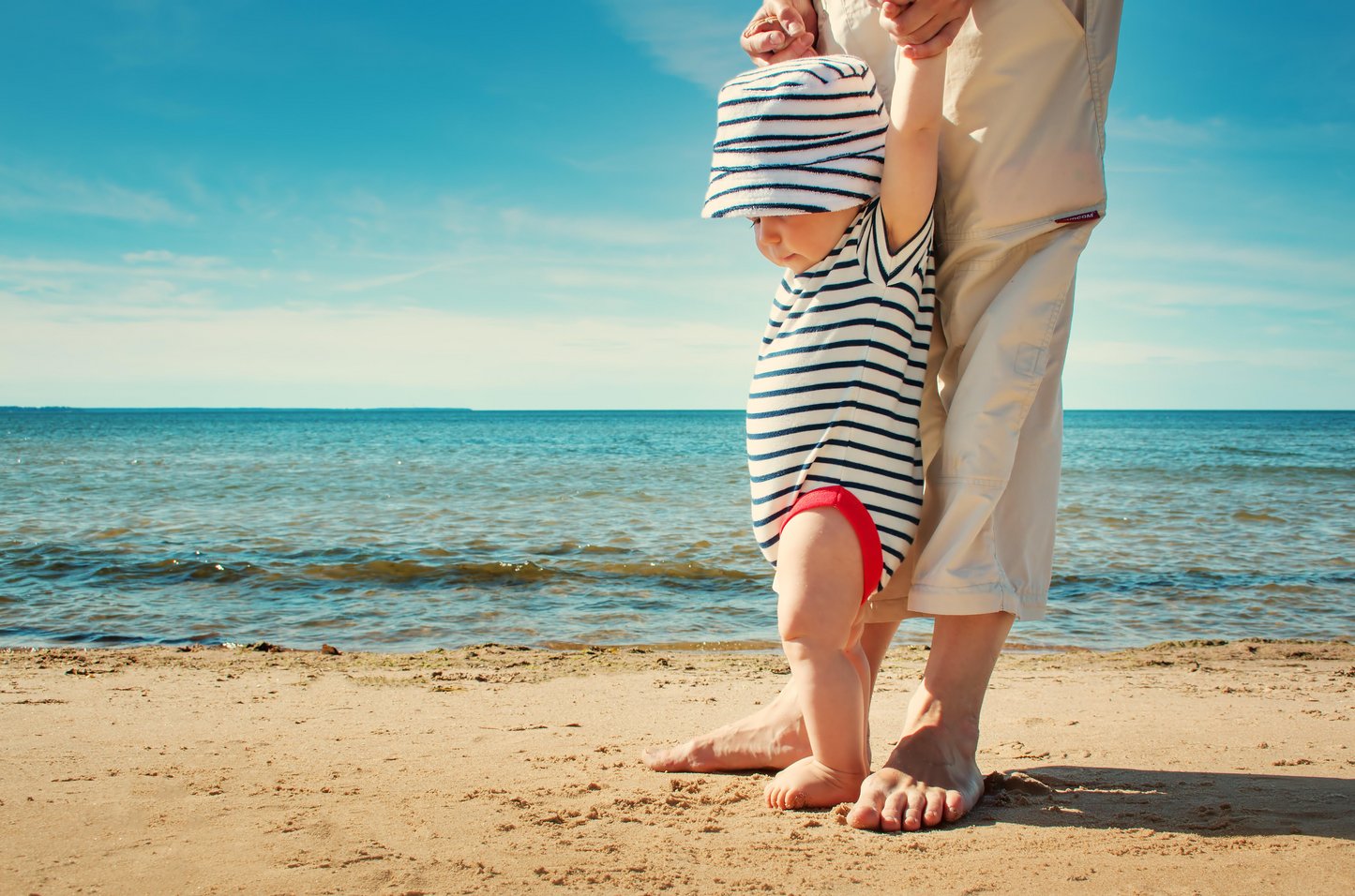
Proper clothing is one of the simplest ways to keep babies cool. On hot days, dress babies in a single layer of lightly colored, breathable material, like a lightweight cotton onesie or loose-fitting outfit. Cotton will help babies stay cooler than synthetic fabrics like polyester and nylon. When outside, using wide-brimmed sun hats and stroller canopies provides essential protection, but parents should avoid covering strollers with blankets, which can trap heat dangerously. Instead, use a canopy designed for shade.
Keeping babies hydrated is crucial in hot weather. Young infants should be offered breastmilk or formula to stay hydrated, and it’s generally recommended to wait until babies are at least 6 months of age to give them water. For older babies, water can help keep them cool and hydrated. Parents should feed infants in smaller quantities more frequently to ensure they’re getting enough fluid. A lack of tears or regular wet diapers could indicate a baby is dehydrated. On particularly hot days, babies typically need 50 percent more fluid than they normally consume.
The temperature of a baby’s sleeping environment is equally important. According to pediatric guidelines, the ideal temperature for a baby’s room is between 68 and 72 degrees. Keeping a baby’s room cool is especially important when they sleep because overheating can put an infant at risk for SIDS. If air conditioning is not available, families can use ceiling fans or box fans that aren’t pointed directly at a sleeping baby, or seek shelter at a community cooling center during extreme heat events.
Parents should watch closely for signs of heat-related illness in babies. Because infants can’t communicate discomfort, caregivers need to recognize warning signs. A lack of tears, reduced wet diapers, unusual behavior, irritability, lethargy, and restlessness can all indicate a baby is overheating or becoming dehydrated. If a baby is sweating, has been several hours without a wet diaper, is vomiting, having muscle spasms, or breathing quickly, parents should call their pediatrician immediately. These could be signs of dehydration or heat illness requiring urgent medical attention.
Heat rash is another common concern in hot weather. If a baby develops a rash on the neck, chest, groin, armpits or elbow creases, bring them inside to cooler, air-conditioned air. A cool bath or washcloth can help wipe away sweat, and replacing sweaty clothes with dry ones should resolve the issue. No powders or skin ointments are necessary—heat rash generally goes away once a baby’s skin cools down.
Regarding sun protection, sunscreen should not be applied to babies under 6 months of age, as sunscreens can cause skin irritation in a young baby’s developing skin. Instead, keep young infants out of direct sunlight by finding shade under trees or covered areas, dressing them in protective clothing, and using stroller shades. Babies 6 to 12 months of age should use hypoallergenic and fragrance-free sunscreen with broad-spectrum UVA and UVB protection and a minimum SPF of 30, applied at least 30 minutes before going outside.
One of the most critical dangers babies face in hot weather is being left in vehicles. A child’s body temperature rises three to five times faster than an adult’s, making hot cars exceptionally hazardous. In 2025, 31 children died of heat stroke in vehicles. The temperature inside a parked car can rise to dangerous levels in just 10 minutes, even with windows cracked open and in the shade. The threshold for heatstroke in children is when the internal body temperature reaches about 104 degrees Fahrenheit, and death occurs at 107 degrees or above. Experts are unequivocal: there is no safe temperature or length of time to leave a child in a car alone.
To prevent forgotten baby syndrome, caregivers should leave a purse or other personal item in the back seat, write a note or place a stuffed animal on the passenger seat as a reminder. These simple precautions ensure they don’t forget a child inside. The National Highway Traffic Safety Administration also recommends always checking the entire vehicle, especially the back seat, before locking the doors and walking away.
As heat waves become more common due to climate change, protecting babies from extreme heat has become a critical part of summer parenting. By understanding babies’ unique vulnerability, taking preventive measures, and staying vigilant for signs of heat illness, parents can ensure their infants stay safe and healthy when temperatures soar.