

A federal judge in San Francisco has granted final approval to a landmark $1.5 billion settlement between the artificial intelligence company Anthropic and a class of authors and publishers who sued over the company’s use of pirated books to train its Claude chatbot. The approval, issued Monday by U.S. District Judge Araceli Martínez-Olguín, concludes the largest copyright settlement in American legal history and marks the first major AI copyright case to reach a resolution.
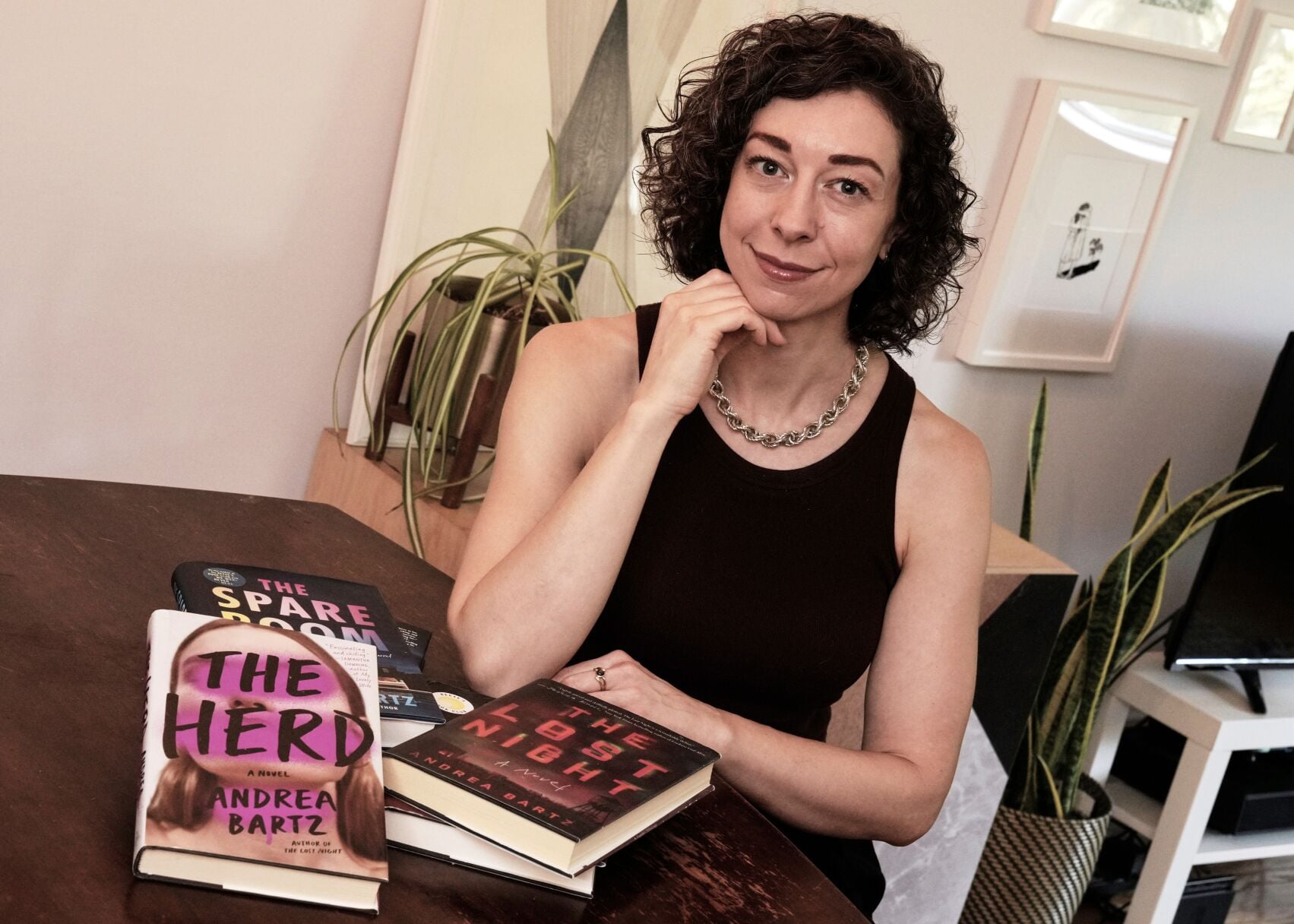
The lawsuit, filed in August 2024 by authors Andrea Bartz, Charles Graeber, and Kirk Wallace Johnson, alleged that Anthropic had engaged in what amounts to wholesale copyright infringement by downloading millions of pirated copies of books from shadow libraries including Library Genesis and Pirate Library Mirror to build training data for its artificial intelligence systems. The company did not obtain permission from the authors or publishers whose works were downloaded.
Under the settlement terms, authors and publishers will receive approximately $3,000 per book for the roughly 500,000 eligible works covered by the class action. More than 91 percent of eligible authors and publishers have already claimed their share of the compensation. The settlement does not create new licensing arrangements for future AI training and does not restrict Anthropic from using lawfully acquired materials.
In approving the deal, Judge Martínez-Olguín rejected objections from some authors who argued the settlement amount was insufficient or unfairly benefited the plaintiffs’ attorneys. She concluded that the complaints were “not grounded in a realistic assessment of the overall risks and rewards of a trial” and awarded plaintiff attorneys more than $101 million in legal fees from the settlement fund, less than the $187.5 million they had requested.
The case gained urgency over the summer of 2025 when Judge William Alsup, the original presiding judge, issued a split ruling. He found that Anthropic’s use of books to train Claude constituted “transformative fair use” under copyright law, but simultaneously determined that the company had violated copyright protection by maintaining a permanent “central library” containing more than seven million pirated books that extended beyond what was necessary for AI training purposes. Because of that finding, Anthropic faced potentially catastrophic statutory damages at trial, with exposure theoretically reaching hundreds of billions of dollars. Federal copyright law allows statutory damages of up to $150,000 per infringed work.
A trial was scheduled for December 2025 to determine how much Anthropic owed for the piracy. Rather than proceed to trial, the company agreed to the settlement after preliminary approval from Judge Alsup last September. Judge Alsup has since retired and was succeeded by Judge Martínez-Olguín for the final approval hearing.
Plaintiff attorney Justin Nelson described the settlement as “the largest known copyright recovery in history” and said the parties look forward to distributing payments to class members as promptly as possible. Anthropic Deputy General Counsel Aparna Sridhar stated in a statement that the company had “reached this settlement in 2025, after the court’s landmark ruling that training AI on books is fair use under copyright law — which remains the law today.”
The settlement requires Anthropic to destroy all pirated book files and derivative copies within 30 days of final judgment. The agreement also certifies that Anthropic did not use materials from the pirated libraries in any of its commercial models.
While the settlement resolves disputes with the class members, it does not settle broader legal questions about AI and copyright. Because Anthropic chose to settle rather than let the case proceed to an appeals court, the fair use ruling issued by Judge Alsup remains a single district court decision with no binding precedent nationwide. Other federal judges presiding over the dozens of pending AI copyright cases remain free to reach different conclusions about whether training artificial intelligence systems on copyrighted works constitutes fair use.
Several authors and publishers opted out of the settlement class to pursue separate lawsuits against Anthropic, which remain ongoing. The Authors Guild and other copyright advocate groups have praised the settlement as sending a strong message to the AI industry about the serious consequences of using pirated materials to develop commercial products, particularly in an era when many creative professionals worry about their ability to sustain their careers as AI systems trained on their work become increasingly capable.