

Attorney Laura Sgro, representing five women who accuse a renowned Jesuit priest of sexual and spiritual abuse, has issued a forceful criticism of the Vatican’s closed legal system, taking particular aim at the secrecy surrounding the investigation and her clients’ exclusion from the process.
In a strongly worded letter sent Tuesday to Cardinal Victor Manuel Fernández, the Vatican’s doctrine office prefect, Sgro denounced the lack of transparency and her clients’ inability to participate meaningfully in proceedings against Rev. Marko Ivan Rupnik. She questioned how the Vatican’s approach could be reconciled with Pope Francis’s stated commitment to abuse victims.
“How can what is happening be reconciled with the concepts of law, truth, justice, and fairness?” Sgro wrote. “With the words that the Holy Father constantly speaks on behalf of the victims of abuse?”
The letter was prompted by a report Monday from an Italian blog, Messa in Latino, stating that Rupnik had been absolved in a canonical trial. The Vatican has neither confirmed nor denied the report, offering only the statement Tuesday that the case remains ongoing. The uncertainty has left victims and their advocates in the dark about whether Rupnik faced formal charges and what those charges might be.
Sgro’s frustrations run deep. In her letter, she complained that the Vatican has never responded to her calls or emails requesting information about the case, and that her five clients have never even been interviewed by Vatican officials. The opacity stands in sharp contrast to how secular legal systems operate, where defendants face their accusers and victims have rights to participate in proceedings.
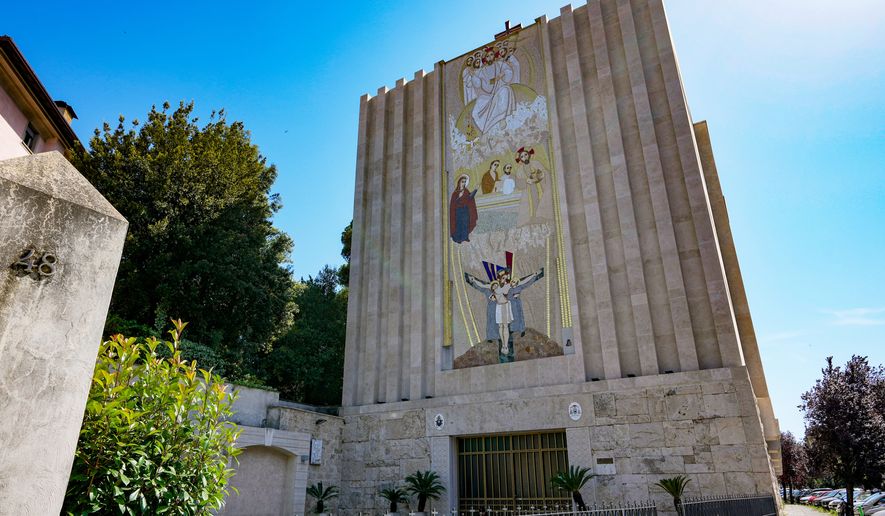
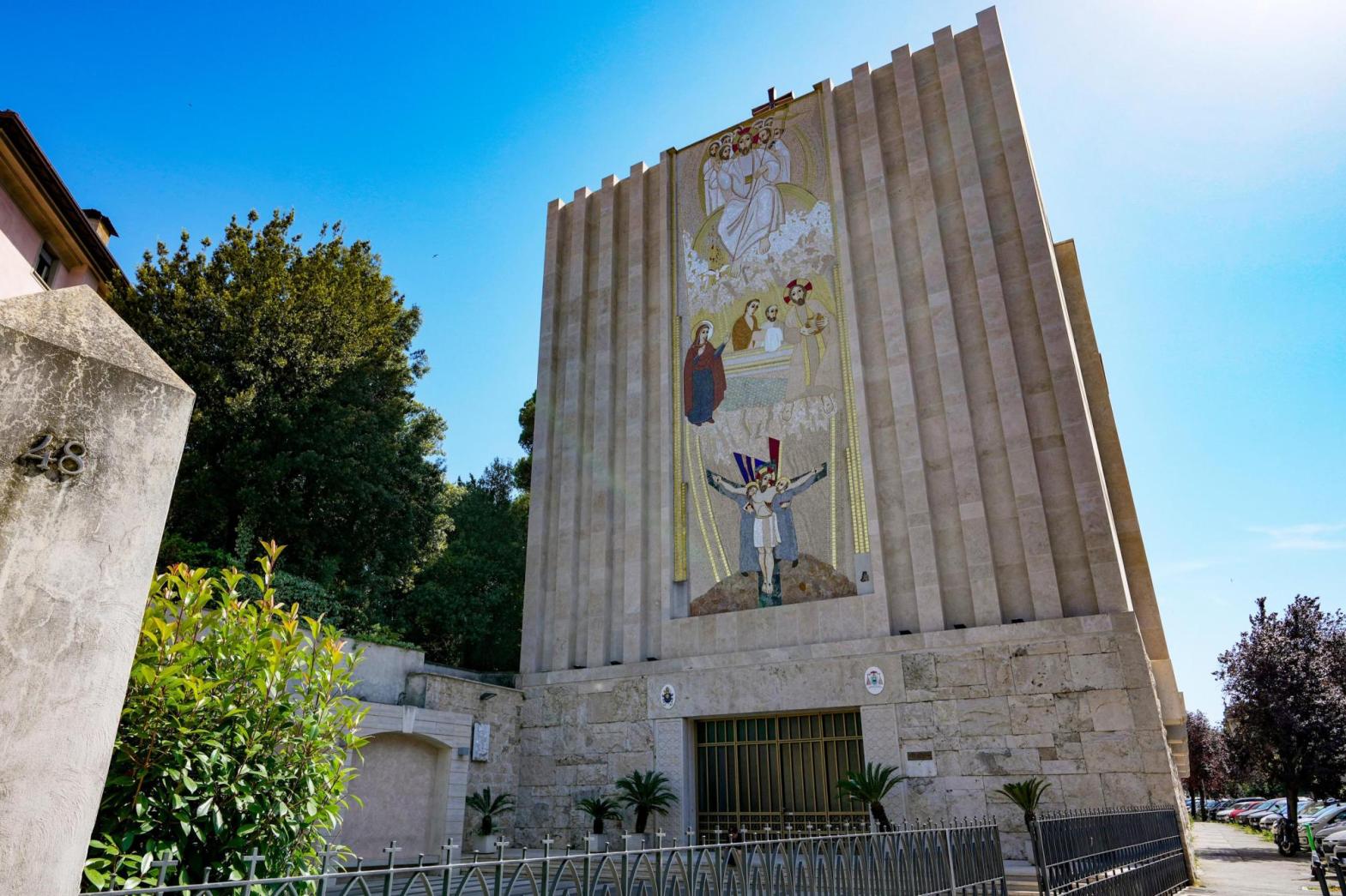
The Rupnik scandal represents one of the most sensitive matters facing the Holy See in recent years. The Slovenian priest, now 70, is an internationally celebrated religious artist whose intricate mosaics decorate major Catholic shrines worldwide, including the Lourdes Basilica in France and churches throughout the Vatican itself. For decades, he directed the Centro Aletti, an art institute he founded with papal blessing in the early 1990s, where he taught and worked alongside the women who now accuse him of abuse.
The scandal first exploded into public view in late 2022 when Italian blogs reported allegations from women and nuns dating back decades. More than two dozen women have since come forward with accusations that Rupnik sexually, spiritually, and psychologically abused them over a 30-year period, often while they collaborated with him on his artistic projects.
The Vatican’s handling of the case has been marked by apparent delays and reluctance to act. Although preliminary investigations found the allegations credible as early as May 2019, it took years for the church to respond meaningfully. In 2020, Rupnik was briefly excommunicated for absolution of an accomplice—a grave violation involving giving sacramental absolution to a woman with whom he had engaged in sexual activity. The excommunication was later lifted.
The Jesuits suspended Rupnik in December 2022 following the explosion of media coverage, and he was expelled from the order in June 2023 for refusing to comply with restrictions imposed on his ministry. He remains a priest, however, and was incardinated into a Slovenian diocese in August 2023.
Pope Francis responded to mounting pressure by waiving the statute of limitations on older allegations in 2023, allowing the Vatican to open a proper canonical trial. However, the trial itself has been shrouded in secrecy. The Vatican has never publicly disclosed what specific crimes Rupnik allegedly committed, making it impossible for victims and the public to know whether he was absolved of all charges or only some, and whether investigations into other allegations continue.
This opacity has drawn international criticism beyond just the victims’ lawyer. In 2021, French experts who reviewed the French clergy abuse scandal concluded that the Vatican’s approach to canonical investigations breached its obligations as a United Nations observer state and member of the Council of Europe, both of which require protection of basic human rights.
Maria Campatelli, director of the Centro Aletti, has vigorously defended Rupnik and the center. She has characterized the allegations as “defamatory and unproven” and described media coverage as a “lynching” of the priest. The art center has continued promoting Rupnik’s work and spiritual writings, even as Catholic institutions around the world have grappled with whether to cover or remove his mosaics from display.
The case has raised fundamental questions about whether the Vatican’s secretive canonical system can adequately serve the interests of justice or provide any meaningful recourse for abuse victims. Unlike civil courts, canonical trials operate in near-total secrecy, with victims having no right to know details of charges, evidence, testimony, or verdicts. The accused—in this case Rupnik—retains canonical status and protections even if expelled from a religious order.
Sgro’s letter represents a rare public challenge to this system from within the legal community that works with the Vatican. Her critique strikes at the heart of one of Pope Francis’s stated priorities: improving the church’s handling of abuse cases and centering the needs and rights of survivors.
The status of Rupnik’s trial, and whether he has been fully absolved or partially exonerated, remains unclear. Vatican officials offered no additional details beyond their statement that the case is ongoing. The continued silence only deepens the frustration of the victims who, through Sgro, are demanding accountability and transparency from the church they once served.