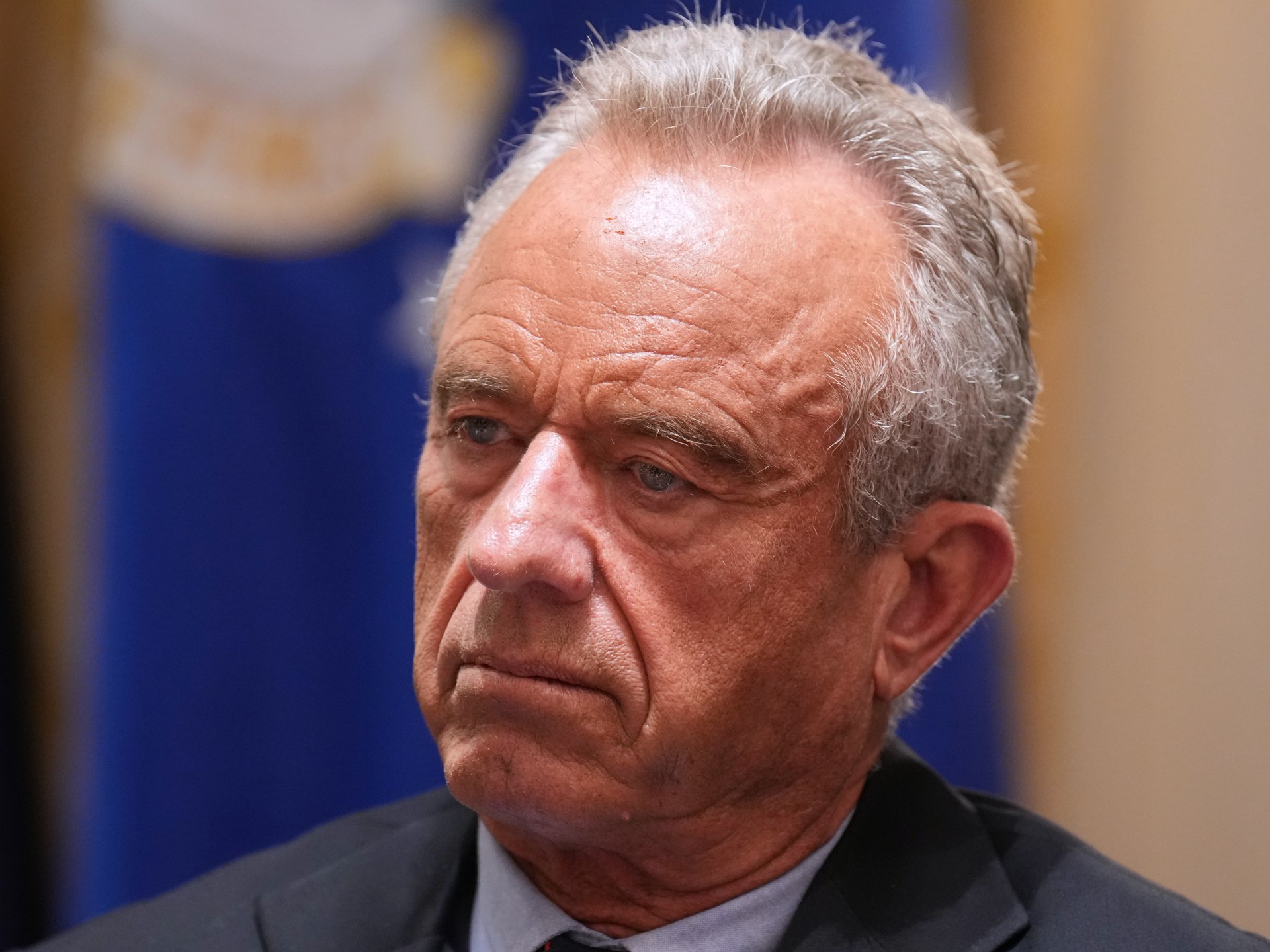
The Food and Drug Administration is poised to make a significant decision about the future of unproven peptide treatments that have become wildly popular among wellness influencers and followers of Health and Human Services Secretary Robert F. Kennedy Jr.’s Make America Healthy Again movement.
On July 23 and 24, a federal advisory committee will convene to decide whether seven peptide compounds should be added to a list of ingredients that licensed pharmacies can legally produce. The peptides under review include BPC-157, TB-500, and KPV, each marketed for uses ranging from treating ulcerative colitis and healing wounds to managing obesity, migraines, and chronic pain. The committee will also review Emideltide, Semax, Epitalon, and MOTS-C, bringing the total number of “bulk drug substances” under consideration to numerous variations.
This meeting represents the first major step in a regulatory process that Kennedy has championed since his appointment as HHS secretary. In February, Kennedy told Joe Rogan that he was a “big fan of peptides” and had used them himself for injuries “with really good effect.” He promised that his agency would move quickly to make roughly a dozen of these treatments more accessible by allowing compounding pharmacies—businesses that mix custom medications—to produce them.
Yet the FDA’s own scientists are recommending the opposite. In briefing documents prepared ahead of this week’s meeting, the agency stated there is little evidence supporting the safety or effectiveness of any of the seven compounds under review. The FDA cited inadequate human clinical trials and concerns about the quality, stability, and consistency of the products. Some peptides have never been tested in humans at all.
“There’s little research behind those claims and most peptides have not been reviewed for safety by the FDA,” the agency said in its assessment.
The growing market for peptides reveals a clash between regulatory caution and a booming wellness industry. These compounds are short chains of amino acids that naturally occur in the human body—insulin and GLP-1 weight-loss drugs are both peptides. But the injectable versions being promoted online and through wellness clinics operate in a gray market. They are not FDA-approved drugs, yet they have exploded in popularity through social media, TikTok fitness channels, and wellness podcasts.
The peptides are often pitched as quick fixes for muscle building, injury recovery, and anti-aging. Online stores sell injectable vials for $300 to $600 each, while longevity and wellness clinics offer memberships costing thousands of dollars per month. Celebrities and high-profile influencers have fueled the craze. Gwyneth Paltrow has called peptide shots one of her “biggest wellness tools,” while podcaster Joe Rogan claimed that BPC-157 helped heal an injury. Even UFC fighter Derrick Lewis recently said the organization had provided him with “great peptides.”
Kennedy’s push for easier access to peptides connects to a broader strategy. Some major supporters of his Make America Healthy Again movement, including Gary Brecka, a self-described “longevity expert” who sells various peptide formulas, have become prominent figures promoting these treatments. Kennedy has discussed using peptides for his own injuries and has argued that FDA restrictions have backfired by pushing consumers toward an unregulated black market where imported chemicals from China and other countries lack U.S. Safety standards.
The FDA actually moved in the opposite direction in 2023, placing 19 peptides onto a restrictive list that barred compounding pharmacies from producing them. The agency’s rationale was safety concerns. However, in April 2026, Kennedy reclassified 12 of those peptides, removing them from the restricted list as a first step toward potential approval. That decision opened the door to the current advisory committee review.
But the controversy extends beyond the science. Seven of the advisory committee’s 14 members have ties to businesses or clinics involved in peptide therapies. One panel member, Dr. Haleem Mohammed, runs clinics in Florida that sell injections of peptides, vitamins, testosterone, and weight loss medications as part of a national chain called Gameday Men’s Health. Such conflicts of interest have prompted questions about the fairness of the process.
Critics of the potential regulatory shift are sounding alarms. Dr. Peter Lurie, a former FDA official who now leads the Center for Science in the Public Interest, said allowing peptides on the market without clinical testing poses a “profound threat” to the FDA’s decades-old system for vetting drugs. “The Wild West is about to become wilder,” Lurie warned.
Medical professionals have expressed concern that many peptides promoted online remain largely untested in humans and may carry real health risks. Reported side effects include nausea, vomiting, gastrointestinal issues, headaches, fatigue, allergic reactions, and infections. Yet companies selling these products often do not disclose such risks.
The American Medical Association has urged the FDA to regulate gray market peptides, which the agency traditionally warns against. Public interest in these treatments has grown so dramatically that roughly half of Americans under 50 now receive health information from wellness influencers, according to experts tracking the trend.
Even if the advisory committee votes to recommend adding some peptides to the compounding list, that would not constitute final approval. The FDA would still need to conduct formal rulemaking before compounding pharmacies could legally produce them. A second advisory committee meeting is scheduled for before the end of February 2027 to review additional peptides.
The debate reflects a broader tension in American healthcare between consumer demand for experimental treatments and regulatory agencies’ responsibility to ensure safety and efficacy. As the advisory committee prepares to meet, the outcome will likely determine whether unproven peptides become more widely available to millions of Americans or remain confined to the gray market that currently supplies them.