


U.S. Mortgage rates climbed to their highest level in nearly a year this week, with the average 30-year fixed-rate mortgage reaching 6.55% as financial markets continue to grapple with global uncertainty and rising energy costs. The jump represents a significant headwind for prospective homebuyers already struggling with record-high housing prices and tight affordability conditions.
The benchmark 30-year mortgage rate rose 6 basis points from the previous week’s 6.49%, according to data released Thursday by Freddie Mac, the mortgage giant that produces one of the most widely tracked mortgage surveys. The rate marks the highest level since late August 2025, nearly a year earlier, and comes as the broader housing market faces mounting affordability pressures that are pushing would-be buyers out of the market.
The dramatic climb underscores how mortgage rate movements can dramatically alter the economics of homeownership. Even small increases of just a couple of basis points add hundreds of dollars to monthly mortgage payments, and the latest surge is pricing out substantial portions of the potential homebuying population. According to research from the National Association of Home Builders, when rates increase from 6.5% to 6.75%, approximately 1.13 million households are priced out of the market entirely, unable to meet the higher income requirements to qualify for a mortgage.
Geopolitical tensions and energy markets have emerged as the primary drivers of the recent surge in borrowing costs. Renewed fighting in the Middle East has sent oil prices climbing dramatically, rattling bond markets and pushing up the 10-year Treasury yield—the benchmark that mortgage rates closely track. Rising oil prices fuel inflation concerns, which in turn pressure lenders to charge higher rates to compensate for the eroding value of future loan repayments.
“Mortgage rates are caught between cooler inflation data and renewed energy risks,” said Kara Ng, a senior economist at Zillow. “Softer June inflation reduced the likelihood of a near-term Federal Reserve rate increase, but higher oil prices are keeping pressure on the inflation outlook and borrowing costs.”
The journey to this week’s 6.55% has been marked by dramatic swings. Earlier this year, in February, mortgage rates had briefly dipped below 6% for the first time in three and a half years, offering a glimmer of hope to the housing market after years of elevated borrowing costs. Those optimistic assumptions have evaporated. The escalation in Middle East tensions just days after rates hit that February low set in motion a series of increases that brought rates back into the upper 6% range, where they have remained stubbornly elevated through spring and into summer.
One year ago, the 30-year mortgage rate stood at 6.75%, meaning current rates remain slightly lower than they were in July 2025. However, the context matters. Throughout 2024 and 2025, rates spent much of their time in the upper 6% range, averaging 6.72% in 2024 and 6.60% in 2025. The current environment represents a continuation of that pattern of elevated borrowing costs rather than the relief many homebuyers had hoped for earlier in the year.
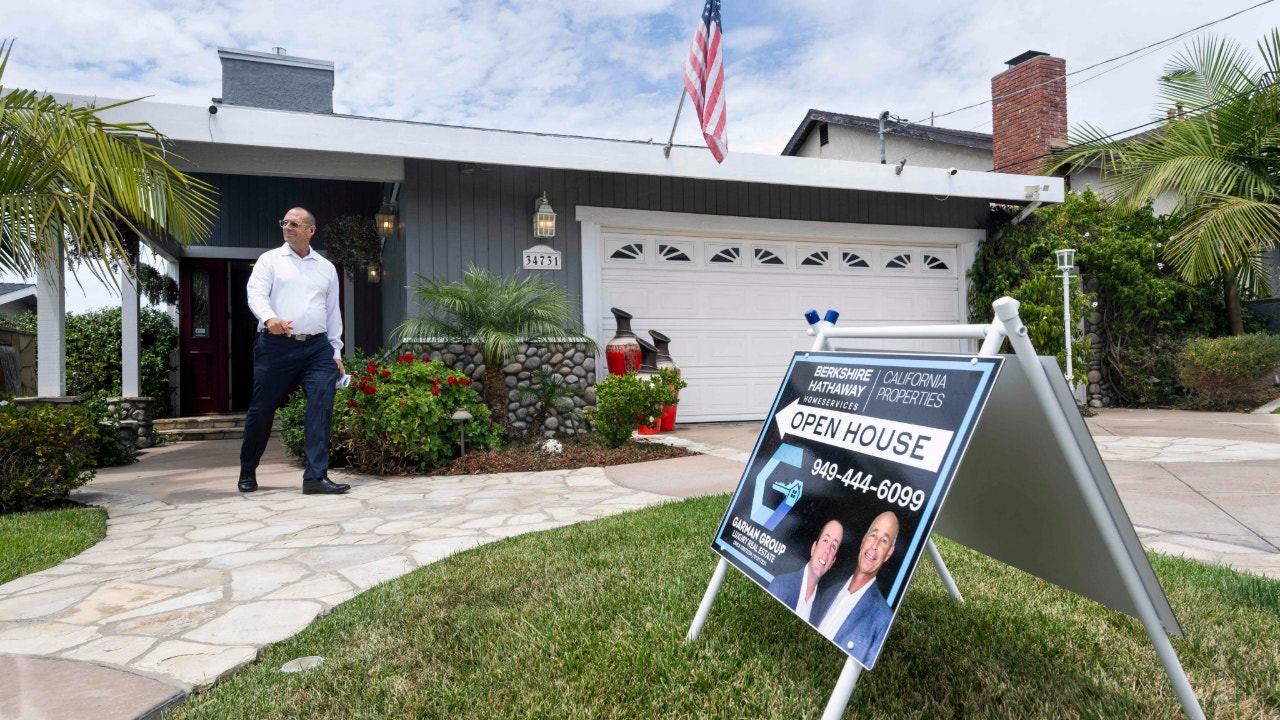
The impact on homebuying activity has been swift and measurable. For the week ending July 10, mortgage applications fell 2.7% on a seasonally adjusted basis, with purchase applications plunging 7% week-over-week, according to data from the Mortgage Bankers Association. The purchase index dipped below the prior year’s pace in the week following the July 4th holiday, signaling weakened demand despite summer traditionally being a strong buying season. Existing-home sales dropped 2.4% month-over-month in June, and pending home sales fell 5.4% in that same period, according to the National Association of Realtors.
The broader affordability picture has become even more dire. The income needed to qualify for a mortgage on a median-priced single-family home has climbed from $93,552 in January to $109,152 by June, a jump of $15,600 driven by both rising home prices and stubborn mortgage rates. With the median existing home priced at $446,400 in June, monthly principal and interest payments at current rates consume more than 25% of a typical household’s income, well above the traditional lending threshold of 20%.
Experts warn that relief may not arrive soon. Zillow economists expect rates to average around 6.4% by the end of 2026, while the Mortgage Bankers Association forecasts rates will remain in the mid-6% range through the second half of the year. Fannie Mae projects similar outcomes, with rates hovering near 6.4% for the remainder of 2026. Some forecasters have expressed cautious optimism that rates could drift toward 5.75% if economic conditions stabilize, but most mainstream projections point to rates remaining elevated through year-end.
The combination of high mortgage rates, record-high home prices, and a limited inventory of homes for sale has created what economists describe as a frozen housing market. Would-be sellers refuse to give up low mortgage rates locked in during previous years, keeping inventory tight, while would-be buyers cannot afford the prices and payments they face. The result is a market clearing at historically low volumes, with existing home sales running near a 4-million annual pace despite substantial underlying demand for housing.
For consumers, the implications are sobering. Summer homebuyers are being forced to “recalculate their purchase budgets,” as higher mortgage rates make homeownership less accessible just when the traditional peak buying season is underway. First-time homebuyers have been hit particularly hard, with the affordability crisis wiping out gains made during earlier years when housing seemed more within reach.