Oil prices have surged to levels not seen in months, and American consumers are beginning to feel the impact in three critical areas: the gas pump, grocery stores, and back-to-school shopping budgets.
Brent crude oil, the international benchmark for petroleum prices, jumped above $100 per barrel for the first time since May, driven by escalating geopolitical tensions in the Middle East. The surge reflects attacks on oil tankers in the Red Sea and increased fighting that threatens to disrupt global oil supplies through critical shipping routes like the Strait of Hormuz.
At the gas pump, the impact is already visible. National gasoline prices hit $4 per gallon again this week after several weeks of relative stability. The renewed conflict between the United States and Iran has pushed crude oil prices to their highest levels in two months, reversing recent declines that had brought relief to consumers.
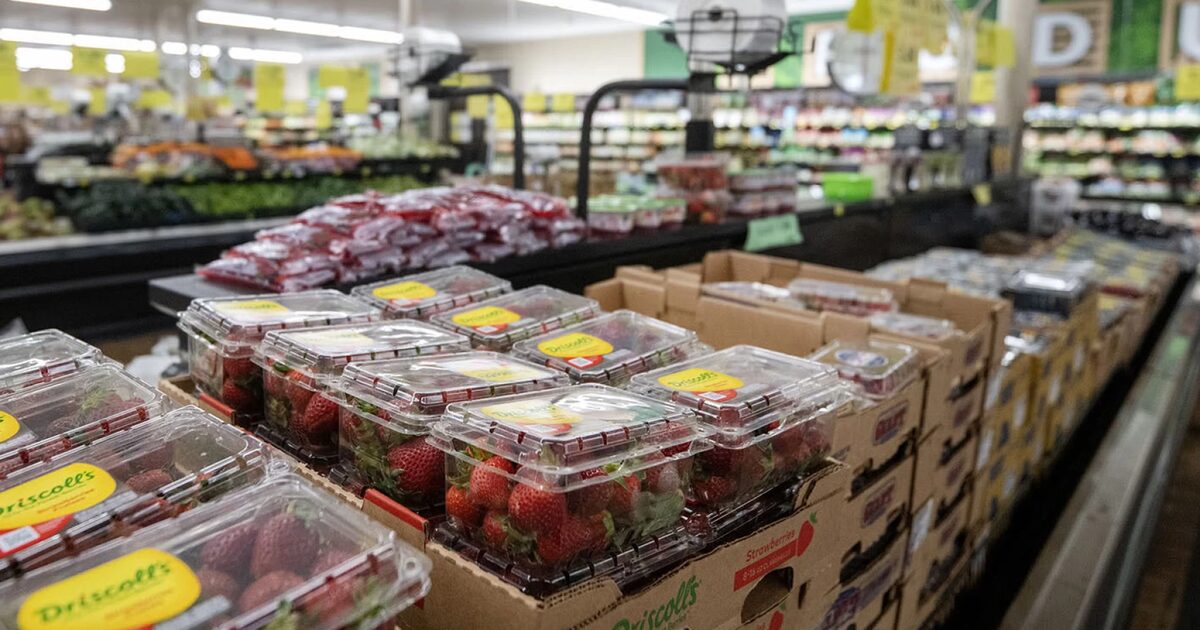
For groceries, the pipeline effect is slower but equally concerning. When oil prices remain elevated for weeks or months, they begin working their way through supply chains to grocery stores. Oil serves multiple functions in food production and delivery: it powers farm equipment, fuels trucks that transport products from farms to distribution centers, and serves as a raw material for fertilizers and pesticides. Refrigerated trucks, which require higher diesel fuel consumption, feel the impact first, meaning perishable foods like fresh produce, meat, and seafood typically see price increases ahead of packaged goods.
Food prices have already been climbing. The U.S. Department of Agriculture reported that “food at home” prices are expected to increase 3.1 percent in 2026, nearly double what was projected at the start of the year. While multiple factors contribute to food inflation, including tariffs and existing supply chain pressures, the conflict in the Middle East and resulting spike in oil and gas prices have added significant upward pressure.
Back-to-school shopping, a major consumer event that typically peaks in July, is also feeling the strain. School supply costs have jumped dramatically compared to last year. A basket of standard back-to-school supplies costs an average of $74.84 this year, up more than $20 from 2025, representing a 38 percent increase. Retailers across the board have raised prices, with some seeing increases exceeding 40 percent.
The cost increases reflect higher shipping and transportation expenses. As diesel prices climb, retailers and distributors pass those costs to consumers through higher price tags. Back-to-school spending has become a particular pressure point for families already contending with elevated everyday costs. Parents plan to spend an average of about $922 on back-to-school shopping this year, with many reporting they feel forced to cut back on other expenses to afford school supplies, clothing, and electronics.
The relationship between oil prices and consumer goods is straightforward but powerful. Oil price shocks ripple through supply chains in multiple ways: transportation costs increase, manufacturing expenses rise, and shipping routes can be disrupted or rerouted, adding time and cost to deliveries. For time-sensitive goods like groceries and perishables, these delays compound the problem.
How long consumers will experience these higher prices remains uncertain. Markets have priced in expectations that oil prices will eventually fall from their current elevated levels, but ongoing geopolitical tensions could keep prices elevated for months. Analysts note that uncertainty over potential peace talks between the United States and Iran reinforces expectations that energy markets will remain volatile.
The timing is particularly difficult for consumers already grappling with inflation. While overall inflation has decelerated from earlier highs this year, recent oil price increases threaten to reverse that progress. Energy costs have a broad impact on the economy, and when oil prices climb, businesses across industries face higher operating costs that often get passed to consumers through price increases on the shelf.
For shoppers looking to manage costs, the current environment has forced shifts in purchasing behavior. More consumers are hunting for sales, shopping at discount retailers, buying generic brands, and in some cases reusing items from prior years rather than purchasing new ones. Dollar stores have surged in popularity during back-to-school season, with one survey showing them cracking the top ten destinations for back-to-school shopping for the first time.
As oil prices remain volatile and geopolitical tensions persist, families should expect to see higher costs at the gas pump and grocery store continue through at least the remainder of summer and into fall. The trajectory of those prices will depend largely on the stability of global oil supplies and the duration of Middle East conflicts that have disrupted transportation routes for weeks now.