

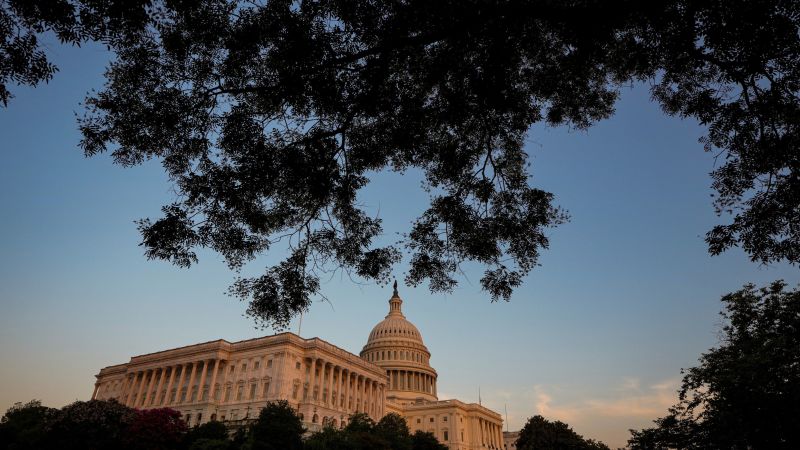
The House of Representatives passed legislation this week to make daylight saving time permanent, but the bill now faces a murky path through the Senate as key Republicans signal significant opposition despite the overwhelming 308-117 House vote.
The measure, known as the Sunshine Protection Act, would end the twice-yearly practice of adjusting clocks by permanently observing daylight saving time across most of the nation from March through November. President Donald Trump has backed the effort, calling it a commonsense reform that will improve daily life for Americans tired of changing their clocks twice annually.
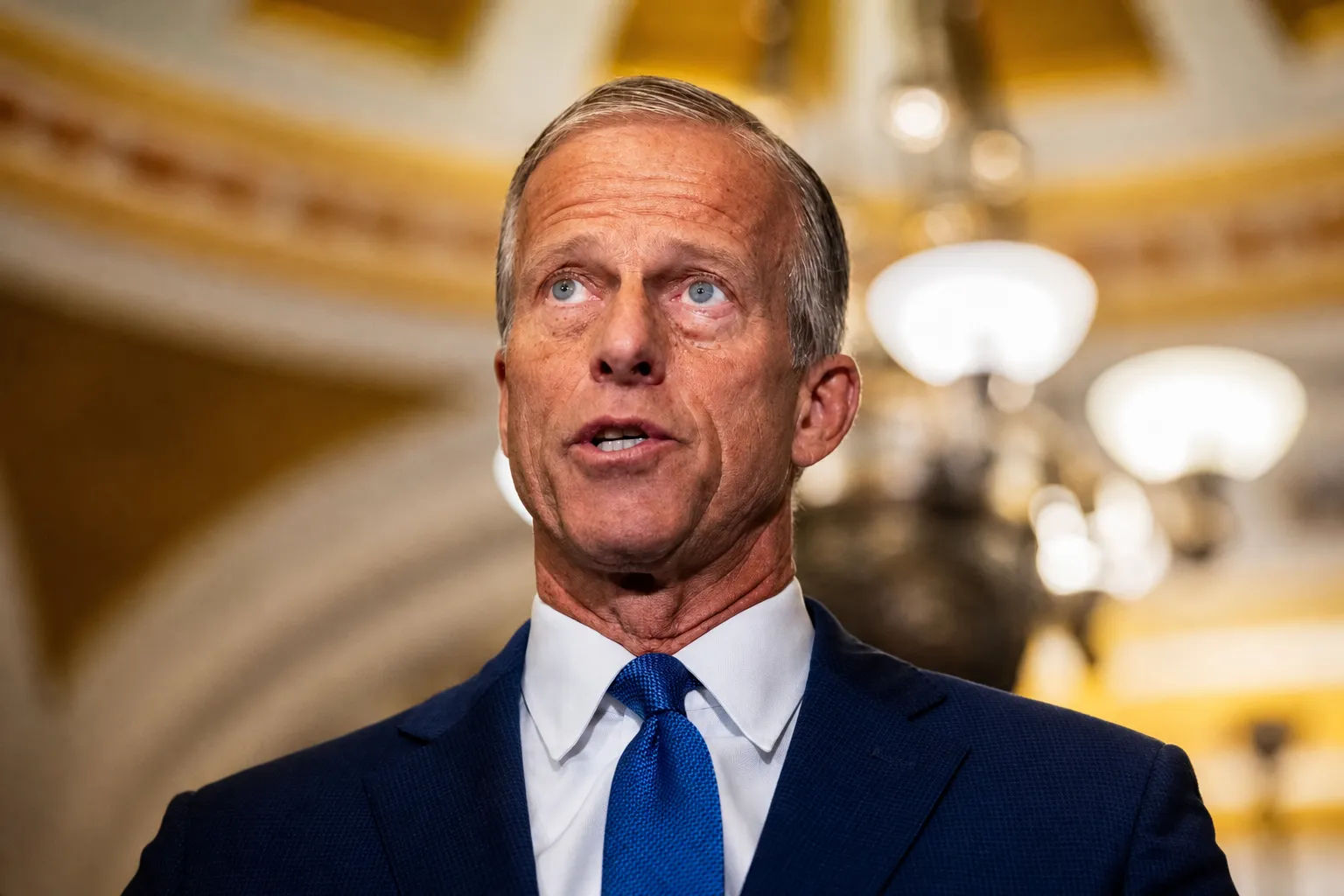
Yet Senate Republican leadership appears split on whether to advance the bill at all. Senate Majority Leader John Thune told reporters there is “a lot of opposition” to the proposal among his colleagues, particularly from senators representing northern states where permanent daylight saving time would result in much darker winter mornings and children waiting for school buses in the dark for extended periods.
The Arkansas Republican Senator Tom Cotton has emerged as one of the bill’s most forceful opponents. He has vowed to block any effort to fast-track the legislation through unanimous consent, a procedural move that would require all 100 senators to agree to expedited passage. Cotton previously derailed similar attempts in 2025, warning that permanent daylight saving time could create dangerous situations for children commuting to school before dawn and for workers in northern climates where the sun might not rise until after 9 a.m. During winter months.
South Dakota Republican Senator Mike Rounds expressed similar concerns, noting that permanent daylight saving time would mean children in his state going to school in the dark for extended periods. New Hampshire Democratic Senator Jeanne Shaheen acknowledged she has mixed feelings about the proposal, saying while she understands Americans’ frustration with changing clocks twice yearly, she worries about the impact on children waiting for school buses in darkness.
The opposition is not strictly partisan. A Capitol Hill aide noted that senators from states experiencing particularly dark winter mornings appear more likely to have concerns, suggesting the divide is primarily geographic rather than political.
Florida Republican Senator Rick Scott, the Senate sponsor of the legislation, has been actively pushing for passage. He indicated he has been in conversations with the White House and fellow Republican senators to build support, saying he is optimistic the bill will pass. Louisiana Republican Senator John Kennedy also agreed to support the measure after President Trump personally called to request his backing, though Kennedy cautioned it will be “a dog fight” in the Senate, noting the bill would need 60 votes to overcome a filibuster and advance.
Democratic Senator Patty Murray of Washington has called on Thune to bring the bill to a vote as soon as possible, arguing the nation is “well past ready” to end the twice-yearly clock change. Murray, a longtime proponent, noted that her home state experiences winter sunsets before 4 p.m. And has repeatedly pushed for permanent daylight saving time.
Senate Majority Leader Thune, while previously opposing similar efforts, has not ruled out scheduling a floor vote. He suggested the House bill’s provision allowing states to opt out and maintain permanent standard time addresses his primary concerns. Under the legislation, states can choose to remain on standard time if they establish permanent standard time before the federal law takes effect. Hawaii and most of Arizona currently observe standard time year-round.
The bill’s opponents point to historical precedent. The United States experimented with year-round daylight saving time in 1974 during an energy crisis, but the initiative proved unpopular and was repealed less than a year later when Americans experienced extended periods of darkness in winter mornings. Many senators cite this failed experiment as a cautionary tale about unintended consequences.
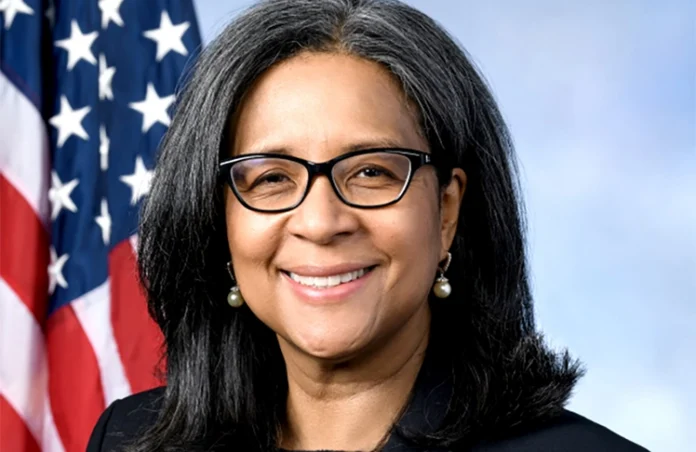
Supporters argue the political landscape has shifted since then. They cite public polling showing that majorities of Americans prefer permanent daylight saving time to maintain more evening daylight. House sponsors emphasize potential benefits including improved public safety, reduced traffic accidents, lower crime, and increased outdoor recreation and economic activity.
The House Energy and Commerce Committee voted 48-1 in favor of the measure before it reached the full chamber for a vote. Representatives argued that Americans have grown tired of the biannual ritual and that the legislation represents a commonsense reform backed by constituents across the country.
However, the Senate’s hesitation means the bill may languish without a floor vote despite its House success. GOP leaders appear reluctant to dedicate valuable floor time to a measure that might not overcome the 60-vote threshold needed to advance, particularly when at least one prominent Republican has vowed to filibuster or block expedited consideration. The contrast between the House’s decisive action and the Senate’s uncertainty suggests that even with presidential backing, the fate of making daylight saving time permanent remains highly unclear.