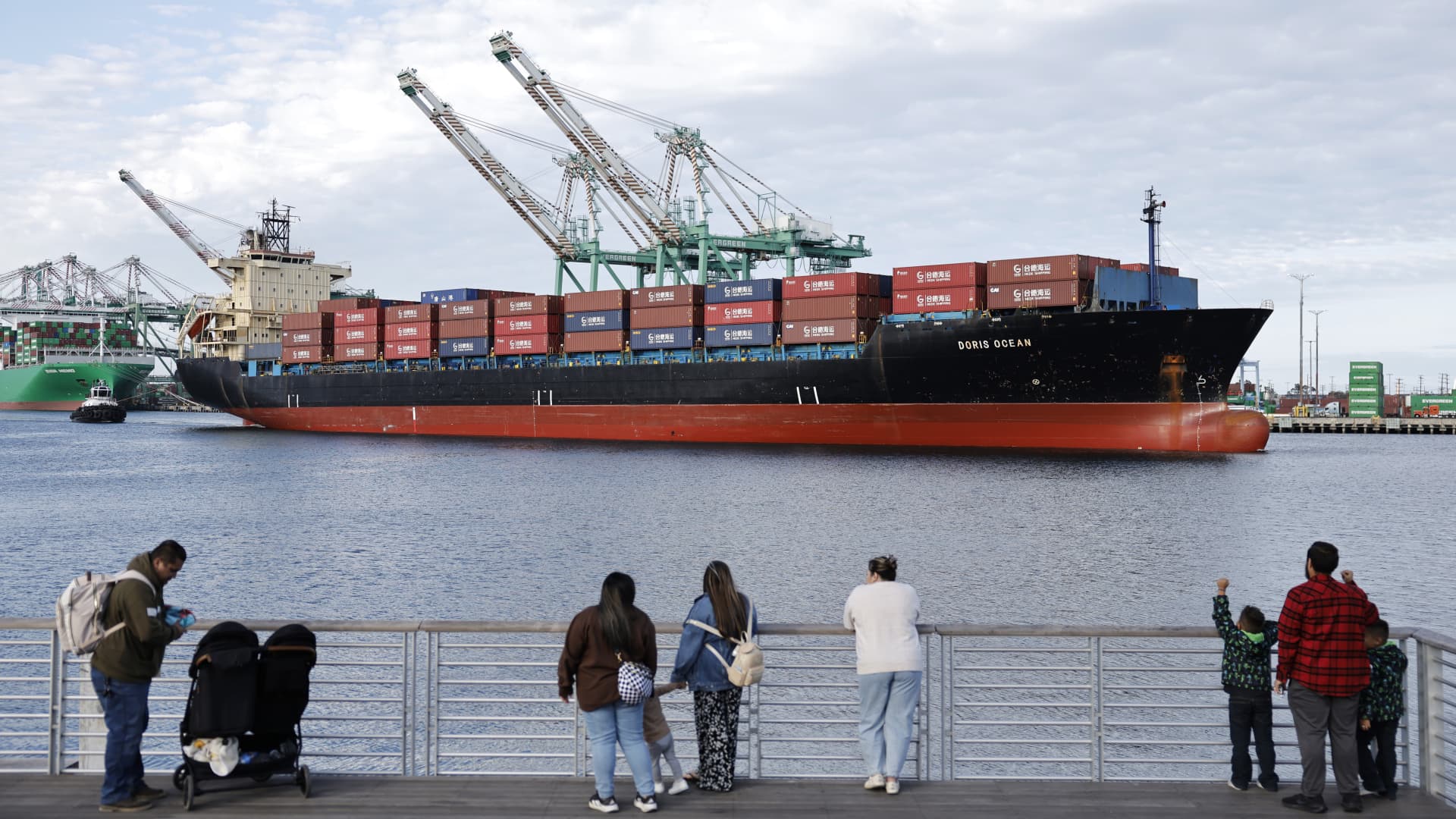
President Donald Trump’s administration imposed sweeping new tariffs of 10% to 12.5% on imports from 60 trading partners on Friday, citing the countries’ alleged failure to adequately enforce bans on goods made with forced labor. The move drew immediate and heated protests from major economies around the world, with officials questioning both the justification for the levies and their practical impact on global commerce.
The tariffs took effect at 12:01 a.m. Friday, replacing a temporary 10% global tariff that had been imposed after the Supreme Court struck down the Trump administration’s previous tariff regime in February. Under the new structure, most major trading partners face the higher 12.5% rate, while countries including Mexico, Canada, the United Kingdom, and India face a 10% duty based on having some forced labor prohibitions already in place.
Australia bore the brunt of immediate criticism from political leaders. Deputy Prime Minister Richard Marles told reporters that the tariff increase “makes no sense,” pointing out that Australia has “some of the strongest laws in the world” to combat goods made with forced labor. The Australian government formally objected to the tariffs through its embassy in Washington, claiming there was “no credible evidentiary basis” for imposing them on Australian goods, which include beef, gold, and copper.
Trade Minister Don Farrell was equally emphatic, stating the tariffs were “unjustified, inconsistent with our free trade agreement, and should be removed.” He emphasized that Australia’s measures to combat forced labor and modern slavery rank among the strongest globally and are recognized as such by the United States itself.
Japan also registered protests, noting that it had been reassured by the Trump administration that no additional tariffs would be imposed beyond an earlier agreement on a 10% import duty. Chief Cabinet Secretary Minoru Kihara told reporters that Japan’s understanding had been that both sides remained committed to that arrangement.
The European Union’s response was more measured. A European Commission spokesperson noted that the outcome was “in line with the US tariff commitments” agreed under a prior EU-US deal, though the statement added that the agreement created “positive momentum” to explore further tariff exemptions. EU foreign policy chief Kaja Kallas questioned the logic of the move, noting that “if you compare our labor laws to the ones of the United States, we have paid vacations, we have very good conditions, labor conditions for our employees, so it’s not really grounded.”
The Trump administration framed the tariffs as part of what it called “the most sweeping international labor rights action the United States has ever taken.” A senior official argued that countries failing to enforce forced labor bans create an unfair competitive advantage, forcing American workers to compete on an unlevel playing field. U.S. Trade Representative Jamieson Greer declared that decades of moral suasion have not solved the forced labor problem and that trading partners must adopt the type of enforcement mechanisms the United States already has in place.
However, critics and analysts questioned both the evidence behind the tariffs and the administration’s true motivations. Some observers noted that the investigation underpinning the tariffs did not provide meaningful evidence to support allegations of forced labor. Legal and trade experts pointed out that the forced labor investigation was conducted on an unusually compressed timeline for such a complex issue and is likely to face significant legal challenges.
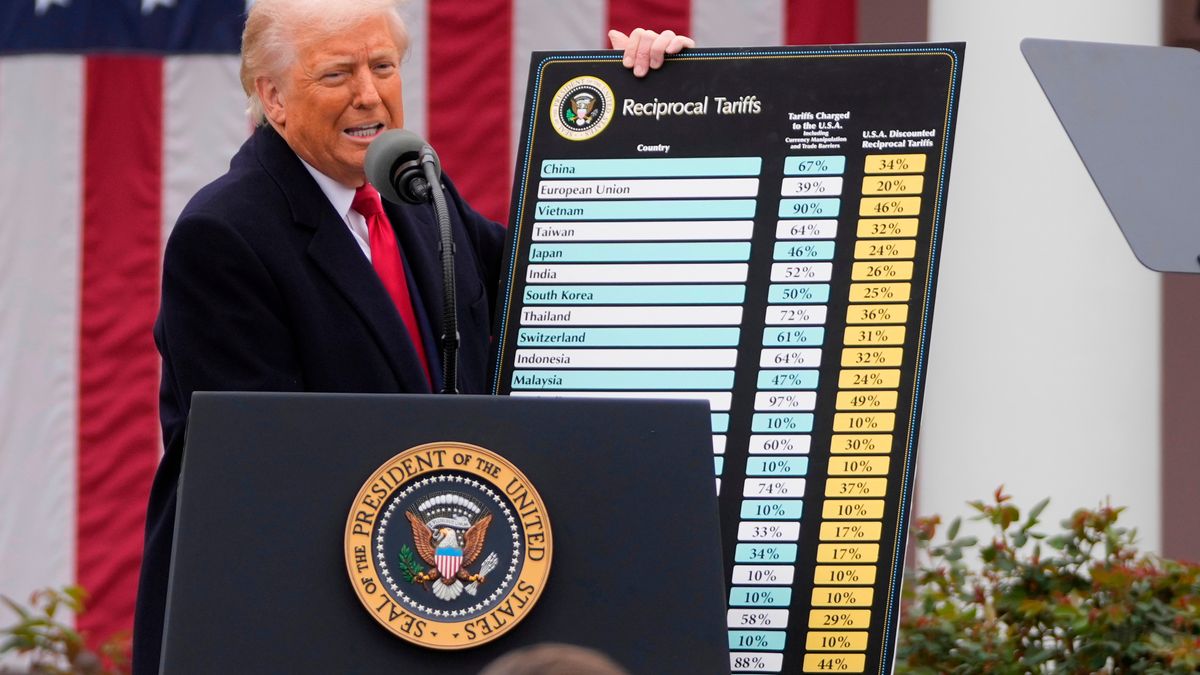
The tariffs cover 60 trading partners accounting for approximately 99% of U.S. Imports. China, Vietnam, and other major exporters face the full 12.5% rate, while countries and blocs including the EU, Japan, Switzerland, and South Korea face rates that, combined with existing tariffs, equal 10% or 12.5% to comply with prior trade agreements.
For retailers and importers, the move creates fresh uncertainty after months of tariff turbulence. Companies that had adjusted supply chains and sourcing strategies now face new cost pressures and must reassess pricing decisions. Many retailers have already indicated they will pass increased costs on to consumers. The National Retail Federation has estimated that tariffs could reduce American consumers’ spending power by billions of dollars annually.
Some supply chain experts and trade analysts suggested that the forced labor justification may serve a broader purpose. One think tank noted that the investigation represents an attempt to establish a legally defensible foundation for broad-based tariffs after the Supreme Court rejected the administration’s use of emergency economic powers. The strategy allows the administration to preserve a signature economic policy through a different legal pathway.
The tariffs exempt certain products, including oil, gas, and fertilizer, as well as goods that qualify for duty-free status under the U.S.-Mexico-Canada Agreement. Goods already loaded on vessels before Friday and entered into the U.S. Before July 28 are also exempt.
Trading partners signaled they would continue negotiating with the Trump administration rather than pursuing immediate retaliation, though several made clear they intended to lobby for tariff reductions or removal. The administration has indicated that more investigations into other trade practices remain ongoing and could result in additional tariffs before the midterm elections in November.