

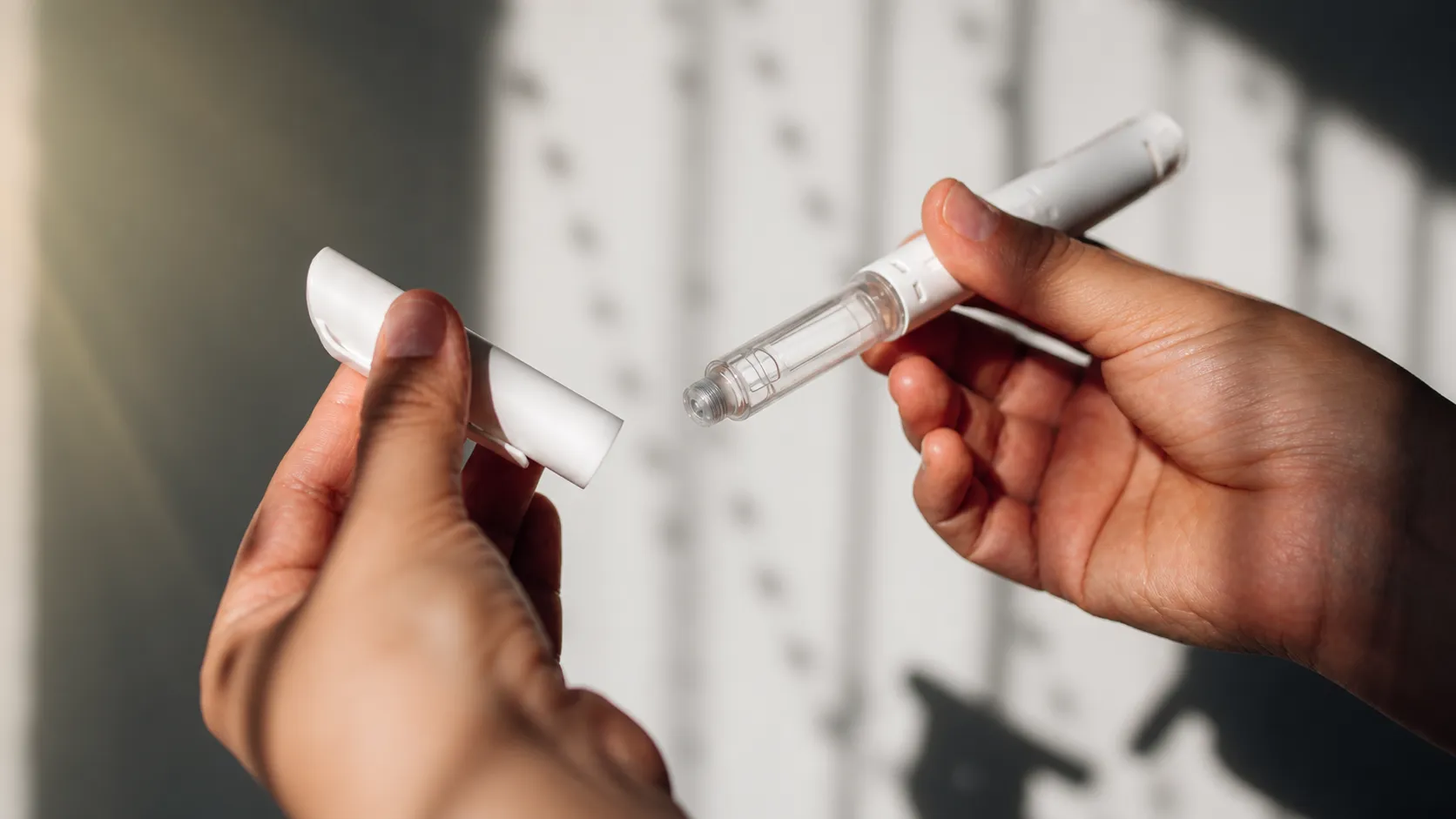
People using GLP-1 medications for weight loss may think microdosing offers a slower, more controlled way to lose pounds. However, medical experts are warning against the practice.
GLP-1 drugs such as Wegovy, Zepbound and Saxenda are designed to be started at a low dose and increased gradually under medical supervision. For example, FDA-approved Wegovy injection begins at 0.25 mg once weekly for four weeks before stepping up over time, and Zepbound starts at 2.5 mg once weekly with planned dose increases after at least four weeks. Those lower amounts are part of a clinician-guided titration schedule, not an open-ended strategy for self-directed microdosing.
The trend has gained momentum online, where influencers have been sharing why they take much smaller amounts of the drugs and what they believe the benefits are.
In many cases, that involves using the medication in ways it was not designed for, such as avoiding the manufacturer’s applicator in order to extract a reduced dose manually.
Some users reportedly adjust pre-filled injector pens by counting the audible clicks to estimate how much medication they are taking.
Others go further by opening single-dose pens and moving the contents into separate vials, allowing them to measure out smaller quantities with a syringe and make the prescription last longer.
Another route some people take is turning to compounding pharmacies to prepare custom microdoses.
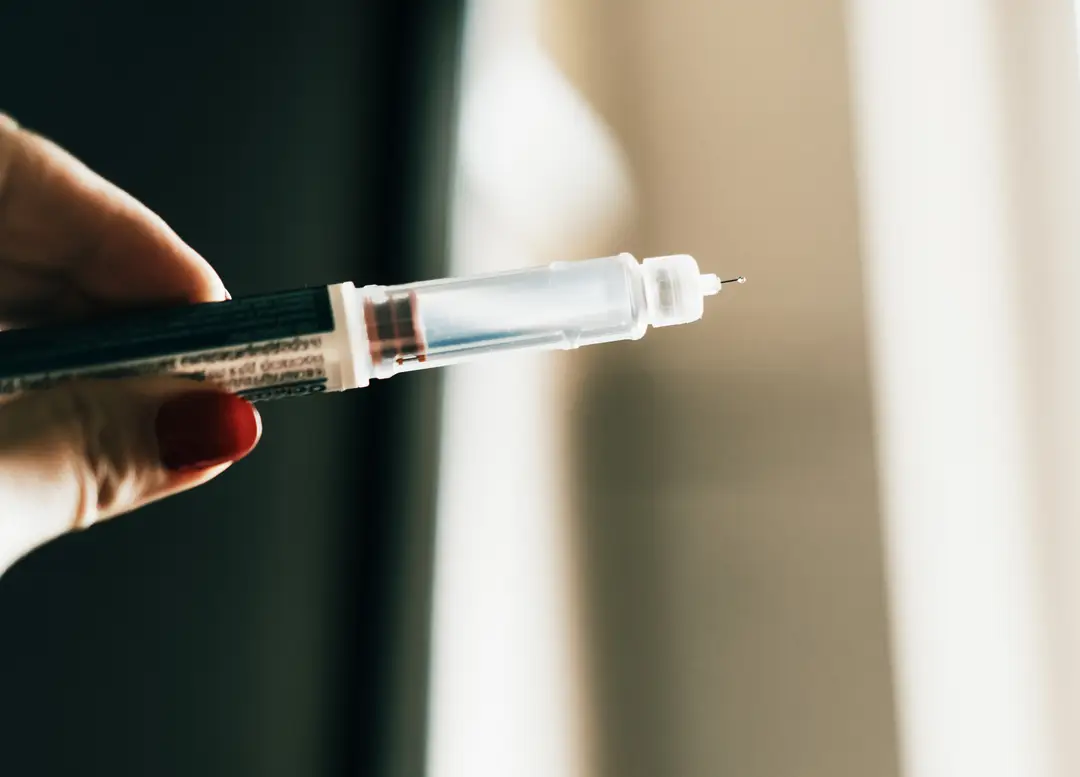
Doctors and pharmacists say this approach is not recommended, and it is also not something approved by the FDA.
The FDA has warned that compounded GLP-1 products pose added risks because they are not reviewed by the agency for safety, effectiveness or quality before they are marketed, and it has specifically cited dosing errors, overdose-related adverse events and concerns about unapproved salt forms in compounded semaglutide products. The agency has also said patients and clinicians should be vigilant about how compounded semaglutide and tirzepatide are measured and administered.
“As a pharmacist, I’ve seen social media become a major source of health information for many patients,” Sue Ojageer, a pharmacist and founder of PharmaSue told US News. “While it has increased awareness of GLP-1 medications, it has also made it easier for personal experiences and anecdotal advice to spread quickly, often without appropriate medical context.”
Specialists warn that following this kind of advice could even make treatment less effective.
According to the outlet, dropping below standard therapeutic thresholds can ‘desensitize receptors’ and may ‘reduce overall treatment efficacy and disrupt long-term metabolic health’.
Although some medications are intentionally introduced at lower levels so doctors can monitor side effects and tolerance before increasing the amount, experts say that is very different from patients altering doses on their own without medical guidance.
“The titration schedules included in FDA-approved prescribing information are supported by clinical trials and designed to gradually improve tolerability while achieving therapeutic benefit,” Ojageer explained. “The social media microdosing trend, by comparison, is generally based on anecdotal reports rather than evidence from clinical studies.”
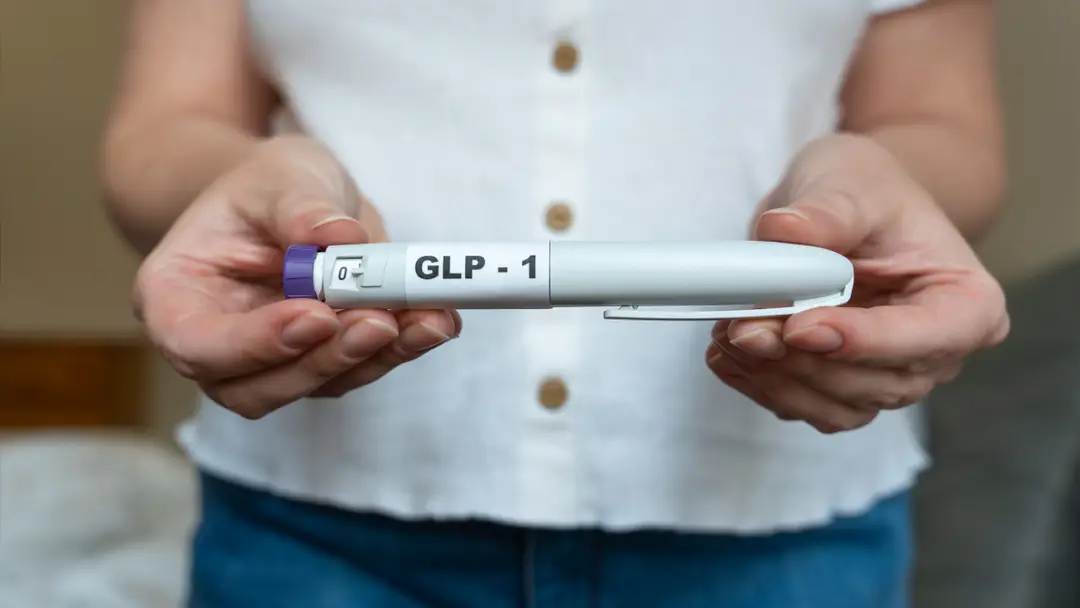
Katy Williams, MD, an MU Health Care family medicine doctor, also warned that compounding pharmacies can introduce additional concerns.
“We cannot endorse the safety or efficacy of those compounding pharmacies because they are not regulated,” Dr Williams said. “Best case scenario: It’s the same drug and same formulation. Worst case scenario: You aren’t getting what you think you are, at least not consistently.”
She said lower-dose use could potentially become an option in the future, but right now there is not enough evidence to support microdosing as a reliable strategy.
“GLP-1s are beautiful tools when used in the right way for the right patient, but not everyone is the right patient,” Dr Williams explained. “In the future, we may have more data on lower doses. But until we have that information, we shouldn’t experiment with patients outside of a research setting.”
Her advice instead is to work closely with a medical professional before making any decisions.
“Work on your lifestyle first,” she explained. “Your doctor or a weight loss specialist will absolutely be able to find places where you can make meaningful lifestyle changes that can result in 5 to 10 pounds of weight loss.”