

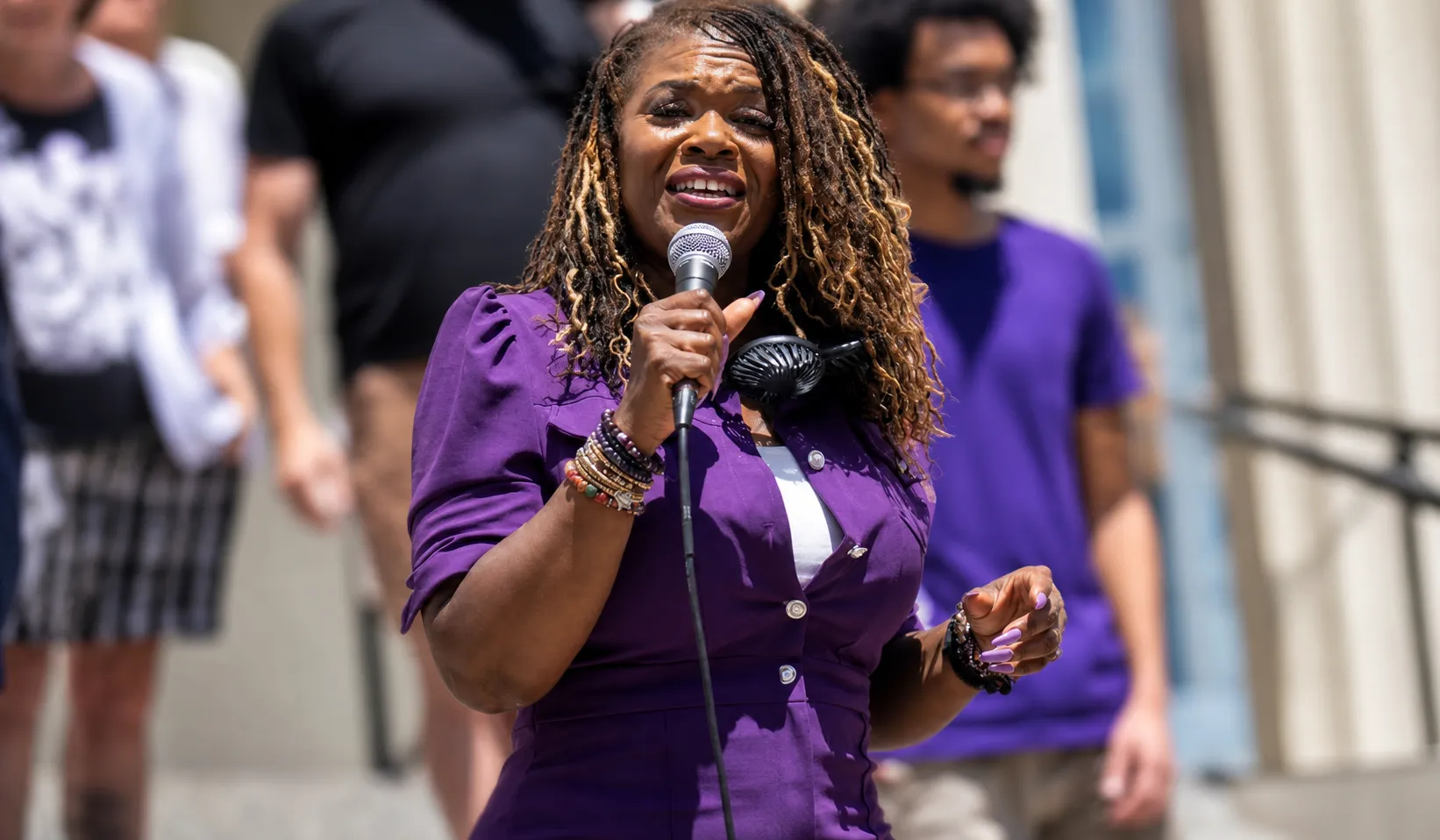
Cori Bush is mounting a comeback bid two years after losing her House seat to Wesley Bell, setting up an unusually high-profile rematch in Missouri’s 1st Congressional District that offers one of the starkest tests of the Democratic Party’s shifting ideological landscape heading into the 2026 election cycle.
Bush, a two-term progressive congresswoman and member of the so-called “Squad,” lost to Bell in 2024 by a narrow 51% to 46% margin in a race that became one of the most expensive House primaries in American history. Now, with the Democratic primary scheduled for August 4, the two are locked in an intense rematch that reflects broader national debates over the party’s direction, its relationship with Israel, and the growing influence of wealthy campaign funding.
The Missouri 1st Congressional District, centered in St. Louis and St. Louis County, is heavily Democratic. Both candidates emerged from the Ferguson protest movement that erupted after the 2014 shooting death of Michael Brown, representing sharply different philosophies about how to pursue progressive change.
Bush launched her comeback with a campaign event outside the Old Courthouse in St. Louis, where the infamous Dred Scott case over slavery was argued in 1847. She cast her political comeback as a historic correction, telling supporters the district’s voters were ready “to send back that descendant, send her back to the place that enslaved people built.” The crowd responded by chanting “send her back.”
A nurse and activist who became the first Black woman to represent Missouri in Congress, Bush built her political career on uncompromising progressive principles. She started as a Black Lives Matter organizer in Ferguson, advocating for Medicare for All, a Green New Deal, and Palestinian rights. Her opposition to U.S. Support for Israel became central to her political identity and contributed significantly to her loss two years ago.
Bell, a former St. Louis County prosecutor and Ferguson city councilman, positioned himself as a coalition-builder and a figure who can reach across the aisle. He emphasized his work standing up to the Trump administration and highlighted his focus on pocketbook issues like health care costs and the rising cost of living. Bell also argues that progressive policies need to actually deliver results for constituents, saying “progressives should actually make progress.”
The Israel question looms large over the race. In 2024, pro-Israel groups spent heavily in the primary against Bush. The American Israel Public Affairs Committee’s affiliated Super PAC, the United Democracy Project, spent $9.3 million either against Bush or for Bell, making it the second-most expensive House primary in history. Bush blamed her loss on what she called AIPAC’s spending and told supporters it “radicalized” her. She appears determined to make Bell’s support for Israel and the funding that follows a major issue in 2026, betting that public sentiment toward the Middle East conflict has shifted in her favor.
“Cori is the knockout blow to AIPAC,” said former Rep. Jamaal Bowman, a close ally of Bush who was defeated in 2024 by an AIPAC-backed challenger in his own New York primary. Other national progressive figures have mobilized to support Bush, with Bowman calling on supporters across the country to help mobilize voters during the primary campaign.
But the rematch also reflects other tensions within the Democratic base. Bell has highlighted a federal Justice Department investigation into Bush’s campaign spending, including questions about how she paid her husband as part of her security detail. Both candidates deny any wrongdoing, but the scrutiny remains a point of contention in the race.
Some longtime residents of the district have expressed conflicted feelings about the clash between two figures who rose together from the Ferguson movement. Ella Jones, the former mayor of Ferguson and the first Black person to hold that position, endorsed Bell, saying “he’s the best person for the job” and pointing to police reform work they did together. But DeRay McKesson, an activist who led organizing during the 2014 protests, supports Bush, saying “she’s not afraid to challenge power.”
Other issues have also emerged. Bush has criticized Bell’s response to a May 2025 tornado that devastated parts of St. Louis, saying he failed to secure sufficient federal disaster assistance. The tornado took 24 days to receive a federal disaster declaration, longer than other comparable disasters in the region had taken.
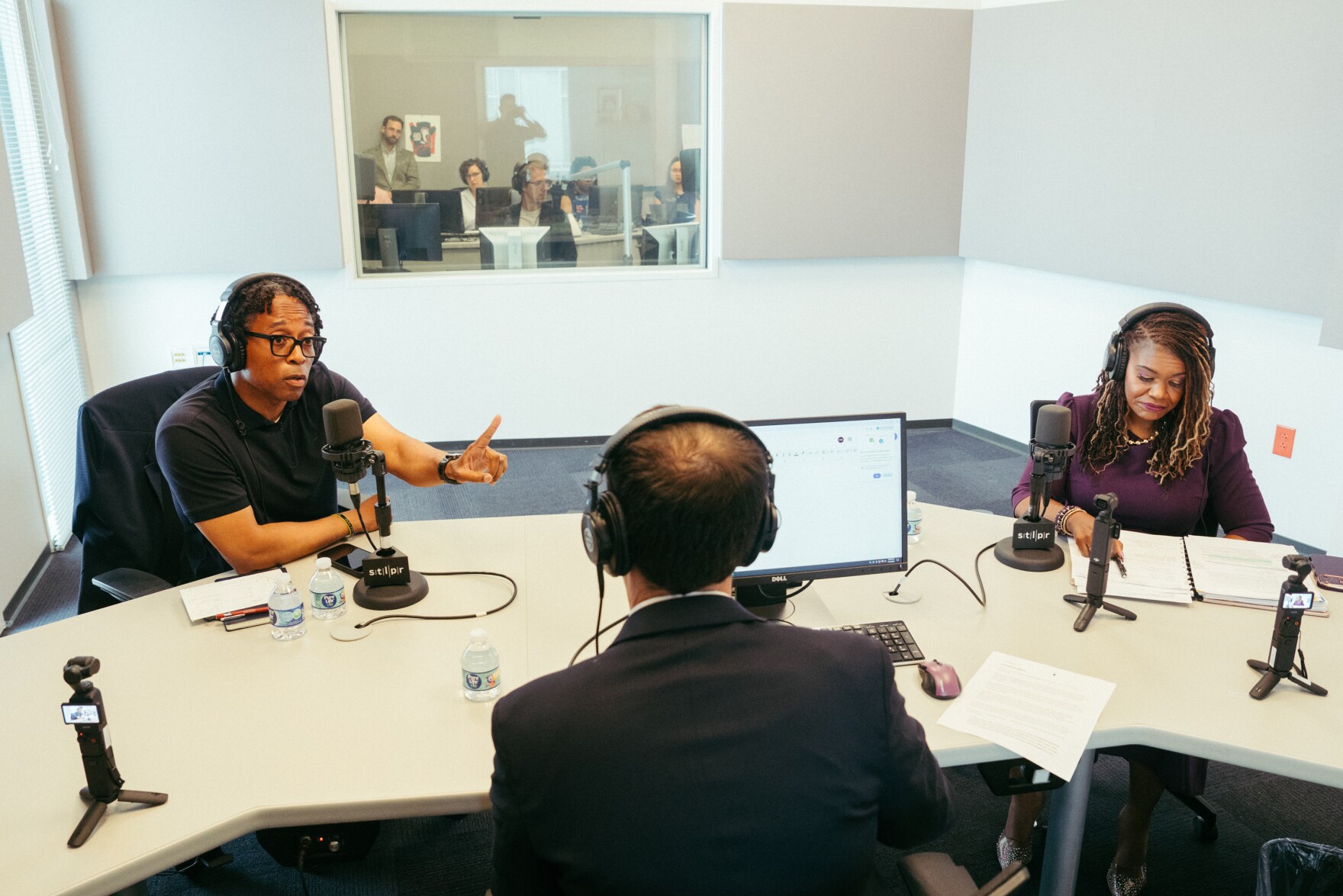
The broader context makes this primary a symbolic battle for the Democratic Party. Bush’s potential comeback would signal that voters are embracing more uncompromising progressive politics and demanding a harder line on Israel. A Bell victory would suggest that moderate Democrats can prevail even when running for re-election, and that concerns about antisemitism and Israel remain important to party voters. The primary will be followed by the November 3 general election, but in this overwhelmingly Democratic district, the Democratic primary winner is heavily favored to win the general election.