

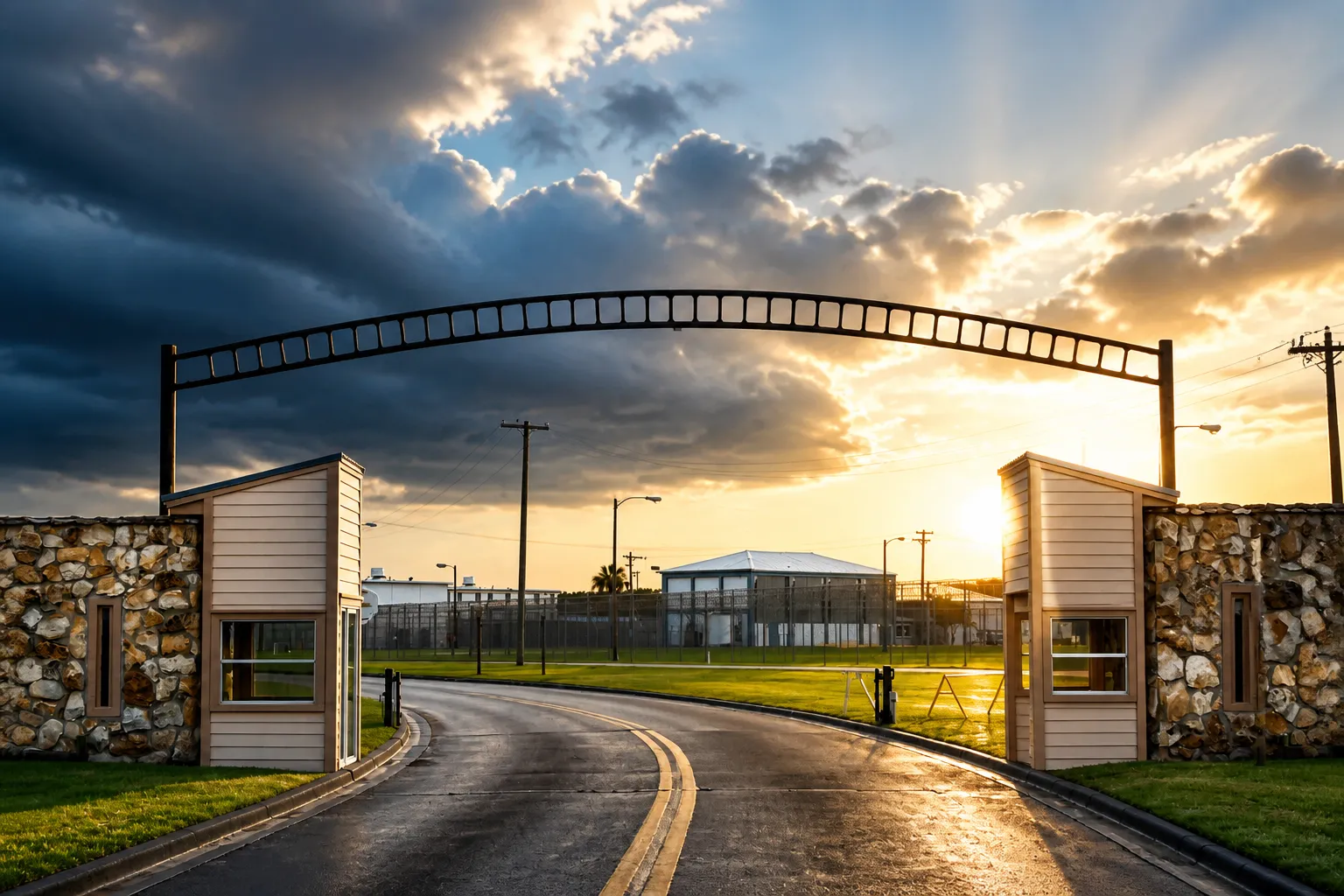
Florida is set to make history on Tuesday with an unprecedented double execution that will mark the first time in more than six decades the state has put two people to death on the same day. The executions represent a dramatic escalation of capital punishment in a state that has already become the nation’s leader in carrying out death sentences.
James Aren Duckett, 68, a former police officer convicted of the 1987 rape and murder of 11-year-old Teresa McAbee, is scheduled to die by lethal injection at noon at Florida State Prison near Starke. Six hours later, 80-year-old Dominick Anthony Occhicone will be executed, making him the second octogenarian ever executed in the United States during the modern era of capital punishment. Occhicone will also become the oldest person ever executed in Florida’s modern history, surpassing a record set just weeks earlier.
The last time Florida executed two people on the same day was May 12, 1964, when Emmett C. Blake and Sie Dawson were executed by electric chair. The 62-year gap between then and now underscores how unusual this development is, even as executions have accelerated dramatically across the country in recent years.
Occhicone was convicted in 1987 of murdering Raymond and Martha Artzner, the parents of his former girlfriend. According to court documents, after his former girlfriend refused to speak with him at her parents’ home, Occhicone cut the telephone lines and fatally shot both Raymond and Martha Artzner. A jury voted 7-5 to recommend death, though the trial judge imposed a split sentence, giving him life for Raymond Artzner’s death and a death sentence for Martha Artzner’s murder.
Duckett’s case presents a more complex situation, as he has maintained his innocence for nearly four decades on death row. He was originally scheduled to be executed on March 31, but the Florida Supreme Court issued a stay just days before the scheduled execution to allow for DNA testing of old evidence that could not be analyzed at the time of his 1988 trial. That DNA testing, completed in July, came back inconclusive, neither exonerating nor definitively linking him to the crime. Despite this ambiguity, Florida moved forward with rescheduling his execution for July 28.
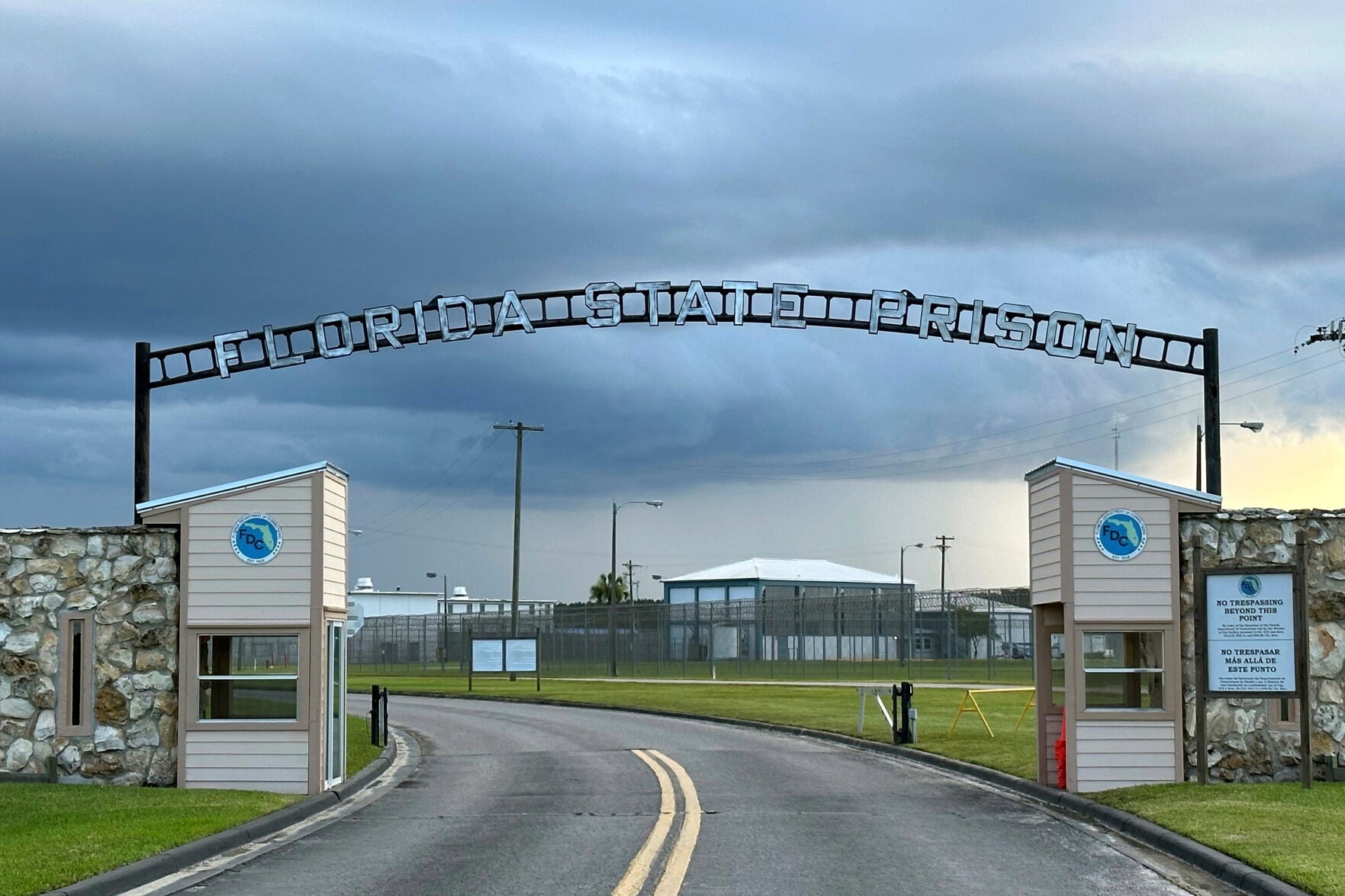
The timing of the executions does not appear random. Governor Ron DeSantis has not publicly explained why he scheduled the two executions six hours apart. Prison officials have similarly remained silent on whether the compressed timeline creates any logistical challenges for staff overseeing the procedures. Both men will die by a three-drug lethal injection protocol consisting of a sedative, a paralytic, and a drug that stops the heart.
These executions fit squarely within an extraordinary surge of capital punishment under DeSantis’s administration. In 2025 alone, DeSantis oversaw 19 executions, more in a single year than any other Florida governor since the death penalty was reinstated in the United States in 1976. The previous record was eight executions, set in both 1984 and 2014. If Tuesday’s executions proceed, that will bring the total during DeSantis’s final two years in office to 31 executions, compared to just nine during his first six years as governor.
Florida made up nearly half of all executions carried out in the United States in 2025. By the end of July this year, the state will have executed 12 people, far outpacing any other state. With another execution already scheduled for August, 2026 appears poised to set another record. The state currently has 251 inmates on death row.
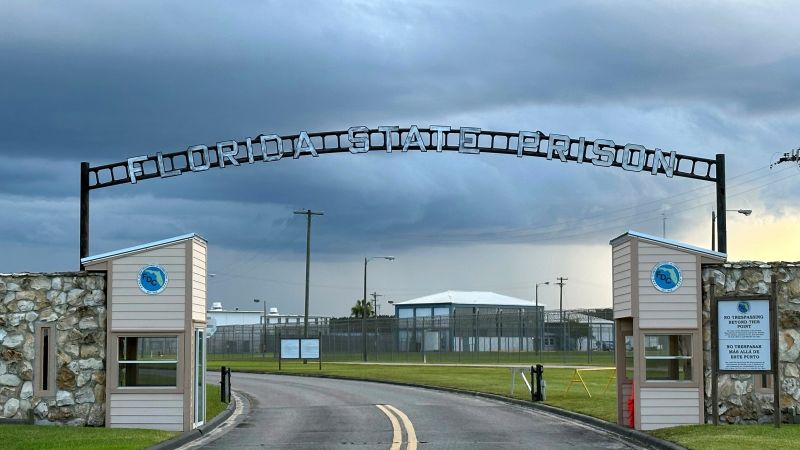
The looming double execution has prompted opposition from multiple quarters. The Florida Conference of Catholic Bishops wrote to DeSantis urging him to stay both executions, arguing that lifetime imprisonment adequately punishes these crimes while preserving human dignity. Death penalty abolition groups have organized prayer vigils outside the prison, and advocates have noted that under current Florida law, a 7-5 jury recommendation for death could no longer be imposed, making Occhicone’s sentence inconsistent with modern legal standards.
Both men have filed a joint federal lawsuit in the U.S. District Court for the Northern District of Florida challenging the same-day execution schedule. Attorneys for both Duckett and Occhicone have also asked the U.S. Supreme Court to intervene. Historically, executing multiple people in a single day was relatively common, but that changed more than half a century ago. Between 1924 and 1964, Florida carried out same-day executions on 32 separate occasions. The last time any state executed two people in a single day was in 2017, according to news reports.
DeSantis, a Republican who leaves office in January, has made aggressive enforcement of capital punishment a defining feature of his administration. Neither he nor his office has provided any public explanation for why this particular moment calls for two executions within hours of each other, leaving observers to interpret the scheduling as emblematic of a broader shift in how Florida deploys the death penalty.