

A federal labor union and two prison employees have filed a lawsuit accusing the Equal Employment Opportunity Commission of unlawfully halting their sexual harassment case as part of a sweeping order to indefinitely suspend all federal-sector class complaints before the agency.
The lawsuit, filed Tuesday by the American Federation of Government Employees along with Deanna Chelette and Alexzandria Boyd, two correctional officers at Louisiana’s Federal Correctional Complex at Pollock, claims the EEOC issued an undisclosed agencywide directive to freeze all class complaint proceedings in cases involving federal agencies.
According to the filing, EEOC leadership instructed administrative judges to stop all proceedings for federal-sector class complaints at some point before December 10, 2025. On that date, an administrative judge issued a notice stating: “Effective immediately, all case processing in the above-captioned matter must be paused until further notice. All scheduled deadlines and appearances are also cancelled.”
The case at the center of the lawsuit involves allegations of widespread sexual harassment at the federal prison complex. Chelette and Boyd claim that prison management failed to prevent and correct persistent sexual harassment by inmates against female workers, including rape threats, unwanted touching and nudity. A certified class complaint filed in 2024 was approved by an administrative judge in March 2025. The complaint included declarations from eight additional women describing similar harassment and estimated that the class would include at least 182 women.
The two women have been waiting since December without information about when their case might resume. One of their attorneys said that during the seven-month halt, the complainants “have been subjected to, or are at risk of, ongoing and escalating sexual harassment that continues to go unremedied. They have no information about when, if ever, their case will continue.”
The attorneys argue that the suspension violates the EEOC’s own regulations requiring the agency to handle federal worker complaints promptly. According to court filings, attorneys representing the plaintiffs stated the EEOC had provided “no reasoned explanation for a blanket policy that halts an entire category of discrimination cases.” The lawsuit seeks to have the suspension directive vacated.
While the exact scope of the freeze remains unclear, the attorneys said they are representing federal workers in at least five other stalled class complaints, including cases against the FBI and the Department of Defense. The American Federation of Government Employees, which represents more than 820,000 federal civilian employees, alleges the suspension harms union members by impairing their ability to be represented in EEOC proceedings.
The lawsuit also challenges the decision on procedural grounds. Attorneys argue the suspension violates the Administrative Procedure Act by engaging in arbitrary and capricious decision-making without any public announcement or rationale. They note that the directive was never published, no explanation or authority was provided for the decision, and there is no procedure for affected parties to seek exceptions or case-specific reviews. The directive carries no stated termination date, leaving thousands of federal employees with no indication of when the EEOC will permit the adjudication of their cases.
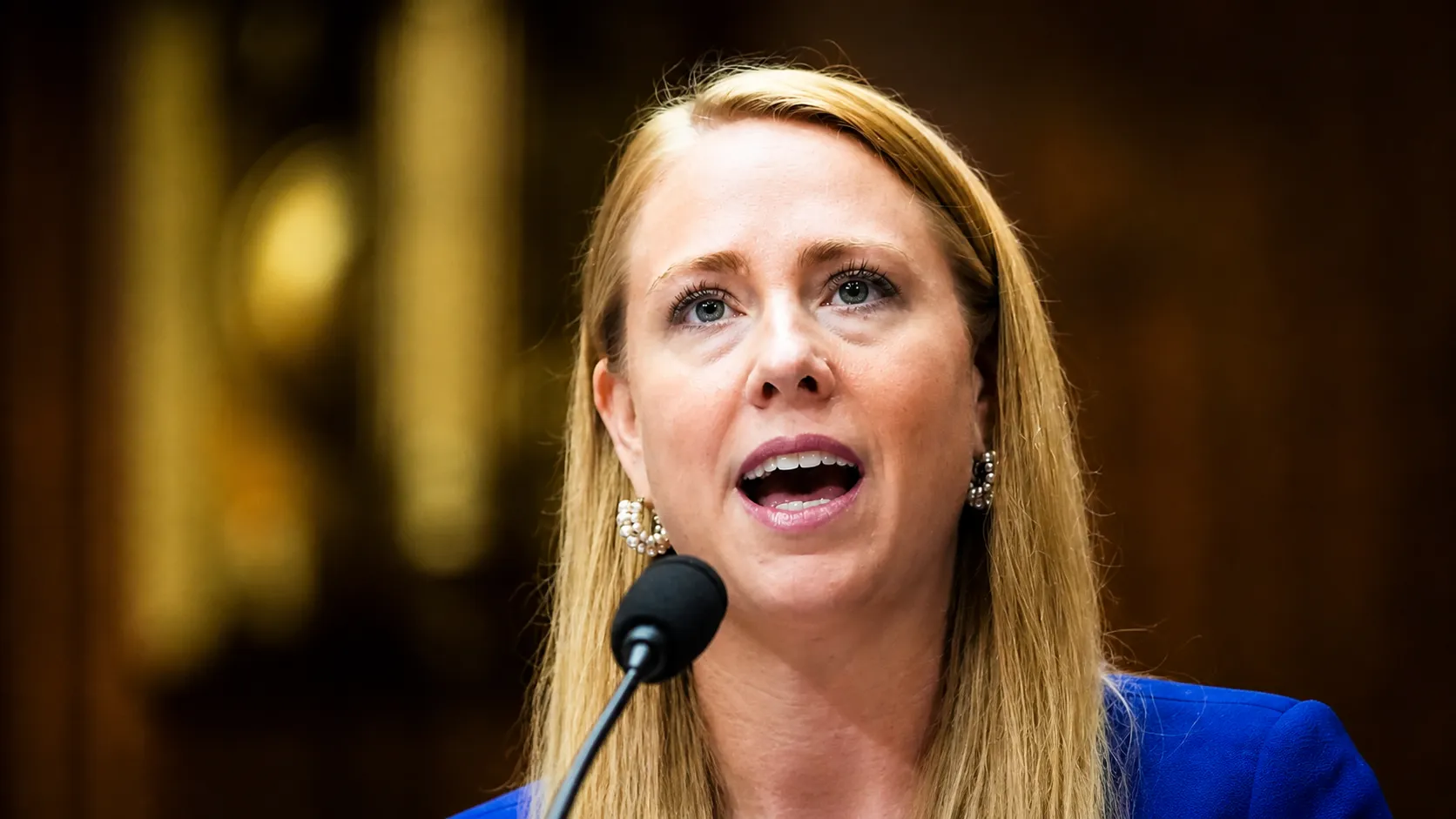
The suspension comes as the EEOC has undergone significant changes under the Trump administration. Since assuming her role as acting chair in January 2025, EEOC Chair Andrea Lucas has shifted the agency’s enforcement priorities. The commission has deprioritized disparate-impact discrimination cases, redirected resources toward investigating employer diversity and inclusion programs, proposed eliminating a key workforce demographic reporting requirement, and dropped cases on behalf of transgender workers.
The lawsuit notes that the connection between the class complaint freeze and the EEOC’s broader policy shifts is unclear. However, it underscores the growing legal challenges to the agency’s changed direction. Several lawsuits against Lucas and the EEOC have already been filed contesting the administration’s new approach to civil rights enforcement.
Attorneys representing the plaintiffs said that if the women chose to abandon the EEOC process and bring their case to federal court, they would be forced to essentially rebuild the case from scratch, including securing class status anew in a process that could take years. This would shift the burden away from the federal government and onto individual workers seeking to vindicate their rights.
The Federal Bureau of Prisons did not respond to requests for comment. The EEOC referred all questions to the Department of Justice, which declined to comment. The agency has provided no public explanation for the suspension directive or guidance about how long it might remain in effect.